
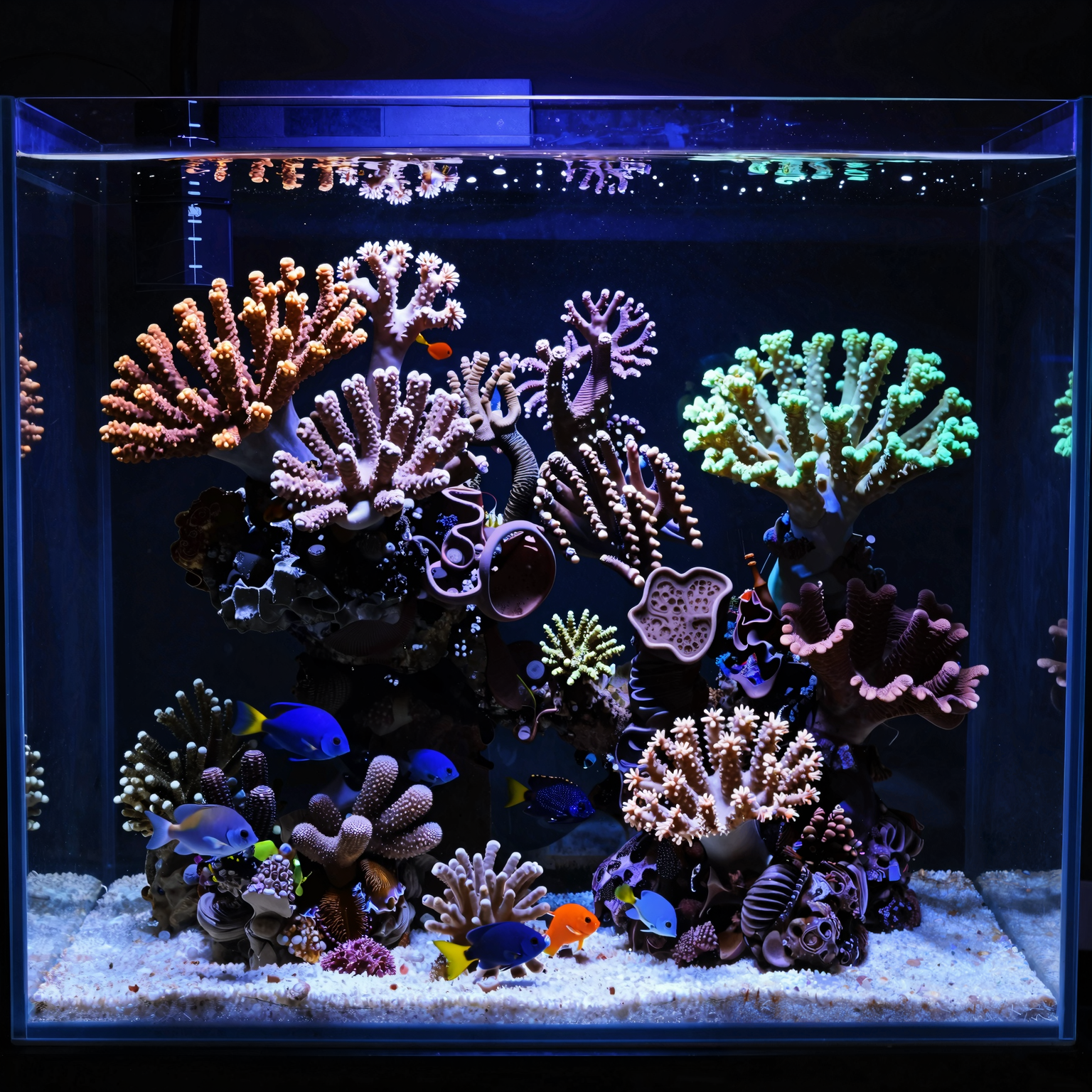
Where to Find Coral and Fish at Local Swaps
Written by Diamond Dave — August 31, 2026
A guide for planning your trip to regional marine shows.
Before you leave the house: What are these swaps?
When I first started keeping reef fish, my only source of new life was ordering through online retailers. While that works, it doesn’t give you a sense of what the local scene is actually like. Regional marine shows and swap meets are different; they are community gatherings where hobbyists bring their own livestock to trade or sell to others in the area. These events are valuable because they allow you to see exactly how an animal behaves in its current environment before it ever touches your water. You can see if a coral is truly thriving under specific lighting or if a fish is active and healthy rather than just surviving in a transport bag for three days. For those of us living in areas where shipping live animals can be risky or expensive, these local swaps are an excellent way to build connections with neighbors who share the same goals and challenges as you do.
The etiquette of swapping (and buying)
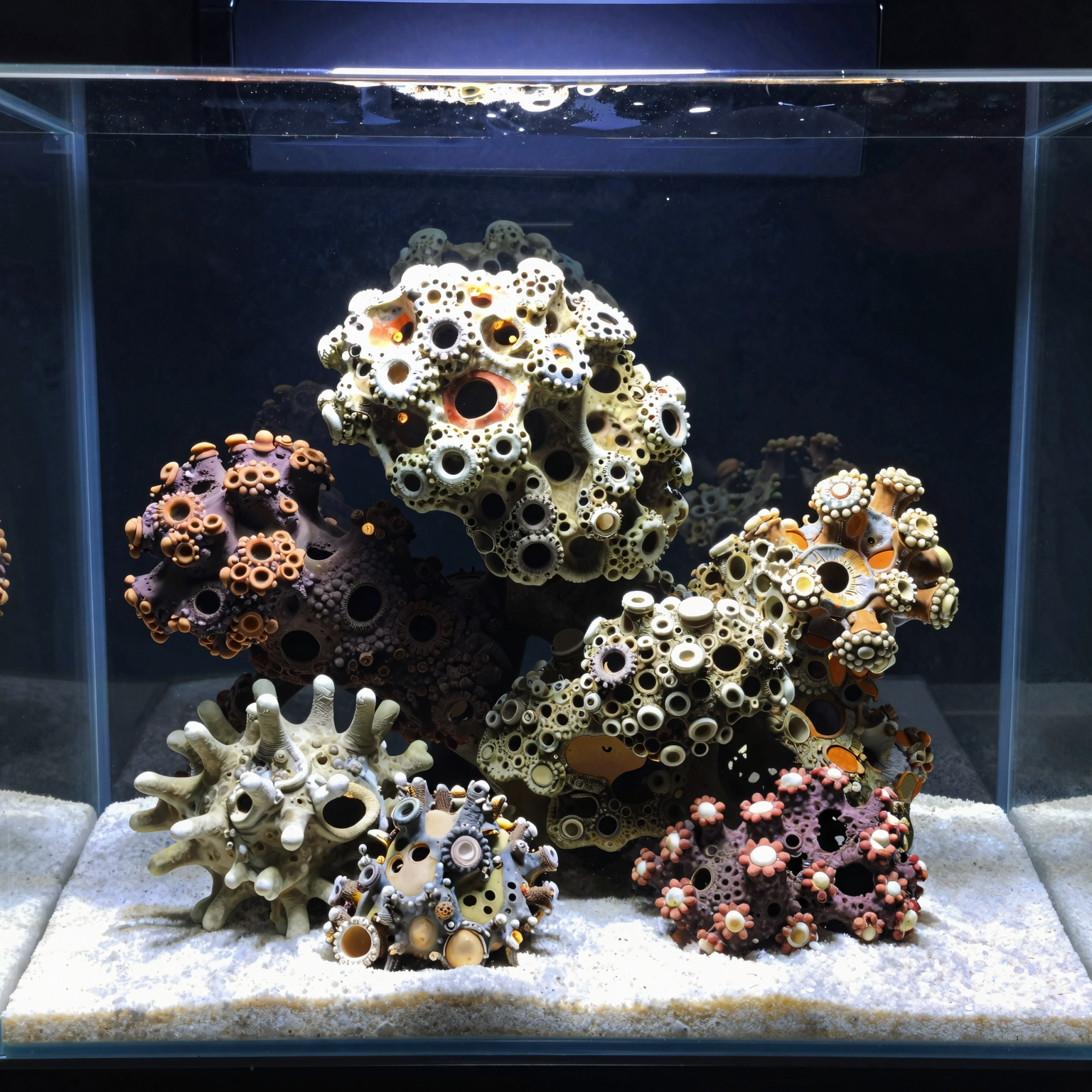
Walking into a swap is about joining a community, not just making a transaction. You should approach every interaction with respect for both the seller’s time and their livestock. When you find something you like, don’t jump straight to negotiating a lower price; instead, ask questions. Ask how long they have kept that specific coral or what kind of flow it prefers. These questions show you are an engaged hobbyist rather than just someone looking for a bargain. If you decide to buy, be honest about your experience level and your setup. It is much better to walk away from a piece because you aren’t prepared to care for it than to bring it home and let it suffer in a tank that isn’t ready. Being a good neighbor in the reef community means prioritizing the health of the animals over every other factor, including your own desire for a specific “must-have” piece.
What you need before attending a show
You shouldn’t head to a swap with just an empty pair of hands and a hope that things will go smoothly. The transition from their tank to your car is often the most stressful part of the journey for marine life. You need to have a plan for safe transport to ensure nothing dies in the parking lot or on the drive home. Depending on what you plan to get, you should have specific supplies ready:
- For Fish: Oxygenated buckets (or bags with enough oxygen) and heavy-duty transport bags.
- For Corals: Sturdy plastic containers or “plug” style carriers that keep them stable during transit.
- General Prep: A clear list of what you are looking for so you don’t get overwhelmed by the options available on the day.
Having your own dedicated gear shows the seller that you take the health of their livestock seriously, which often makes them more willing to work with you on a trade or sale.
Checking the goods: What to look for in corals and fish
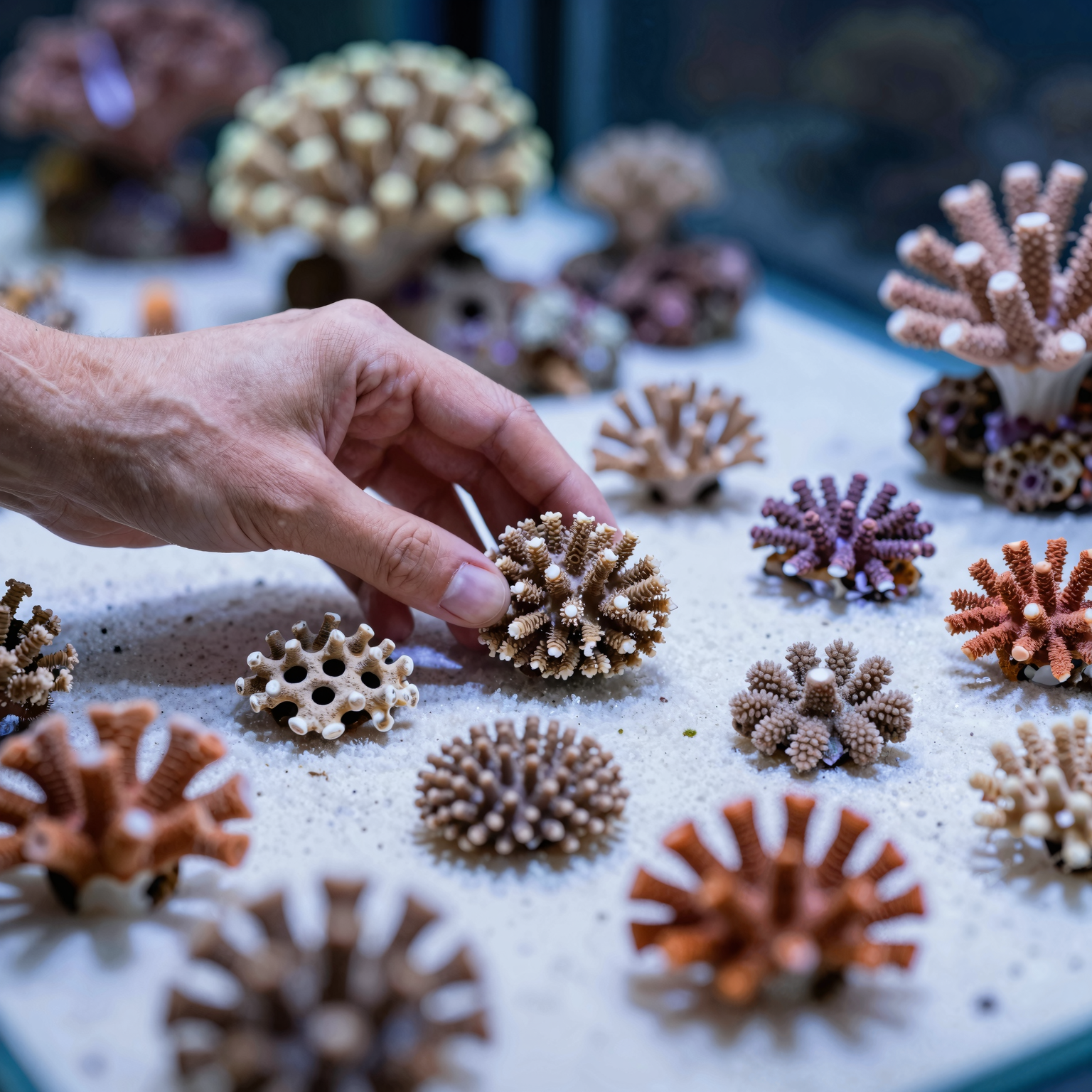
When you are standing in front of a tank at a swap, you need to be observant about what is actually happening with the animals. For corals, I always look first at tissue coverage. You want to see thick, healthy tissue covering the skeleton; if you see large patches of white bone that aren’t part of the species’ natural look, it might be struggling or suffering from algae issues. Look for vibrant colors and signs of growth rather than just “pretty” colors. For fish, watch their behavior closely for a few minutes. Are they swimming with purpose, or are they gasping at the surface? Do they seem lethargic or jumpy? You should also check for any visible parasites, like white spots or fuzzy patches on the fins. If something looks stressed in their tank, it will almost certainly be more stressed during your transport and initial acclimation process. It is better to pass on a “maybe” fish than risk a death on the way home.
The day after the show: Getting home safely
The moment you get home with new additions, the most important thing you can do is slow down. It is tempting to rush them into your main display because you just spent money and effort getting them there, but that is how many people end up with dead livestock or a sick tank. You need to provide a period of stabilization where they can adjust to your water chemistry slowly. This involves gradually changing the temperature and salinity over several hours—or even a day for larger fish. Furthermore, unless you have an established quarantine system in place, new arrivals should stay in a dedicated “holding” area or separate tank for at least a few weeks. This gives them time to recover from the stress of the swap and allows any hidden parasites to show up before they can infect your resident fish. Taking these extra steps ensures that your success at the local swap translates into long-term health in your own home.
Source: Reefs.com
Get new newsletter issues, guides, and product updates by email.