
Thinking About Peugeot Tetras? A Look at More Than Just a Small Schooler.
Written by Diamond Dave — November 8, 2026
A deeper dive into the aesthetics and care for *Hyphessobrycon peugeoti* if you like getting specific with your freshwater tanks.
The newsletter for dedicated freshwater hobbyists who want to understand the nuance of species-specific biotope care.
Quick thoughts on the little guy
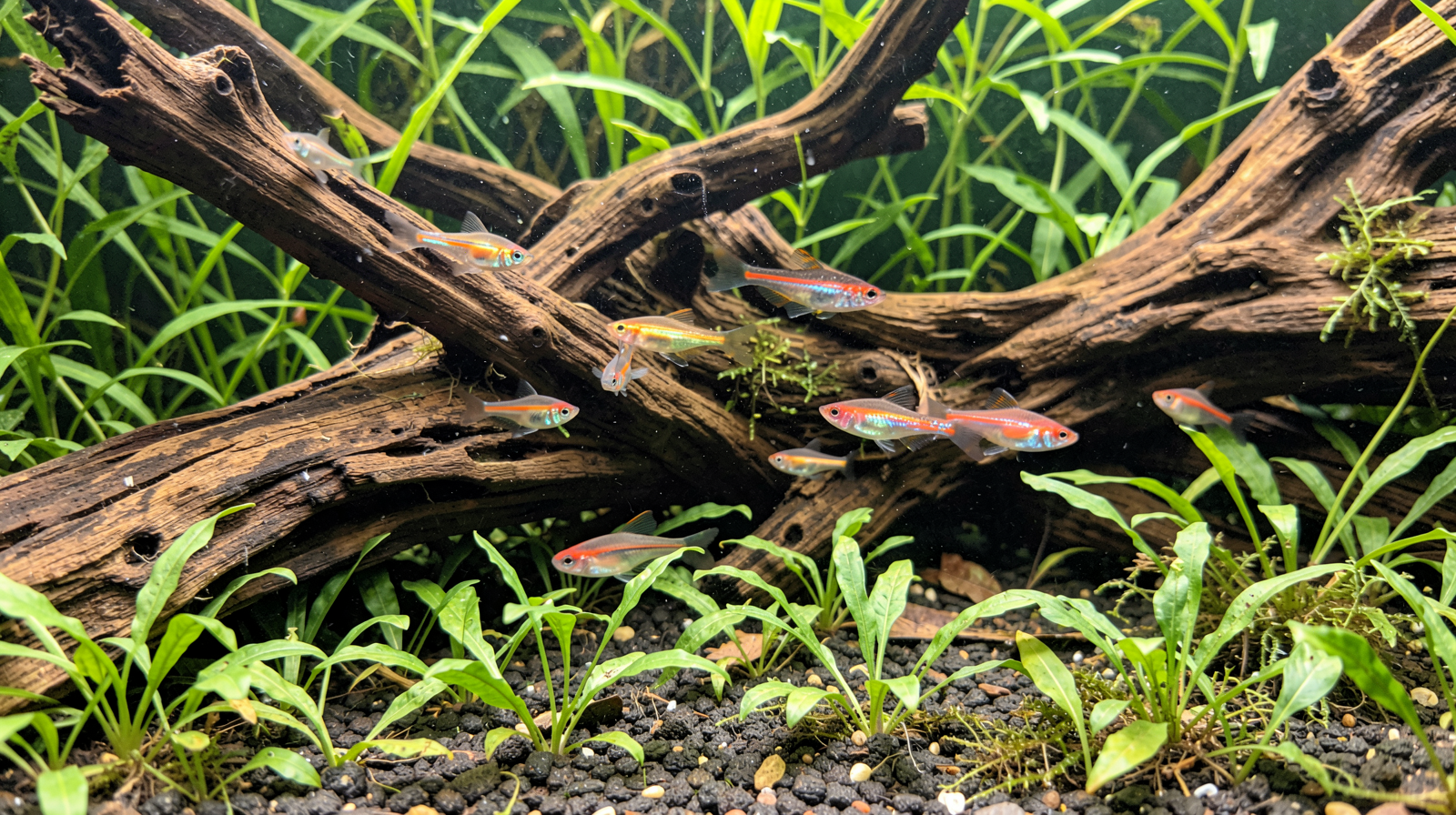
If you’ve spent any time scrolling through fish forums or looking at local shop displays, you’ve probably seen Peugeot Tetras. They are small, active, and have a bit of a unique look compared to your standard neon or cardinal tetras. I like them because they aren’t just another “set it and forget it” schooler; they have some personality. However, they aren’t exactly “beginner-proof” in the way a hardy danio might be. They require a bit more attention to water quality and social dynamics than your average community fish. If you are looking for something that will sit quietly in a small 10-gallon tank and thrive with minimal effort, these might not be your first choice. But if you have a stable setup and want a school that adds some subtle variety and movement, they can be a great addition to a freshwater community.
What makes ‘em tick? The real details.
One thing I’ve noticed in my own tanks is how much the appearance of these fish changes as they mature. When you first get them from a wholesaler or a local shop, they might look like pretty standard tetras. But give them some time, and you start to see the differences develop—especially between the males and females. The males tend to develop more prominent finnage and can show off some distinct coloring that isn’t as visible in juveniles.
It’s those kinds of details that make keeping them rewarding for someone who likes to really observe their livestock. You aren’t just looking at a mass of moving color; you’re watching individual fish grow into their adult forms. To keep them looking their best, it helps to have a mix of both sexes so they feel secure and can interact naturally within the school.
Where do they actually come from?
Understanding where these fish live in the wild is one of the most practical ways to figure out how to keep them healthy at home. Peugeot Tetras originate from the Rio Juruena region, which gives us a lot of clues about their preferences. They aren’t used to stagnant water or extreme fluctuations in temperature and pH. In their natural habitat, they deal with moving water and specific mineral balances that we have to try to mimic—or at least approximate—in our home setups.
When I’m planning out a new tank, I look at the biotope first. Because they come from these river systems, they prefer water that is well-oxygenated. If you notice your fish are gasping at the surface or looking lethargic, it’s often a sign that the water isn’t moving enough or there isn’t enough gas exchange happening in the water column.
Don’t just throw them in a big tank.
A common mistake I see folks make is thinking that “small fish” means they can be kept in small volumes of water, or conversely, that any large tank will work regardless of how you stock it. For Peugeot Tetras, success comes down to finding the right balance between school size and swimming space. They are active swimmers; if you cram too many into a cramped space, they get stressed, and stress is usually what leads to disease outbreaks.
I generally recommend keeping them in groups of at least six to eight. This allows them to feel safe enough to behave naturally. Depending on your floor plan and goals, here is a practical way to think about their requirements:
| Factor | Recommendation | Why it matters |
|---|---|---|
| Minimum Tank Size | 20 Gallons (Long) | Provides enough horizontal swimming room for active schools. |
| Schooling Group | 6 - 10 fish | Prevents social stress and keeps the school cohesive. |
| Water Flow | Moderate | Mimics their riverine origins; helps with oxygenation. |
| Substrate/Decor | Open floor plan | They need clear lines of sight to move quickly. |
Watch out for these common pitfalls
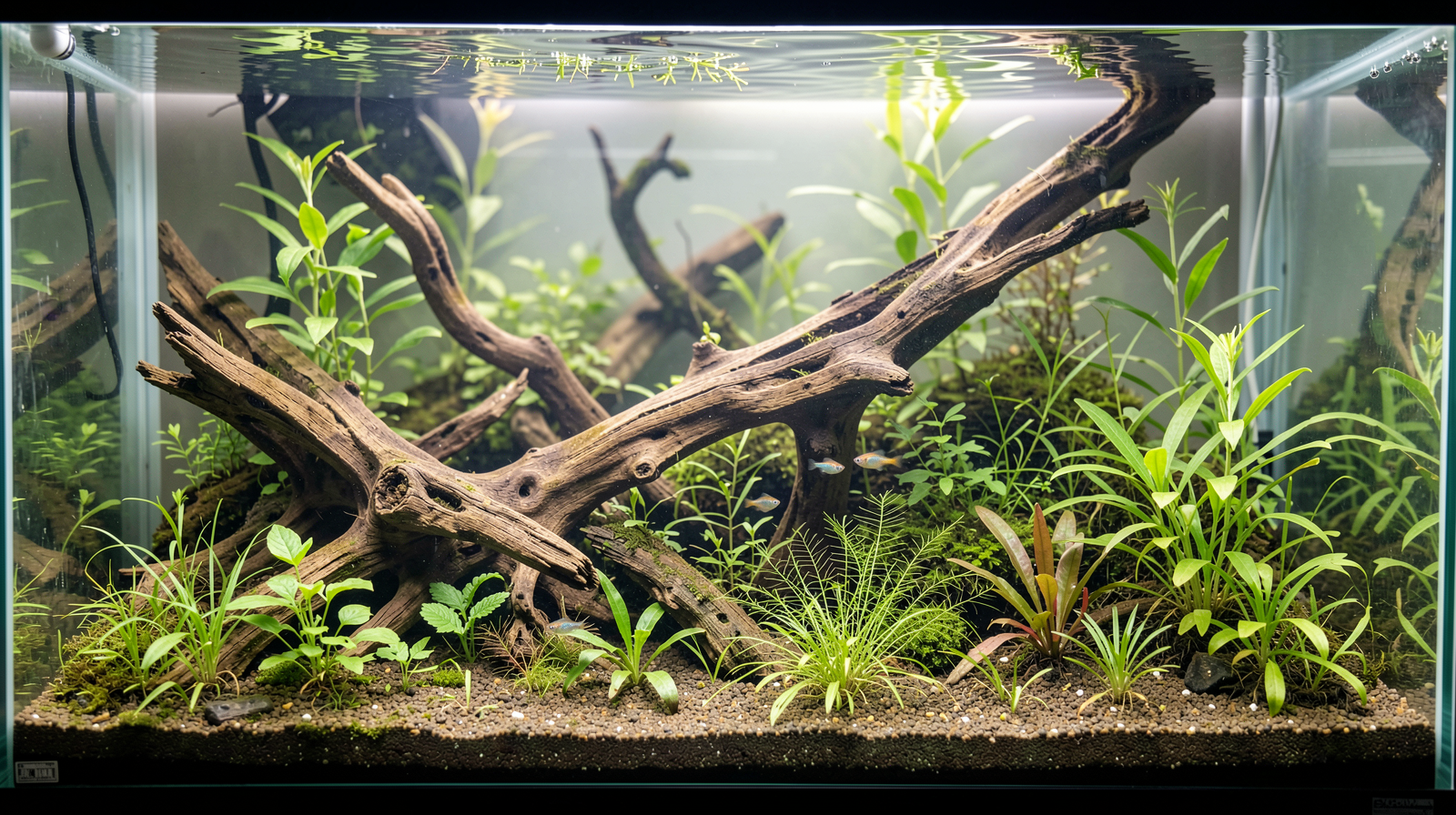
The biggest pitfall I see with these guys is trying to “over-decorate” the tank to the point where there’s no room to move. While a lot of plants and driftwood are great, if you create a maze that makes it hard for them to see their neighbors, they can become skittish or territorial. Another trap is ignoring the nitrogen cycle during the initial setup. Because these fish aren’t as rugged as some “hardy” species, any spike in ammonia or nitrite will hit them hard and fast.
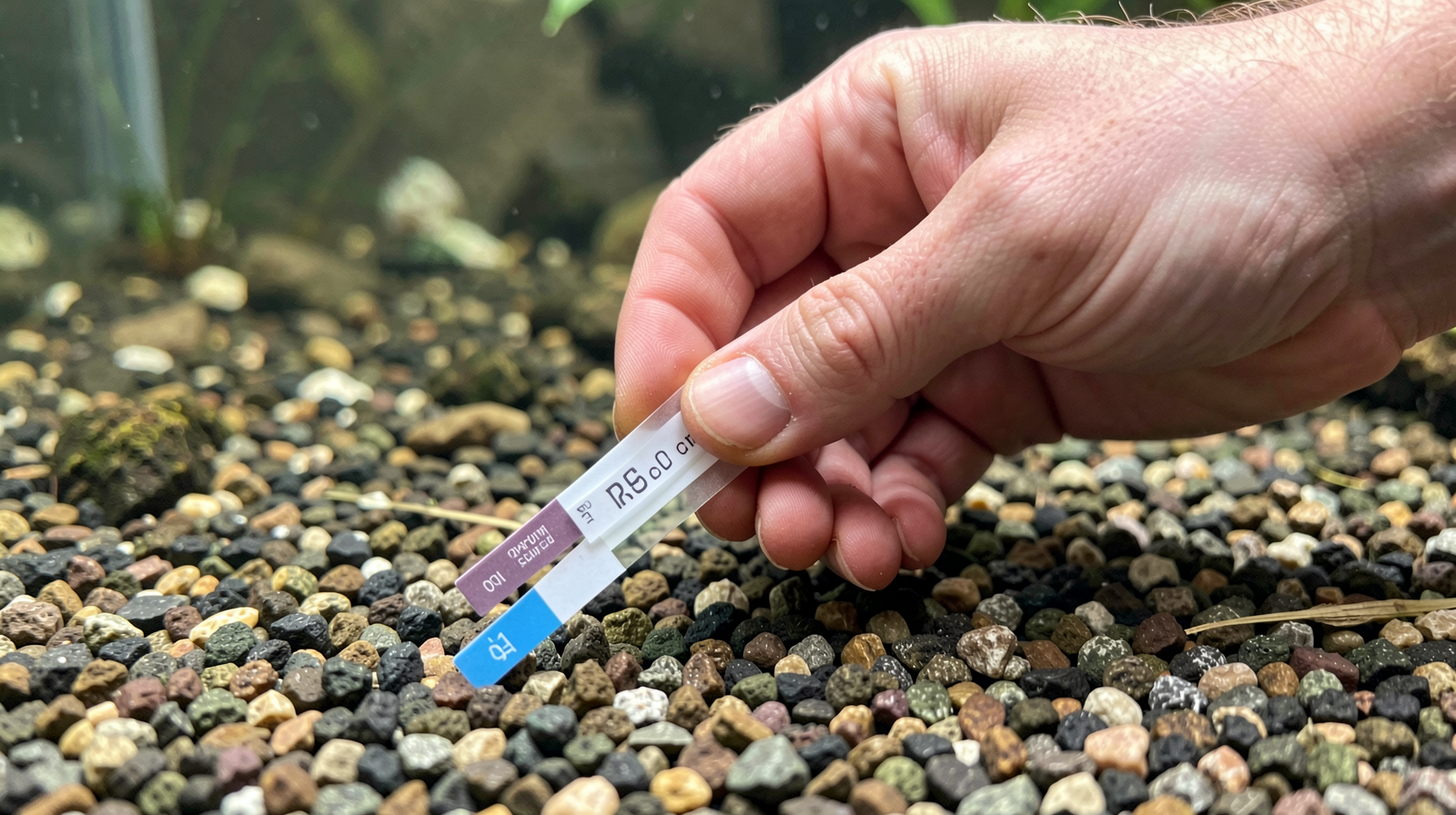
I’ve seen people try to jump from a small community tank straight into a high-tech planted setup without adjusting their water chemistry first. If you want success with Peugeot Tetras, keep your parameters stable. Don’t swing the temperature up and down wildly, and make sure you have a reliable way to test your water weekly. It’s better to be slightly conservative with your stocking numbers than to over-crowd them just because you have the extra space.
Source: Aquatic Arts
Get new newsletter issues, guides, and product updates by email.