
The Refugium: Why Every Reef Tank Needs a Little Extra Space
Written by Diamond Dave — September 12, 2026
Understanding how to use extra space in your sump or tank to keep water chemistry stable and healthy.
The newsletter for intermediate reef keepers who want maximum stability without excessive guesswork.
Quick check: Do you actually need a refugium?
I get this question a lot from folks just starting their first reef setup. They see these massive, high-tech sumps on social media and want to know if they need every single component to keep their corals happy. The honest answer is that it depends on the scale of your system. If you’re running a small nano-tank with only a few hardy fish or one or two beginner corals, adding a full refugium might be more complexity than you actually need right now. However, as soon as you move into a standard reef system where you want to keep things stable without constant manual intervention, a refugium becomes a very handy tool. Think of it as an insurance policy for your water chemistry. It’s extra space designed to handle the “messy” side of aquarium keeping—like nitrate and phosphate buildup—before those levels get high enough to stress out your livestock.
What exactly is this thing doing? The three big jobs of a refug.
In plain terms, a refugium is a section of your sump or a separate tank where you grow “good” algae and other organisms that act as a natural filter for the system. Instead of relying solely on mechanical filters or chemical media to scrub the water, you’re letting biology do the heavy lifting. There are three main reasons I include one in my designs:
- Nutrient Export: This is the big one. Specific types of algae (like hair algae or chaetomorpha) love to eat nitrates and phosphates—the waste products from fish waste and decaying organic matter.
- pH Stability: By providing a larger volume of water where life can thrive, it helps buffer your pH levels against those sudden swings that can shock your corals.
- Food Production: It creates a base for the food chain by producing oxygen and microscopic organisms that help maintain a healthy ecosystem.
By letting these processes happen in a separate area, you keep the main display tank cleaner and more stable.
How do I actually set one up without it looking messy?
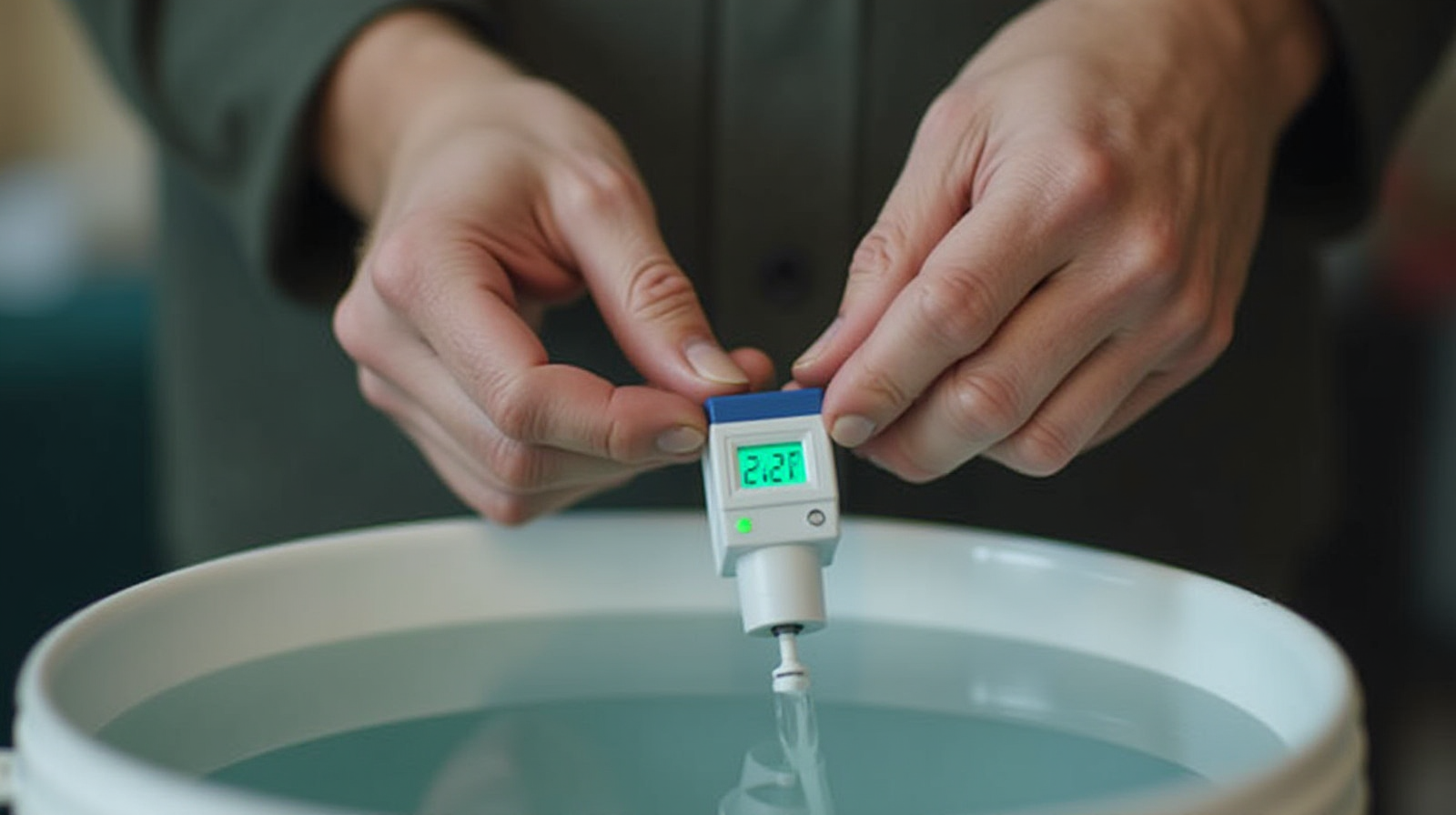
The goal is to make the refugium functional without making your plumbing look like a disaster zone. If you have room in your sump, that’s usually the best place for it. You just need to partition off a section using a simple divider or baffle. The trick is getting the water flow right; you want enough movement so that “dead zones” don’t form where gunk can settle, but not so much flow that the algae gets tossed around and won’t stay put.
For those who are worried about plumbing complexity, keep it simple. You don’t need a dozen different pumps. One small return pump dedicated to the refugium area is often enough to keep things moving. If you choose to use a separate “back tank” instead of a sump compartment, just make sure your overflow and return lines are clear and easy to reach for maintenance. I always recommend keeping the plumbing in these areas as straightforward as possible; if it’s too complicated to fix when a valve leaks, it’s probably over-engineered for a home setup.
Common rookie mistakes to avoid when starting your refugium.
One mistake I see often is people treating the refugium like an extension of their display tank in terms of lighting and flow. You don’t need high-intensity “reef” lights on your algae; you just need enough light for them to grow, which usually means a lower-wattage LED or even some basic T5s. If you blast it with too much light, the algae will grow like wildfire and become a nuisance to manage.
Another common pitfall is overfeeding. It’s tempting to think more food equals happier fish, but in a reef system, excess food just becomes waste that feeds your refugium’s algae instead of your livestock. If you find yourself constantly “trimming” back massive amounts of hair algae every week, it’s usually a sign that the system is getting too many nutrients from overfeeding or an oversized initial load of fish. Lastly, avoid overcrowding the space; give the organisms room to breathe and circulate properly so they can do their job effectively without becoming a tangled mess.
The maintenance schedule: Keeping it running smoothly year-round.
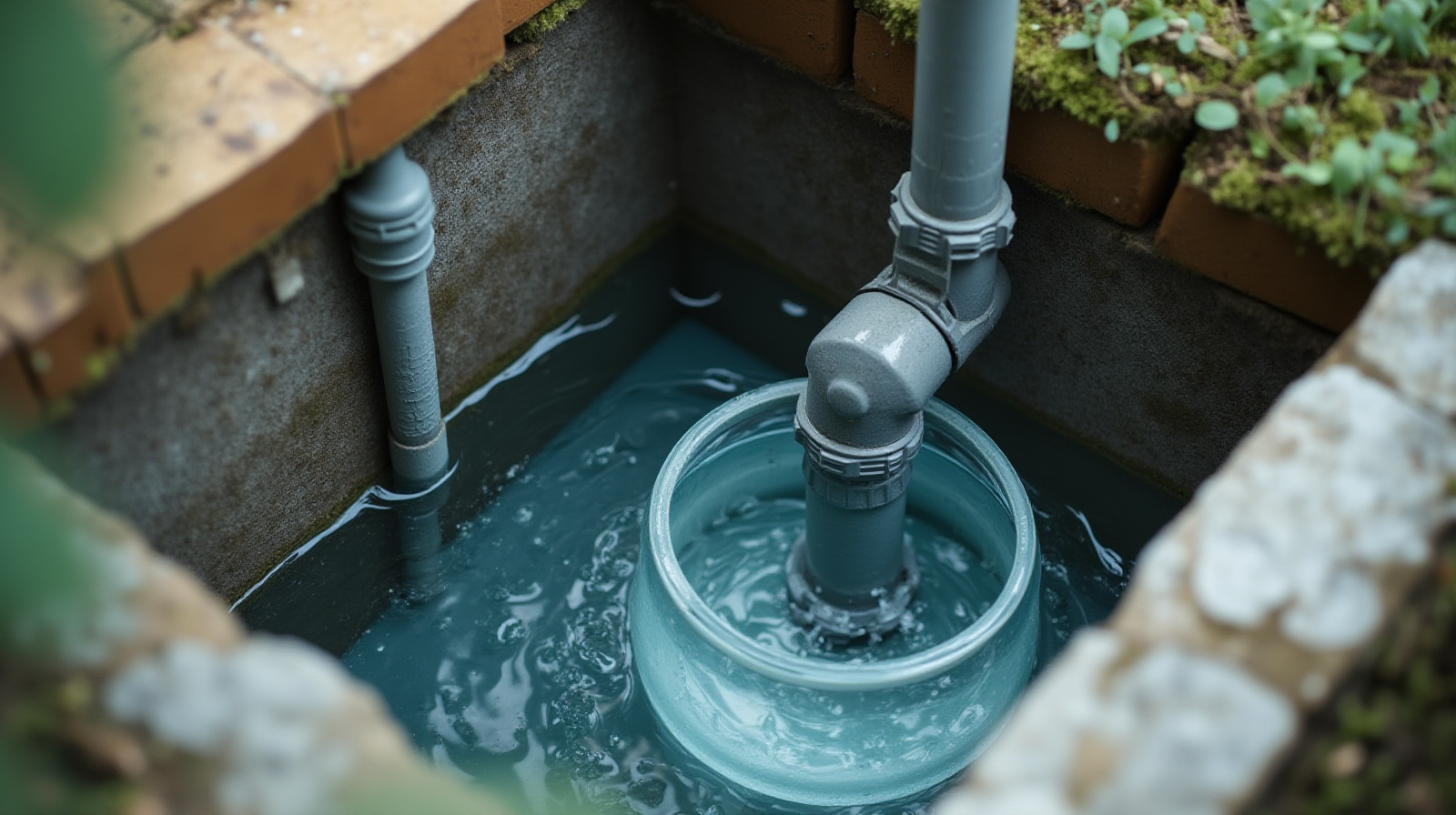
A refugium shouldn’t be high-maintenance, but it does require some attention to stay effective. You don’t need to spend hours on it every week; just think of it as periodic “gardening.” Depending on how fast your specific algae grows, you’ll likely want to trim back the growth once a month or every few weeks. This prevents it from clogging up your plumbing or becoming so thick that water can’t flow through it properly.
During your routine maintenance days, I also recommend checking the following:
- Flow Check: Ensure no debris is blocking the intake or output pipes in the refugium area.
- Growth Audit: If you see “bad” algae (like cyanobacteria) taking over, it’s a sign of too many nutrients.
- Water Testing: Use your regular test kit to monitor nitrates and phosphates; if they are consistently low, your refugium is doing its job.
Keep the area clean of heavy debris buildup by ensuring you have enough circulation to move waste toward your primary filtration system.
Source: AquaticRig
Get new newsletter issues, guides, and product updates by email.