
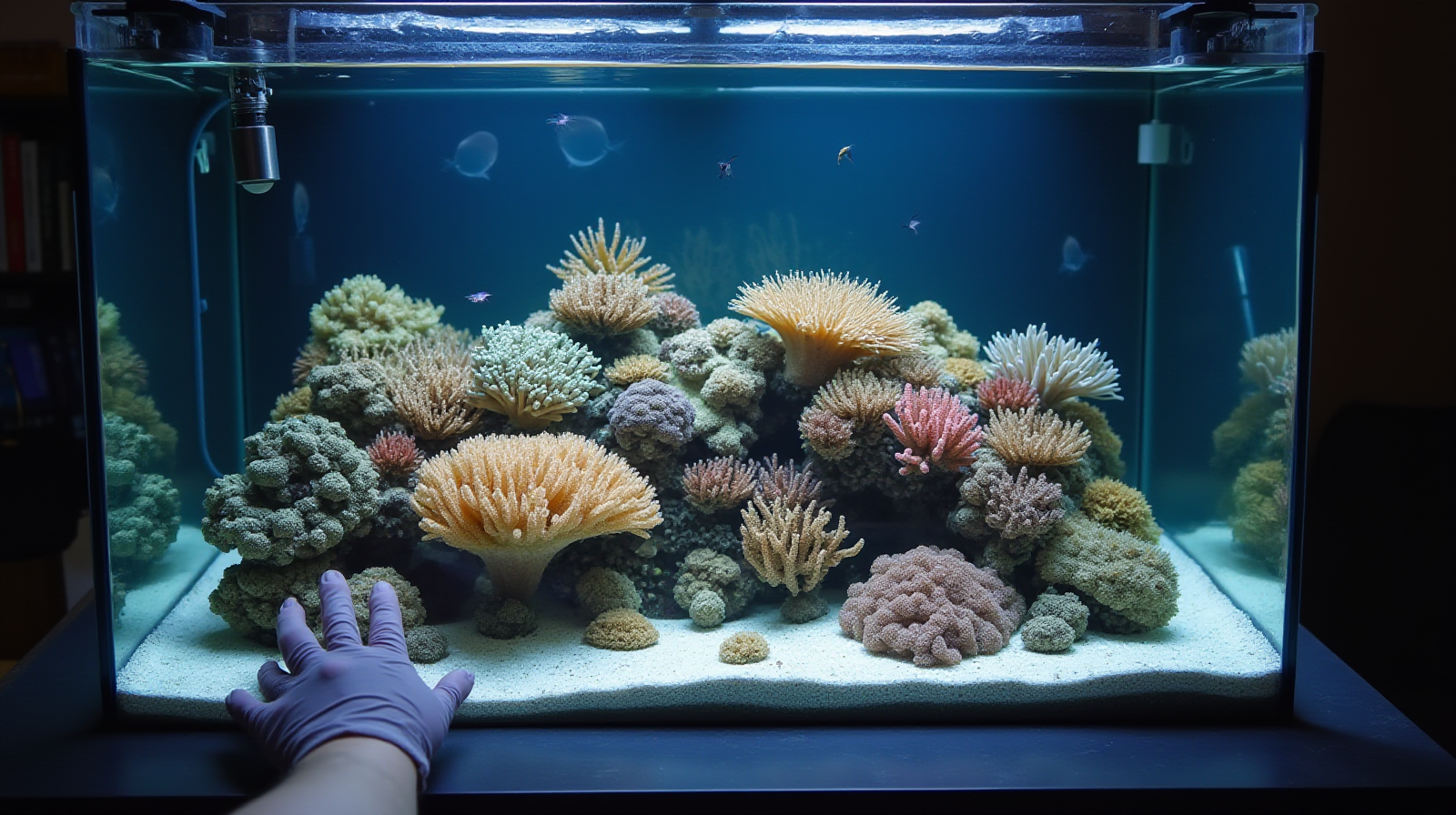
The Delicate Balance: Keeping Reef Water Stable (and Healthy)
Written by Diamond Dave — September 6, 2026
Why chasing perfect numbers is harder—and less rewarding—than aiming for consistency.
First off: Don’t panic about perfection.
When you first start keeping a reef tank, it is very easy to get caught up in trying to hit exact numbers found on a chart or a website. You might spend hours stressing over whether your alkalinity is at 8.4 or 8.6, thinking that even a small deviation will cause everything to fall apart. I did this for the first year of my hobby, and it was exhausting. The truth I eventually learned—and what I want you to know now—is that consistency is much more important than perfection. Your fish and corals do not need your water chemistry to be perfect; they just need it to stay steady. A stable environment where things only change slowly allows the livestock to adapt. If your numbers are within a reasonable range and aren’t jumping around wildly from week to week, you are doing exactly what you need to do.
The ‘Big Three’: Alk, Ca, and Mg—Why they’re always linked up.
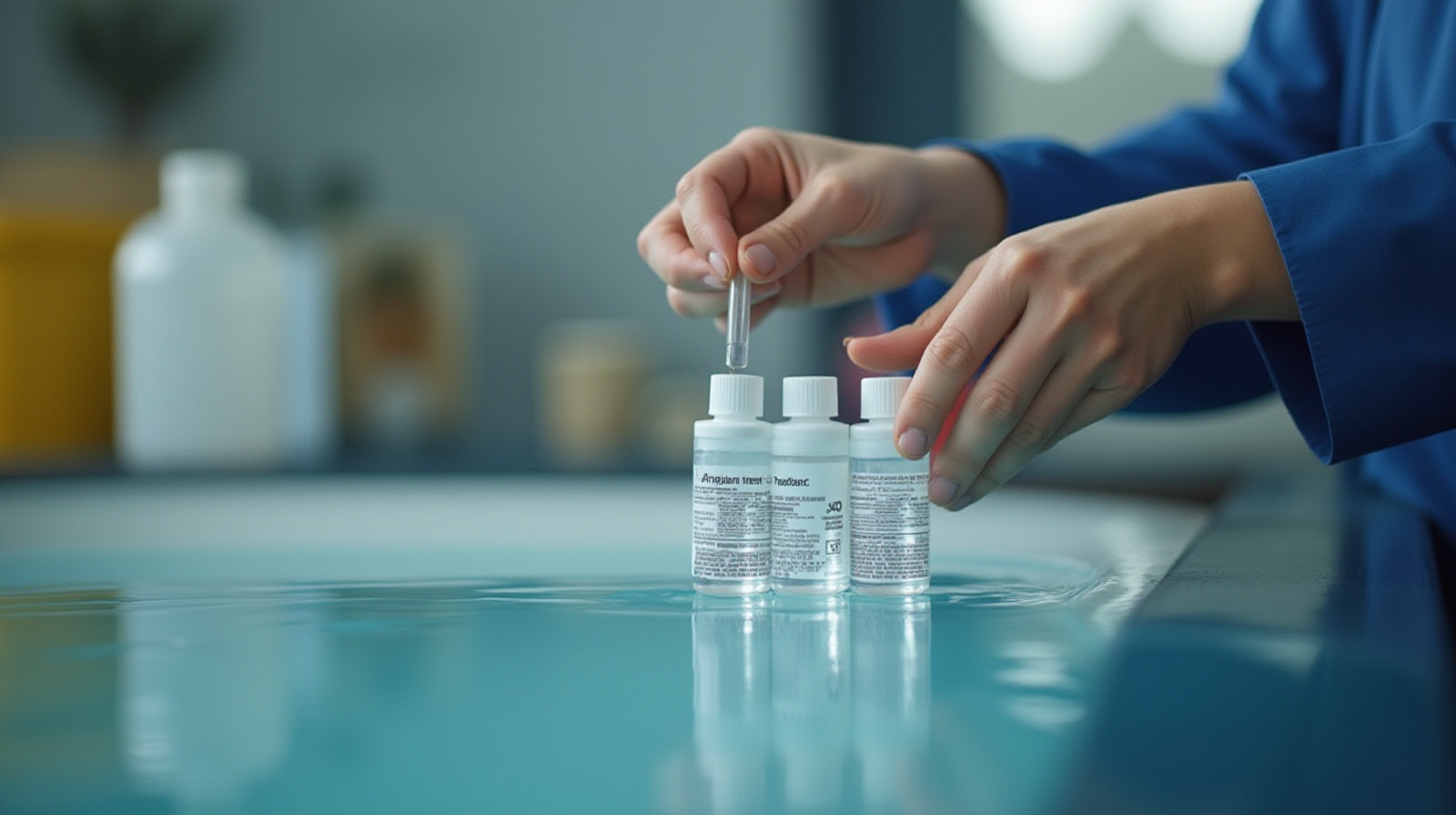
In the reef world, we talk about Alkalinity (Alk), Calcium (Ca), and Magnesium (Mg) as a package deal. Think of Alkalinity as the shock absorber for your tank; it buffers the water so that changes in pH don’t happen too quickly. It is often the most important one to watch because it keeps the overall chemistry stable. However, you cannot manage Alk without keeping an eye on Calcium and Magnesium as well. These three are chemically linked. If your Magnesium levels get too low, your Calcium will start to drop even if you are adding it, because they won’t stay in solution properly. I’ve seen many beginners try to fix a calcium problem only to find out their magnesium was the real culprit. By monitoring all three together, you ensure that the “foundation” of your water stays solid so your corals can build their skeletons without stress.
Nitrogen Cycle Basics: Ammonia, Nitrite, Nitrate. What the beginner needs to know.
If you are new to this, the nitrogen cycle is the most important biological process in your tank. It is essentially how your system handles waste. When fish eat and produce waste, it creates ammonia, which is highly toxic. In a healthy tank, special bacteria live in your rocks and filter media to convert that ammonia into nitrite. Nitrite is still very dangerous to fish. The next step in the cycle converts nitrite into nitrate. Nitrate is much less harmful, but it does build up over time like “yard waste” in a garden. If you let nitrate get too high, it can lead to algae blooms and other issues. You want your ammonia and nitrite levels at zero consistently. When they are at zero, it means your cycle is working correctly and the bacteria are doing their job of cleaning the water for your livestock.
The Chemistry Playoff: Dealing with pH swings and phosphates.
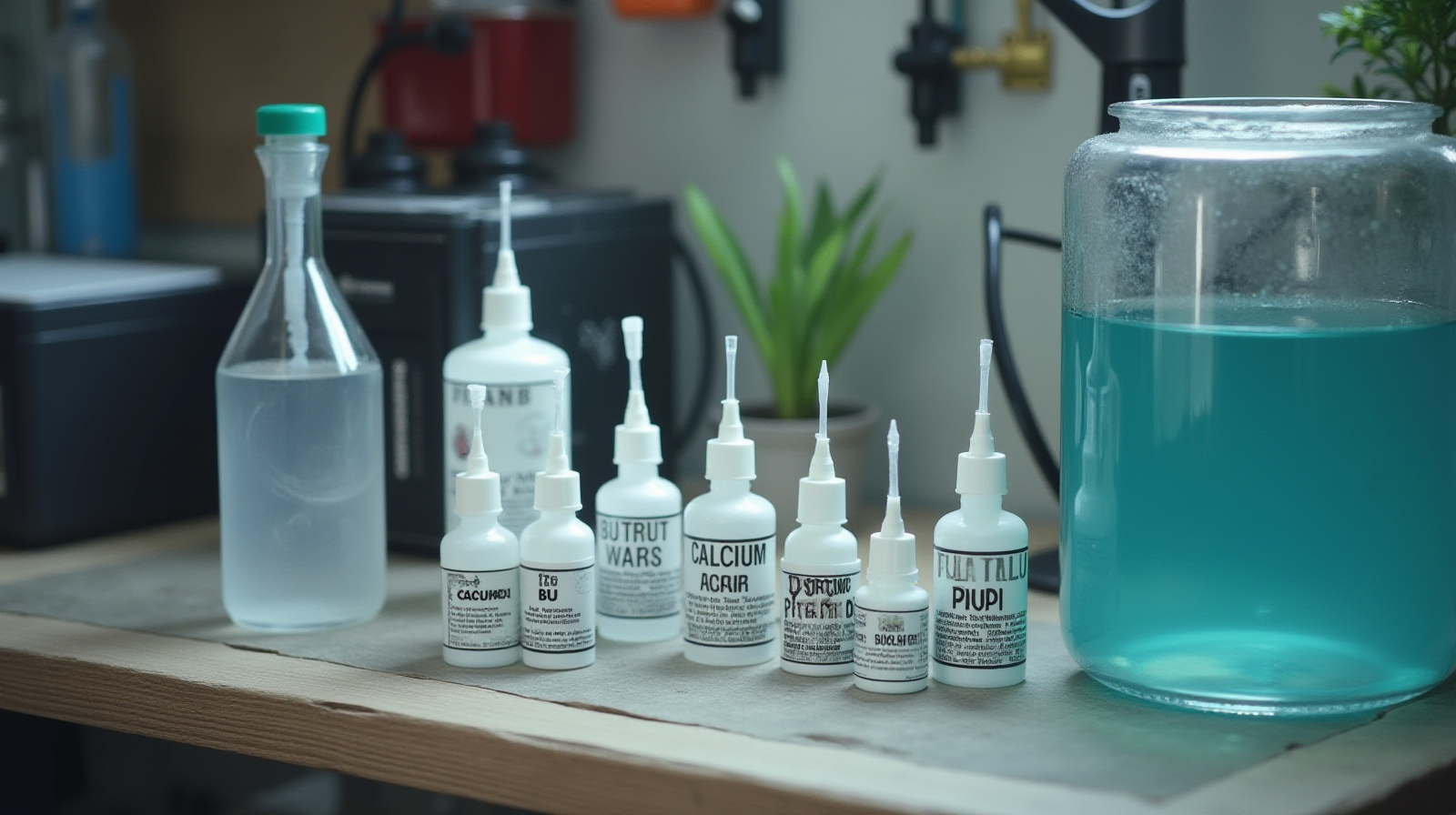
While there are many numbers to track, pH and Phosphates are two that often cause headaches if left unmanaged. For pH, you want stability above all else. A sudden swing in pH can shock fish even if the average reading for the day looks okay. Large jumps usually happen when too much water is changed at once or when large amounts of rock are added quickly. On the other side of things, phosphates act as a primary food source for algae. If your phosphate levels get out of whack, you might see hair algae or other nuisances take over the tank. It isn’t always about hitting one specific number; it is about finding a balance where the growth in your tank remains controlled and manageable. Keeping these two in check helps ensure that your environment stays stable enough for both fish and corals to thrive long-term.
Making it Routine: A checklist for managing your tank chemistry week-to-week.
Managing a reef tank shouldn’t feel like a second job, but it does require some consistency. Instead of testing every single chemical every day, I recommend setting up a routine that keeps you informed without burning you out. Use the following guide to stay on top of things:
- Daily: Check your temperature and do a visual sweep of your livestock.
- Weekly: Test your primary levels (Alk, Ca,
Source: Saltwater Aquarium Blog
Get new newsletter issues, guides, and product updates by email.