Starting Small: Planning Your First Freshwater Tank Right
Written by Diamond Dave — November 10, 2026
More about the setup matters than what you put in it.
The newsletter for brand-new freshwater keepers who want to avoid buying everything at once and ending up with a sad looking, unbalanced tank.
Don’t start with fish. Start with the box.
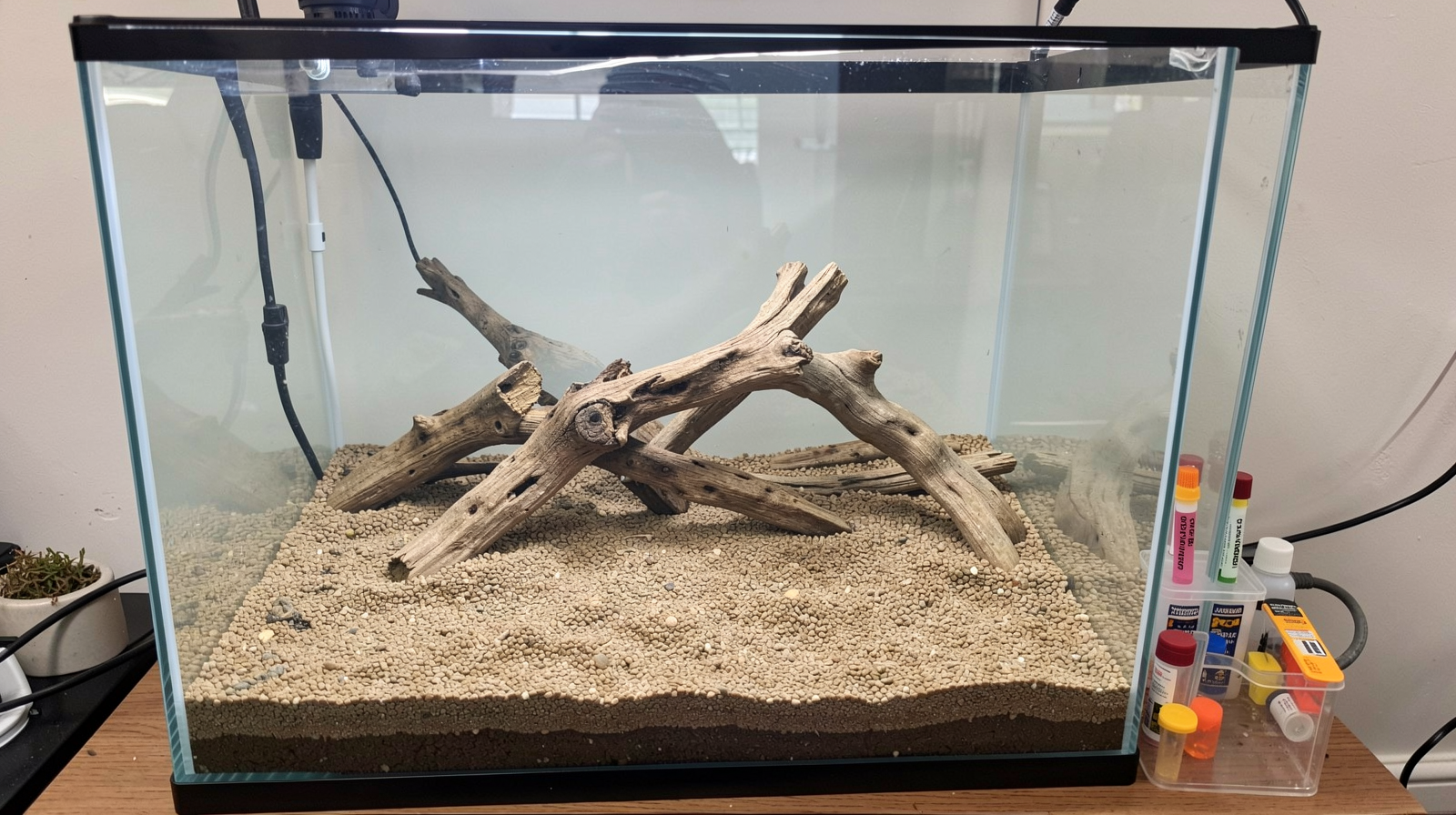
I see this all the time when people first get into the hobby: they walk into a pet store, find a beautiful school of neon tetras or some flashy goldfish, and then go home to figure out where that fish is going to live. That’s how you end up with a stressed-out tank and a lot of wasted money. You have to start with the hardware—the “box”—before you ever think about what’s swimming inside it.
When I was setting up my first few tanks, I learned quickly that your choice of footprint determines everything else. A smaller tank has less water volume, which means it’s much harder to keep stable. You need to decide on the size and shape based on where it’s actually going in your house. Is there a table big enough for a 20-gallon long? Do you have a corner that only fits a small cube? Once you pick the tank, you then choose the filtration system that can handle that specific volume of water. Only after the tank is placed and the filter is humming do you start thinking about what kind of fish are actually compatible with that space.
Getting your chemistry right: The cycle isn’t optional reading.
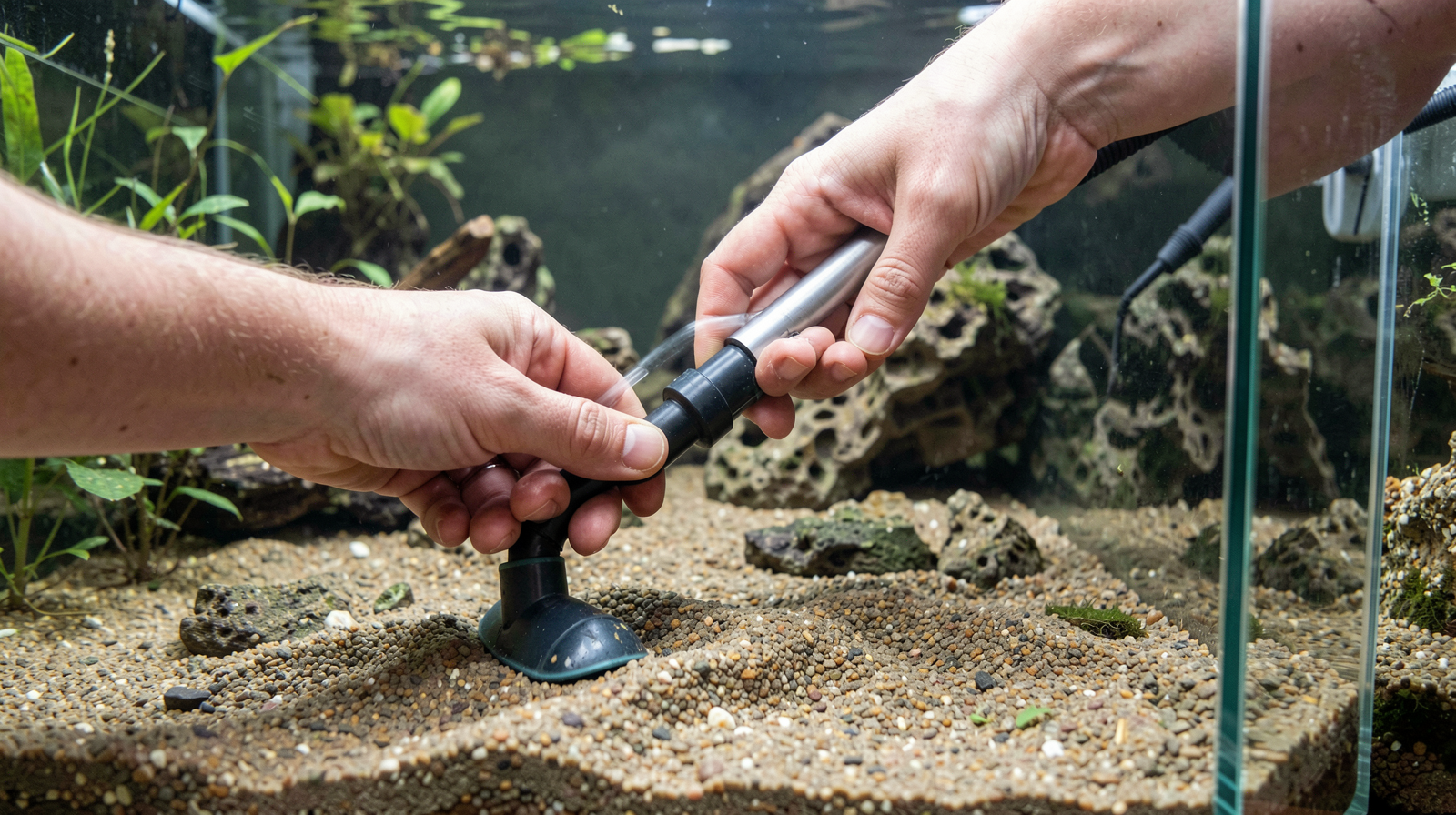
One of the biggest mistakes I made early on was thinking that as soon as the water looked clear, it was ready for fish. It’s not. You have to let the “nitrogen cycle” happen. In plain terms, you need to build up a colony of beneficial bacteria that live in your filter and on your decorations. These bacteria eat the waste (ammonia) produced by fish and turn it into something less toxic.
If you skip this step or rush it, you’re essentially putting your new fish into a chemical soup that can make them sick very quickly. You need to run the tank with just water and your filter for several weeks—sometimes a month or more depending on how much surface area your decorations provide. During this time, you aren’t looking at “pretty” stuff; you’re monitoring levels. It feels like nothing is happening because the water looks clear, but underneath the surface, those bacteria are moving in and getting settled. Patience here saves lives later.
The slow introduction method (Staging Your Livestock)
Once your tank is cycled and ready to go, there’s a temptation to go buy ten fish at once and dump them all into the water. Don’t do that. Even with a healthy cycle, a sudden influx of waste from a dozen new fish can overwhelm your bacteria colony and cause an ammonia spike.
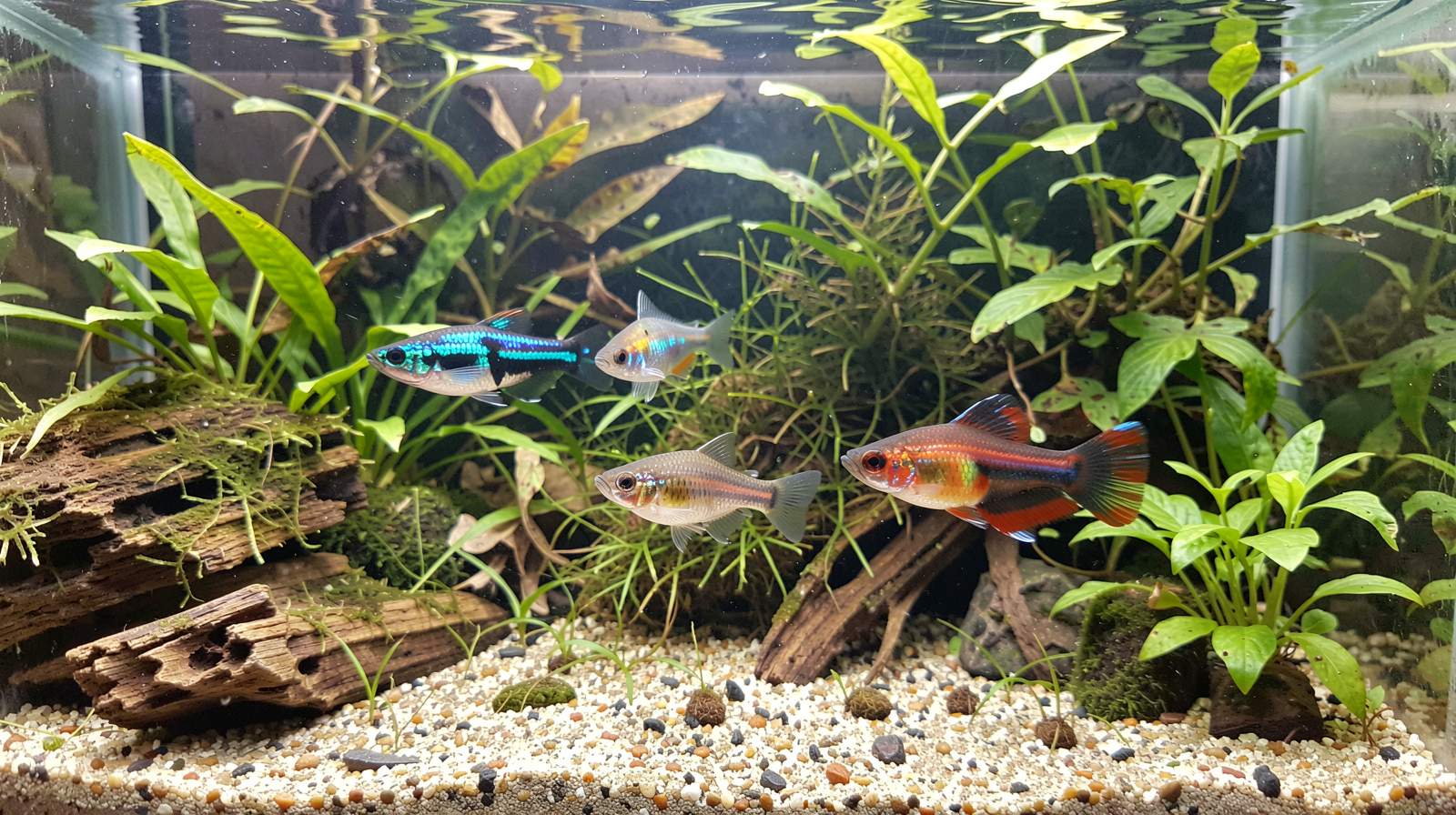
I prefer what I call “staging” your livestock. Start with just one or two hardy individuals—maybe some small community fish like a few corydoras or a single school of small tetras. Keep them in the tank for about a week or two. This gives your bio-filter time to adjust to their specific waste output. Once the water parameters stay steady, you can add the next small group. It’s a bit slower, but it keeps the environment stable.
Here is a simple way to pace yourself:
- Week 1: Add 2–3 hardy “scout” fish (e.g., small tetras or a single hardy species).
- Weeks 2-3: Monitor water quality; if steady, add another small group of 3–4 fish.
- Week 4+: Continue adding small groups of only what you can comfortably fit in the remaining space.
Tank shape matters: Long vs. High, what’s best for you?
People often pick a tank based on how it looks in a photo, but as an owner, you have to think about how it functions in your room. A “long” tank (like a 30-gallon long) is generally my recommendation for beginners. It provides more surface area for oxygen exchange and gives fish plenty of horizontal swimming space, which most community fish prefer. Plus, they are often easier to maintain because you can reach the bottom more easily during water changes.
A “high” or cube tank looks great on a desk, but it can be tricky. Because the footprint is smaller, those fish have less room to move side-to-side. You also have to be careful with decorations; if they are too tall, you might find yourself constantly reaching over them to clean the glass.
| Tank Style | Pros | Cons | Best For |
|---|---|---|---|
| Long/Horizontal | More swimming room, easier maintenance. | Takes up more floor or table space. | Most community fish and beginners. |
| High/Cube | Great for vertical plants, compact footprint. | Less horizontal space, harder to reach bottom. | Specific species like certain cichlids or tall plants. |
What to avoid when starting out (The beginner traps)
If I could go back and tell my younger self three things to avoid, they would be these: don’t overstock, don’t buy every gadget at once, and don’t ignore the “hidden” costs of maintenance.
Overstocking is the fastest way to kill a tank. Just because a fish can live in a 10-gallon tank doesn’t mean it should if you have five of them. Every fish adds to the waste load, and eventually, that load will outpace what your filter can handle. Also, don’t feel like you need the most expensive “pro” lighting or high-tech CO2 systems on day one. Start with a solid filter, a basic light, and some good substrate. You can always upgrade later once you understand how your specific tank behaves. It’s much better to have a simple, stable setup than an over-complicated one that crashes because it was too much for a beginner to manage at once.
Source: AquaticRig
Get new newsletter issues, guides, and product updates by email.