
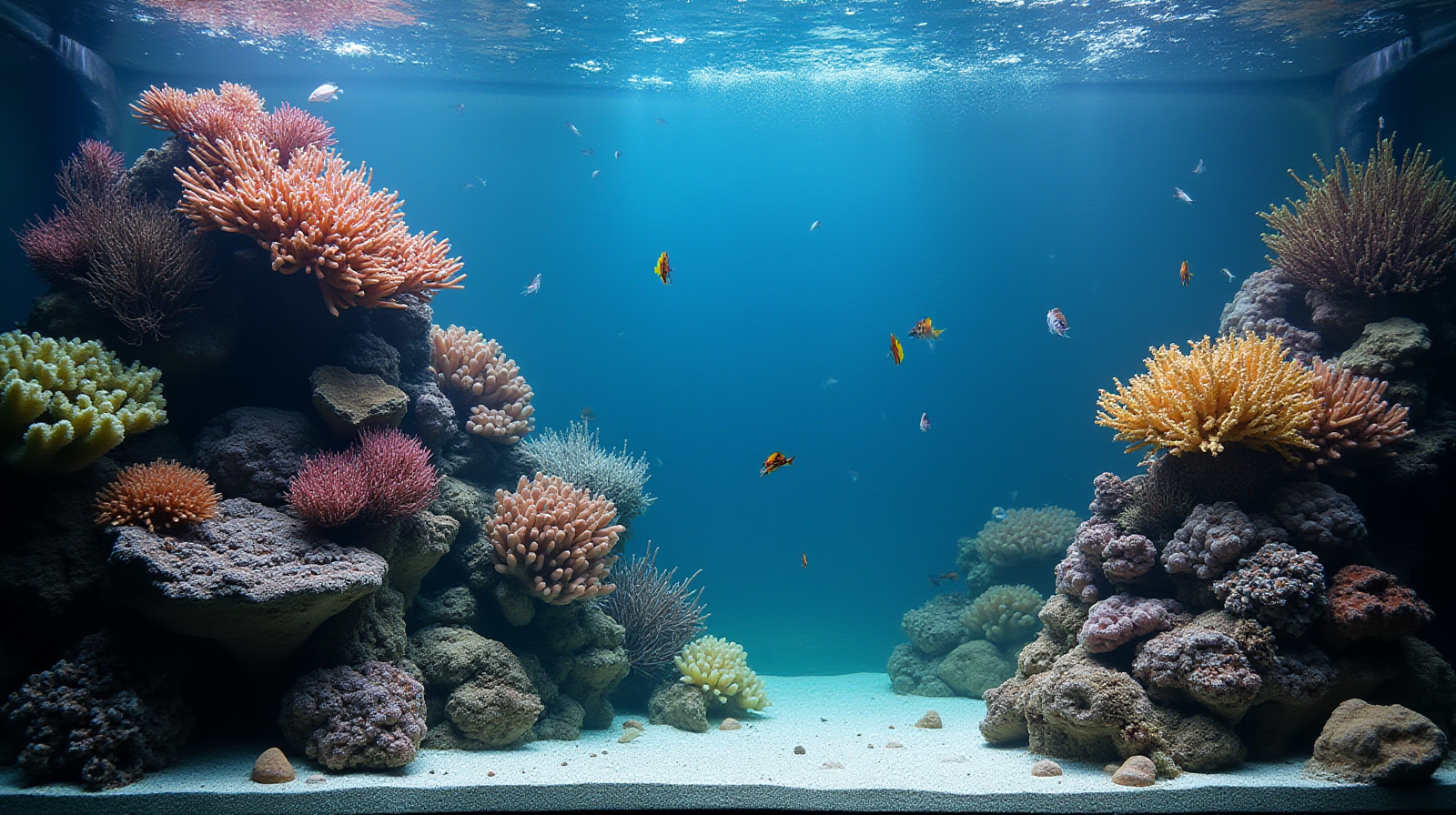
Seeing What You Can't See: Tools for Deep Tank Observation
Written by Diamond Dave — October 22, 2026
A practical look at cameras, scopes, and magnifiers when you need to check the nooks and crannies of your reef.
The newsletter for intermediate reef keepers who want better visibility into those tricky pockets where things go wrong.
Before you buy a gadget: What are we actually trying to see?
Before you go out and spend money on tech, it helps to get clear on what problem you’re trying to solve. In my experience with reef tanks, the biggest hurdle is often just plain old visibility. When you have complex rockwork or dense coral structures, a lot of your tank is hidden from your line of sight. It’s easy for algae to establish itself in a crevice or for waste to settle in a pocket where it can’t be easily reached by your current.
You aren’t just looking for “cool stuff” to see; you are trying to identify potential problems before they become disasters. Are there tiny hitchhikers hiding in the rocks? Is there an algae bloom starting in a hard-to-reach corner? Knowing what you need to find—be it a specific pest, a growth issue, or just a dirty spot—determines whether you need a high-tech camera system or if a simple flashlight and some patience will do the job.
The simple poke: When magnifiers and lens do the trick
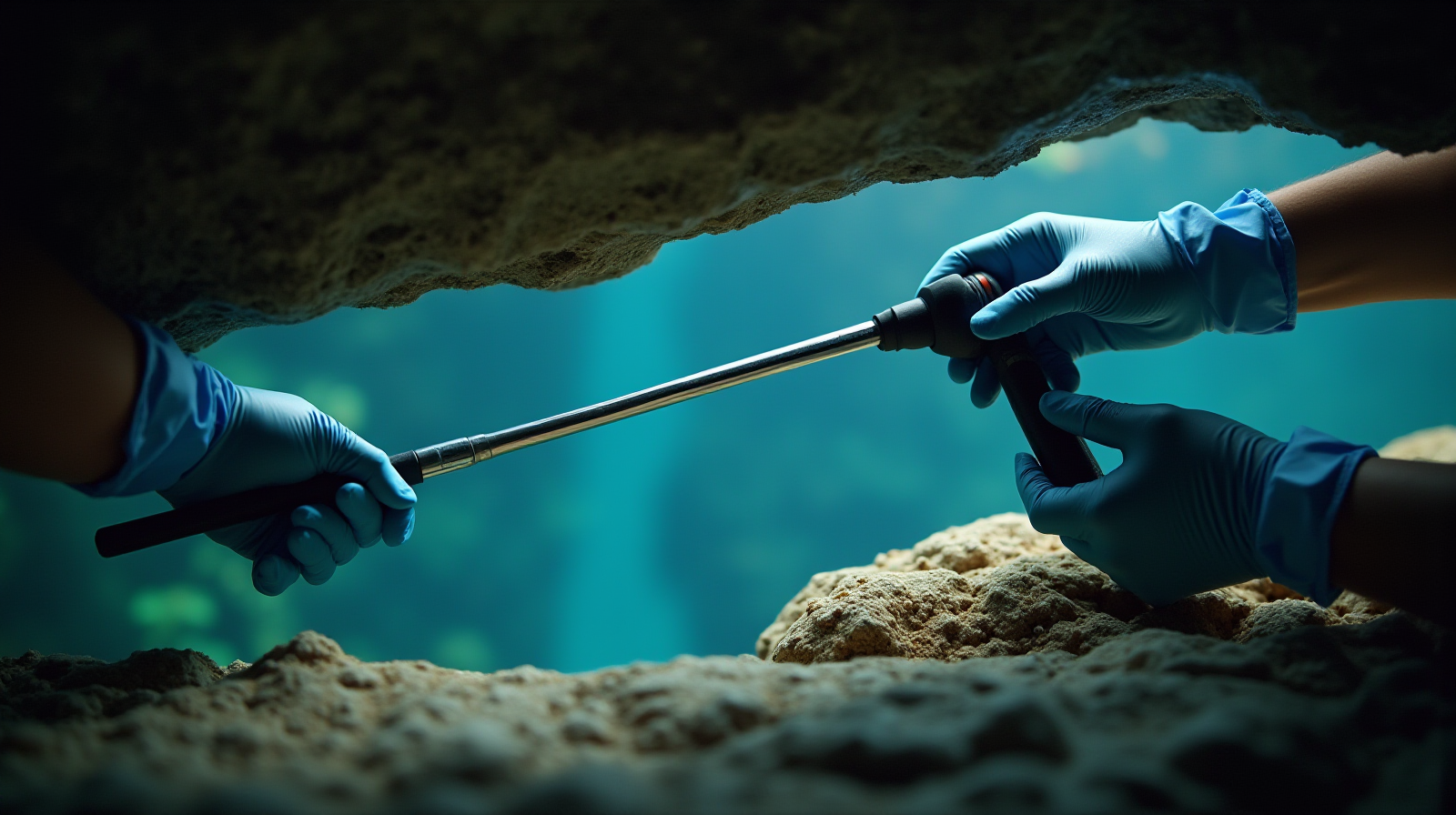
Most of the time, you don’t need an electronic feed to see what’s going on in your tank. A lot of my early “problems” were solved simply by getting closer. If you notice a weird growth or a strange color on a piece of live rock but can’t quite make out the details from the side of the glass, a simple handheld magnifying glass is often the right tool.
Adding a small, waterproof LED light to your routine changes everything. Often, what looks like an “invisible” problem in a dark crevice is just something that hasn’t been hit by enough light. I’ve found that having a dedicated, high-lumen handheld torch allows you to inspect the reef at your own pace without relying on the tank’s main lighting. If you can see it with a good flashlight and a hand lens, don’t bother complicating things with cameras yet.
Peeking into tight spots with endoscopes and cameras
There is a point where your arm just can’t reach, or your head won’t fit between the rocks without risking damage to your corals. This is where those “snake” cameras, or endoscopes, become useful. These are rigid or semi-flexible cables with a camera at the tip. They allow you to snake into deep crevices or behind large structures to see if there’s any debris buildup or hidden pests.
I’ve used these specifically when I suspected waste was getting trapped in “dead zones” of the rockwork. Instead of moving heavy rocks—which can stress the fish and damage delicate corals—you just feed the camera in. It gives you a clear, direct view of what’s happening deep inside the structure. For most home hobbyists, these are much more practical than trying to build a complex underwater camera system for everyday maintenance checks.
Getting the big picture: Top-down views for substrate health
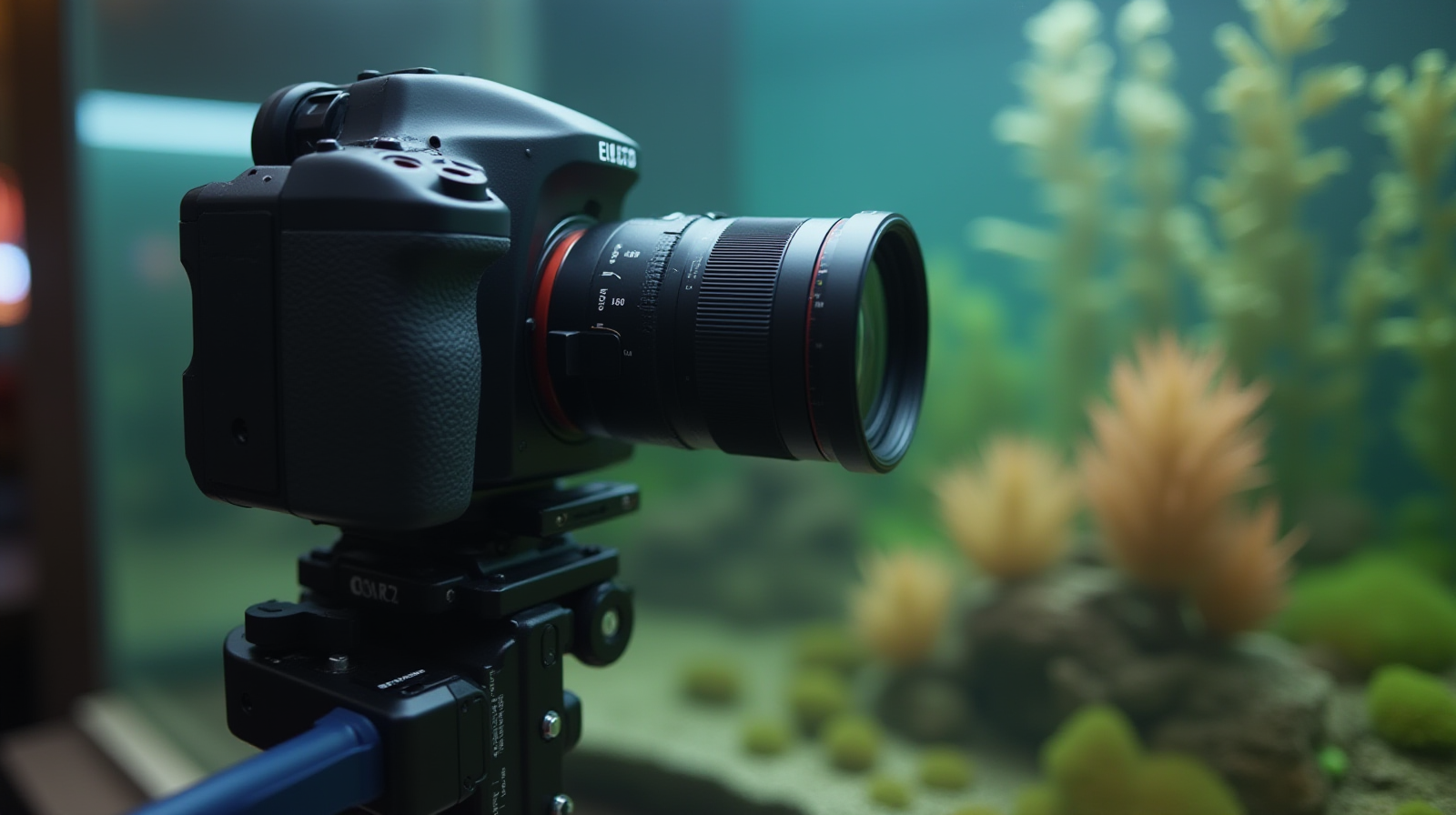
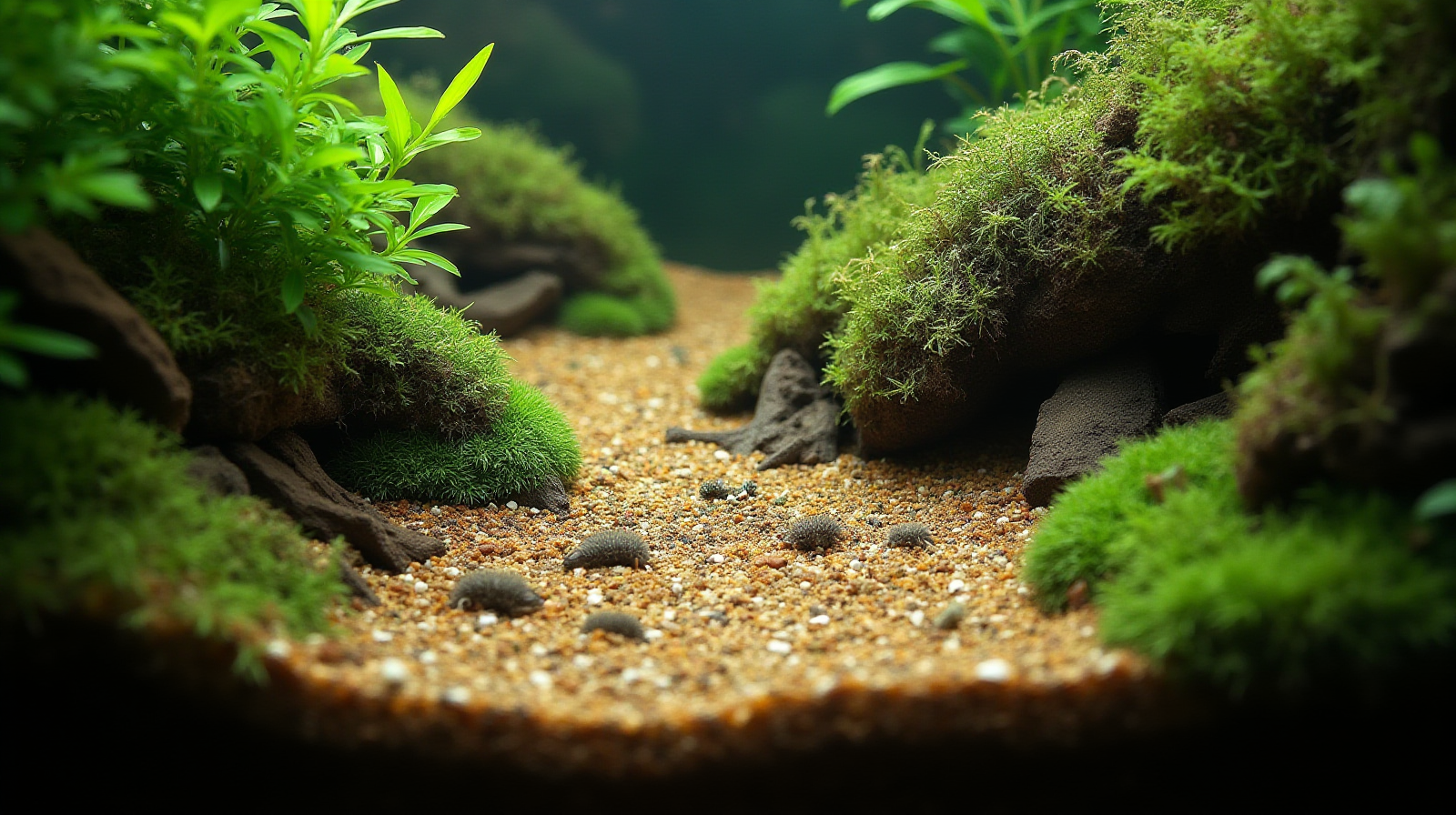
One thing people often overlook is that we spend so much time looking at the sides of the tank that we miss what’s happening on the bottom. If you have a sandbed, it’s very easy for detritus to settle in areas where the water flow isn’t hitting just right. A top-down camera or a simple high-angle mount can be a game changer for monitoring your substrate health.
When you view from above, you can see:
- Patterns of waste accumulation near rocks and decorations.
- Signs of “dead zones” where oxygen might be lower.
- The presence of flatworms or other pests that hide in the sand during the day.
- Uneven growth of hair algae on the bottom surface.
Having a consistent top-down view allows you to spot these issues early, before they start affecting your livestock’s health. It takes the guesswork out of where you need to focus your cleaning efforts.
The detail shot: Macro lenses and macro photography tips
Sometimes you see something—a tiny polyp, a small crustacean, or maybe a suspicious speck on a fish—and you just need a closer look to know what it is. This is when macro capabilities come in handy. You don’t necessarily need an underwater housing for this; often, taking photos through the glass with a dedicated macro lens (or even a high-quality smartphone macro attachment) works well enough for identification.
Capturing these “detail shots” allows you to sit down later and really study the image without the distraction of moving water or flickering lights. If I see something suspicious on a coral, I’ll snap a close-up photo first. It lets me compare it against reference photos online or show it to others for advice without having to describe “that one tiny thing over there” in real-time.
What not to buy (and what is overkill)
It is easy to get caught up in the “gadget” side of this hobby, but I want to be honest about where you should spend your money and where it’s a waste. You do not need a 4K underwater cinema system just to check for algae once a week. Similarly, unless you are doing serious macro-photography as a primary hobby, a professional-grade underwater housing is likely overkill for most home setups.
| Tool | When to get it | Why skip the “pro” version |
|---|---|---|
| Handheld Torch | Day 1 of your setup | A high-quality LED light is often all you need for 90% of tasks. |
| Magnifying Lens | When identifying pests | You don’t need a microscope to see if something is moving in a crack. |
| Endoscope/Snake Cam | If you have complex rockwork | These are affordable and solve the “hard to reach” problem effectively. |
| Top-down Camera | For large sandbed tanks | Unless it’s a primary goal, a steady tripod and phone often suffice. |
Focus on solving your specific visibility problems first. If you can’t see into a hole because of the rock structure, get an endoscope. If you can’t tell what a tiny bug is, grab a magnifier. Don’t buy a suite of electronics until you’ve exhausted the simpler options.
If you’re struggling to identify something specific in your tank and aren’t sure which tool would help you see it better, reach out through our contact page or check out our guide library for more detailed breakdowns on reef maintenance.
Source: Reefs.com
Get new newsletter issues, guides, and product updates by email.