Scaling Up Your Reef: Lessons from Small to Big Tanks
Written by Diamond Dave — August 31, 2026
Real-world advice for keeping healthy saltwater reefs in any size home setup.
Starting Small: Don’t Let Tank Size Scare You
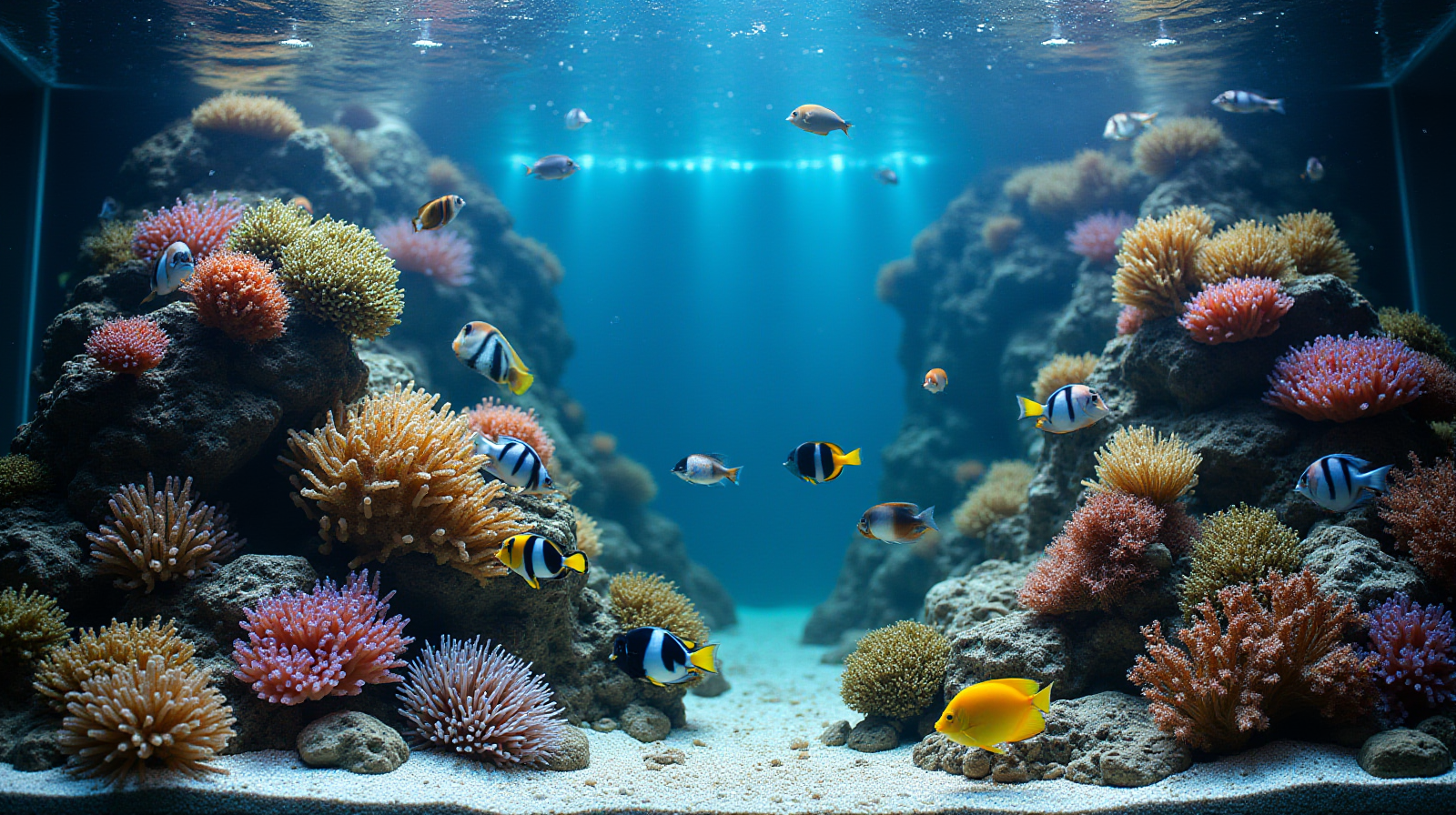
One of the biggest myths I hear from people starting out in saltwater is that you need a massive, three-hundred-gallon tank to keep a reef stable. I’ve seen plenty of folks get intimidated by the huge systems they see on social media and assume their smaller home setup won’t cut it. The truth is, you can absolutely have a thriving reef in a much smaller footprint; you just have to be more intentional about how you manage your bioload. In a smaller volume of water, mistakes happen faster because there is less room for error before things go south. However, if you focus on creating a stable environment rather than trying to cram as many fish as possible into the space, a small tank can be incredibly rewarding. It isn’t about the size of the glass; it’s about how well your systems support the life inside it.
The Golden Rules for Mixed-Size Reefs
Whether you are running a sixty-gallon system or a much smaller nano setup, certain biological and physical rules don’t change just because the dimensions do. One of those is water movement. Dead spots in any tank lead to detritus buildup and stagnant zones where algae can take hold easily. You want consistent flow that reaches every corner of your reef so waste doesn’t settle in one spot. Another constant is filtration reliability—your system needs to be able to handle the waste produced by your inhabitants without struggling. In my experience, it’s better to have high-quality equipment suited for your specific volume rather than over-powering with massive pumps you don’t need or under-powering and fighting an uphill battle to keep parameters stable. Focus on what the water needs to stay healthy regardless of how many gallons are in the tank.
Managing the Bioload: Fish Count vs. Filtration Power

When people ask me about “stocking,” I always try to steer them toward quality over quantity. In a smaller reef, every fish you add takes up more relative space and produces more waste compared to its neighbors’ footprint. It’s easy to get excited and buy several different species of small fish because they look great together, but that can quickly overwhelm your filtration system. I usually recommend starting with just a few “centerpiece” fish and watching how the tank reacts for several months before adding anything else. This gradual approach gives you time to see how your nitrate levels respond and ensures that your filtration isn’t constantly struggling to keep up with a sudden spike in waste. If you want a crowded, busy reef, it’s better to build toward that slowly over years rather than trying to hit the target on day one.
Keeping It Simple When Things Get Complex
It is easy to get distracted by the “shiny” stuff—the exotic corals or the high-tech controllers—and forget what actually keeps fish alive: stable chemistry. I’ve seen many hobbyists spend a lot of money on premium corals only to have them die because their basic nitrate and phosphate levels were swinging wildly every week. Before you worry about complex parameters, make sure your basics are rock solid. This means having a consistent salinity level (which is non-negotiable in saltwater), stable temperatures, and a reliable source of clean water for top-offs. If those three things aren’t steady, the fancy equipment won’t save the reef. Keep it simple at first; master the basic chemistry before you try to fine-tune every tiny detail available on the market just because someone online told you that you needed it.
Checking Your Limits: A Quick Self-Assessment Checklist
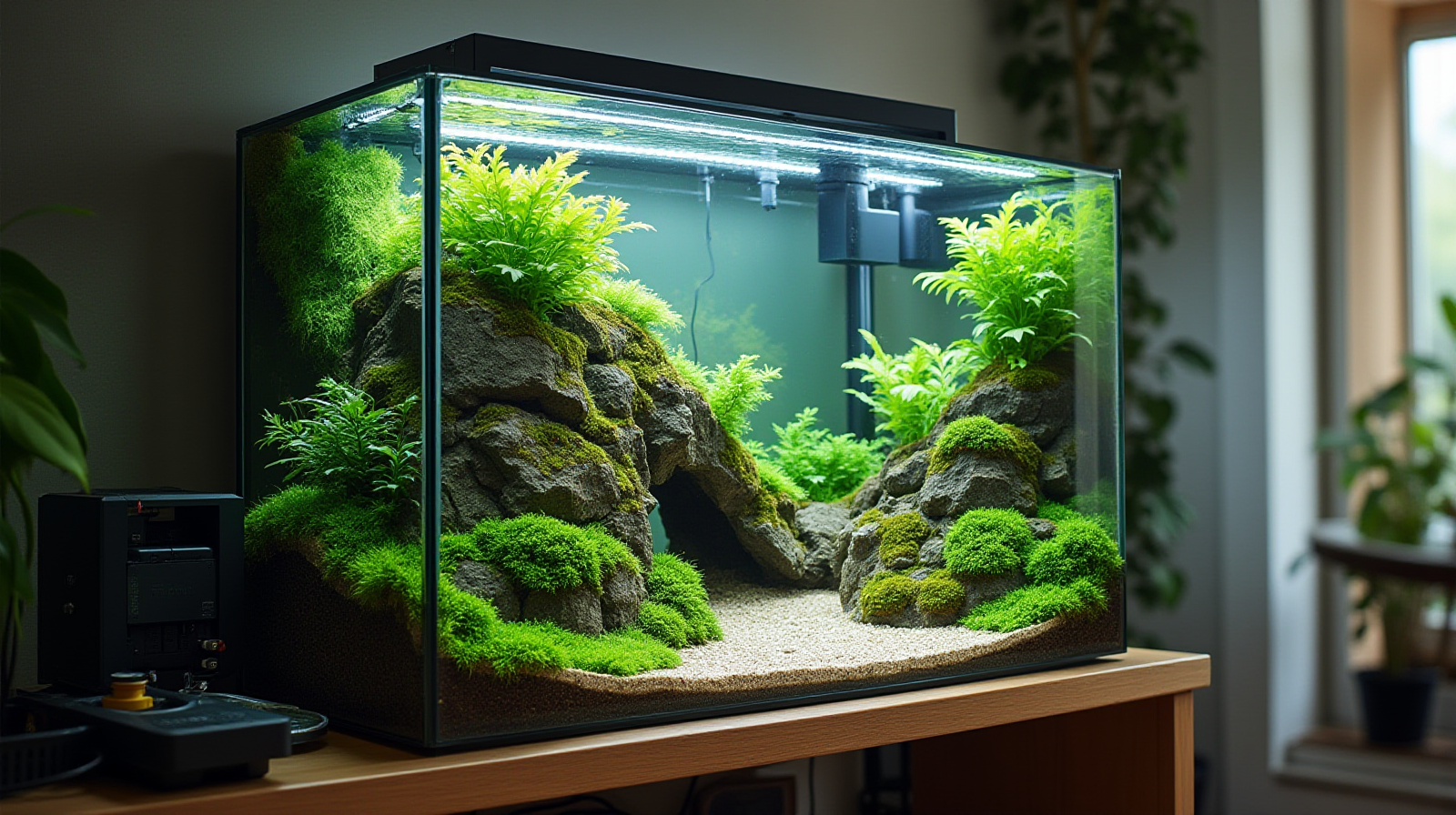
Before you decide that your tank is ready for more fish or a new batch of corals, take a step back and look at what’s actually happening in the water. It’s about moving from “hoping it looks good” to “knowing it’s stable.” I like to think of this as a sanity check before expansion. If you can go several weeks without seeing significant swings in your primary parameters or noticing issues with your equipment, you are in a much better position to grow the reef.
Use this checklist to see where your tank stands:
- Stability: Have nitrates and phosphates remained steady for at least 30 days?
- Flow: Is there active water movement reaching every coral and rock area?
- Consistency: Are temperature
Source: Reefs.com
Get new newsletter issues, guides, and product updates by email.