Scaling Up Reef Tanks: From Three Gallons to a Backyard Display
Written by Diamond Dave — September 9, 2026
Lessons on stability, equipment choice, and keeping things affordable as your reef grows.
Getting Started: The Mindset Shift
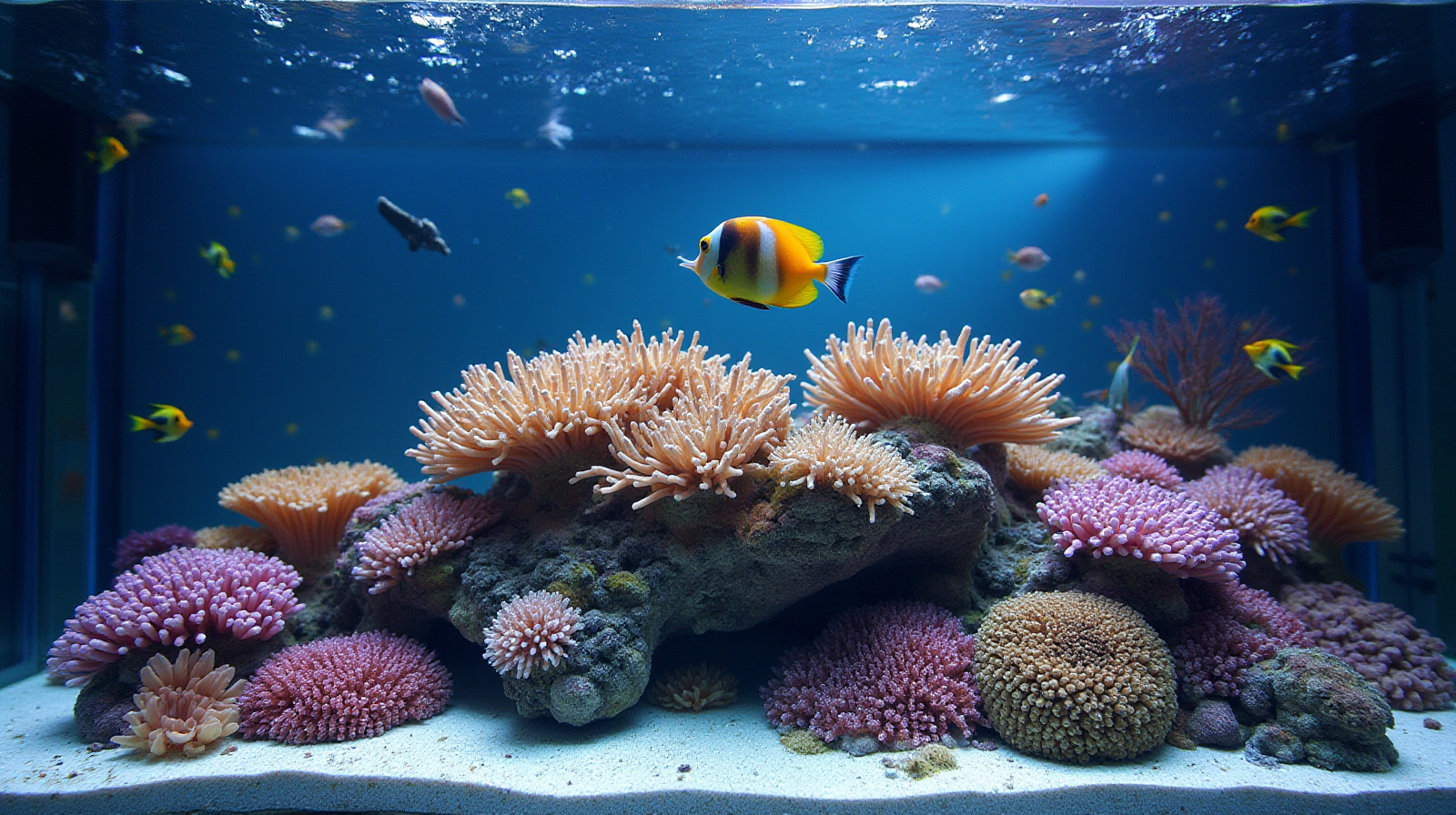
When you move from a small desktop tank to something larger, like a 100-gallon reef system or a backyard display, it isn’t just about having more room for fish. It is a fundamental shift in how you manage the environment. In a small nano tank, chemistry can swing wildly in an hour because there is so little water to buffer against mistakes. When you scale up, your biggest hurdle moves from “trying to keep things stable” to “managing consistent flow and distribution.” A larger volume gives you more breathing room for errors, but it also means that if something goes wrong—like a pump failing or a leak starting—it can be much harder to spot immediately. The goal when scaling up is stability through infrastructure. You want to build a system where the hardware does the heavy lifting so you aren’t constantly fighting your own water chemistry just to keep things alive.
The Gear Game Changer (RO/DI & Plumbing)
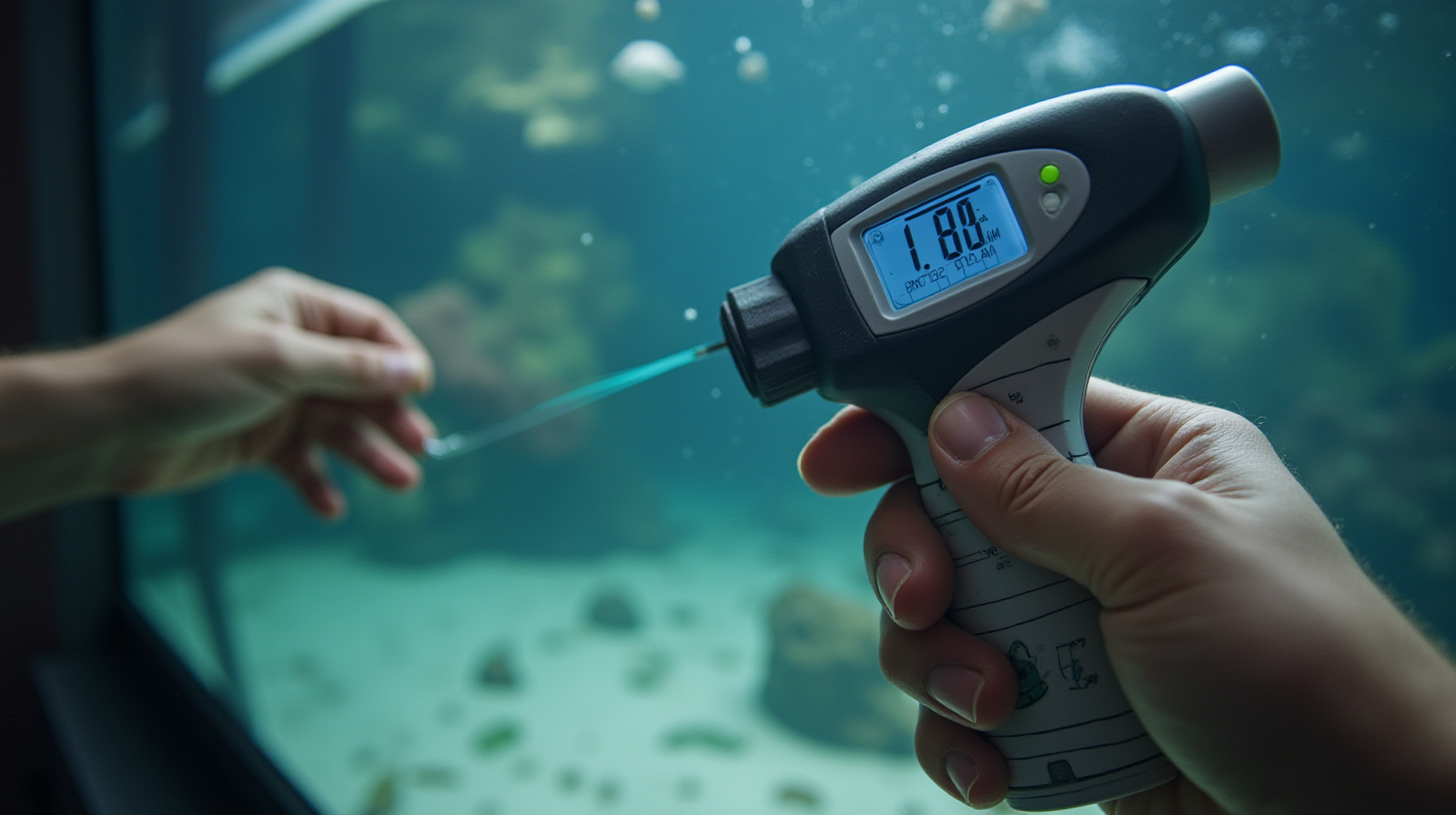
One of the biggest mistakes I see people make as they move up in size is trying to “scale” their old habits instead of upgrading their core systems. If you are moving into a larger reef system, your water source has to be perfect from day one. You cannot rely on tap water or basic filter cartridges when you’re dealing with delicate coral and marine life at scale; you need a dedicated RO/DI (Reverse Osmosis/Deionization) system. It’s not a luxury; it is the foundation of your chemistry. Additionally, plumbing becomes your best friend as tanks get bigger. Instead of relying on one large pump to move everything around—which often leads to dead spots in the rocks—a plumbed return system allows you to distribute water through multiple heads. This ensures that every inch of the tank gets oxygenated and moved, which is much easier for you to manage than trying to position several individual powerheads perfectly.
Understanding the Ecosystem Jump
Scaling up doesn’t mean a linear increase in everything. You can’t simply double the size of your tank and expect to be able to double the amount of fish or coral immediately just because there is more physical space. Biology behaves differently as volume increases. Larger systems require much more intentional rock placement to ensure that “dead zones” don’t allow algae to take over, but they also offer a much larger buffer for waste. In my experience, when you jump up in size, the “rules” of your filtration and livestock capacity change. You need enough live rock or high-quality dry rock surface area to handle the biological load of a large colony. It’s about creating a balanced habitat where the inhabitants have room to move without bumping into each other constantly while still being within reach of good flow.
Budget Talk: Where You Can Save Money (and where you can’t)
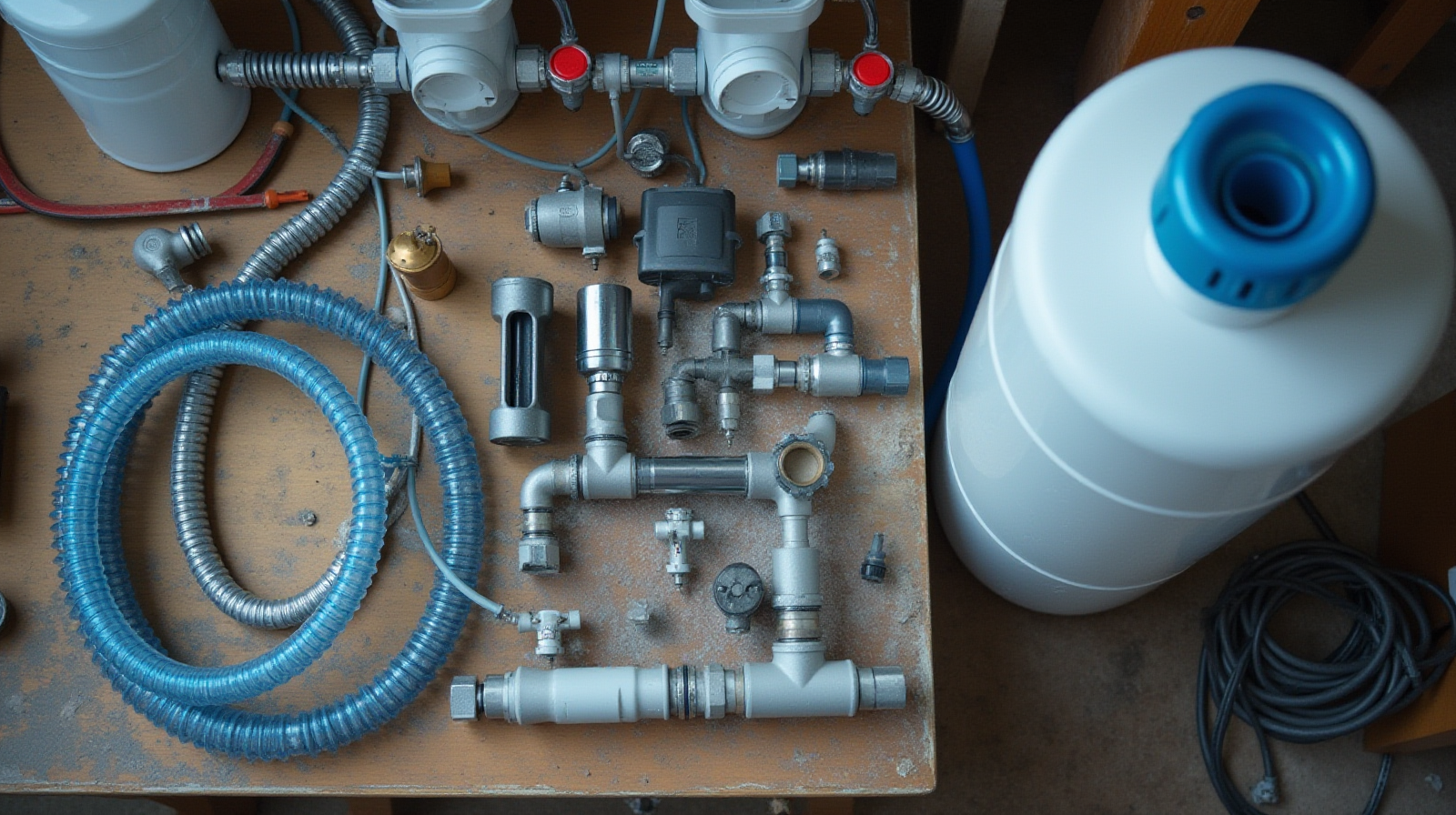
Let’s be honest about the costs of going big. There are places where it is okay to cut corners and areas where cutting corners will cost you more in the long run. If you want a stable, lasting reefed display, do not skimp on the “life support” systems: high-quality lighting that covers your entire footprint, reliable pumps with good warranties, and proper filtration components. These are the things that keep the tank running while you sleep. Where you can save money is in the aesthetics and non-essential features. You don’t need a massive collection of fancy, specialized wave makers if one well-placed pump provides enough movement; you don’t need expensive custom-sculpted decorations when natural rock does the job just as well. Also, avoid buying “collector” fish early on. Stick to hardy livestock while your large system settles into its own rhythm.
The Long Game Checklist
If you are currently planning a move from a smaller setup to a larger reef display, use this list to check your ducks in a row before the first tank is filled:
- Water Source: Do you have a dedicated RO/DI system that produces consistent TDS (Total Dissolved Solids) readings?
- Flow Distribution: Have you mapped out where “dead spots” might occur and planned for secondary pumps or plumbing to reach them?
- Lighting Coverage: Does your light source provide even coverage across the entire footprint of the new tank?
- Backup Plan: Do you have a way to monitor temperature or flow if the power goes out, especially in larger systems where heat can build up quickly?
- Nitrogen Cycle: Have you accounted for the extra time it takes to cycle and stabilize a large volume of water before adding livestock?
Final Thoughts on Patience (Because it’s Reefkeeping)
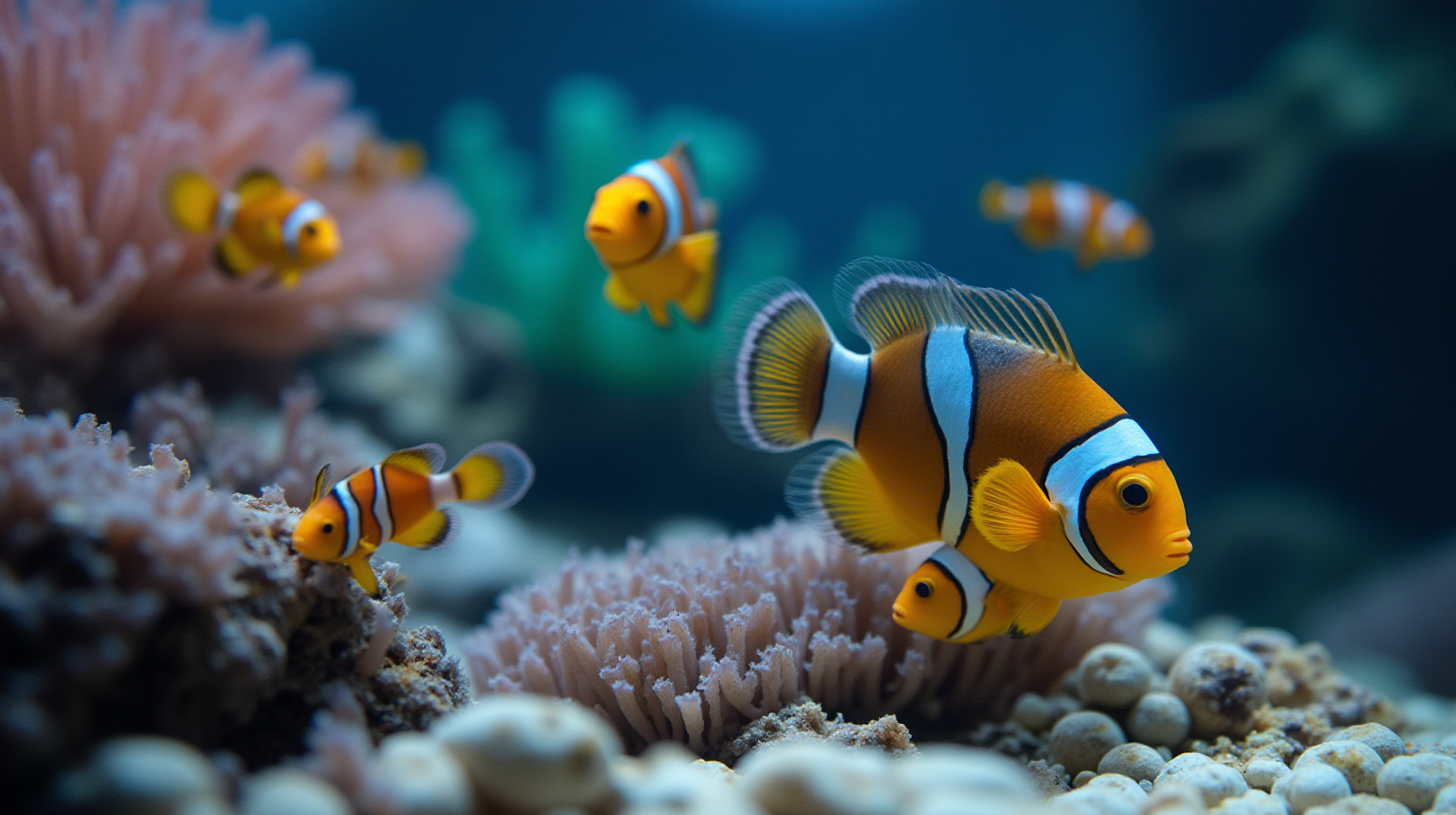
The biggest trap people fall into when scaling up is trying to move too fast. Because a larger tank feels like it should be “easier” because it’s bigger, there is a temptation to add dozens of fish and corals the moment the water tests look good. But a large system takes much longer to stabilize than a small one. Every new addition changes the chemistry and moves the needle on your nitrate and phosphate levels. My advice from years in this hobby is to let the tank “breathe.” Give it time to find its balance before you move to the next stage of stocking. If you want the success of a large display, you have to be willing to wait for the process. It’s not about how fast you can fill the space; it’s about how long you can maintain the stability of that space.
If you are looking for a deeper dive into specific equipment setups or need help navigating your next move, check out our guide library at Fin Sanctuary to see some detailed breakdowns on plumbing and filtration layouts.
Source: Reefs.com
Get new newsletter issues, guides, and product updates by email.