
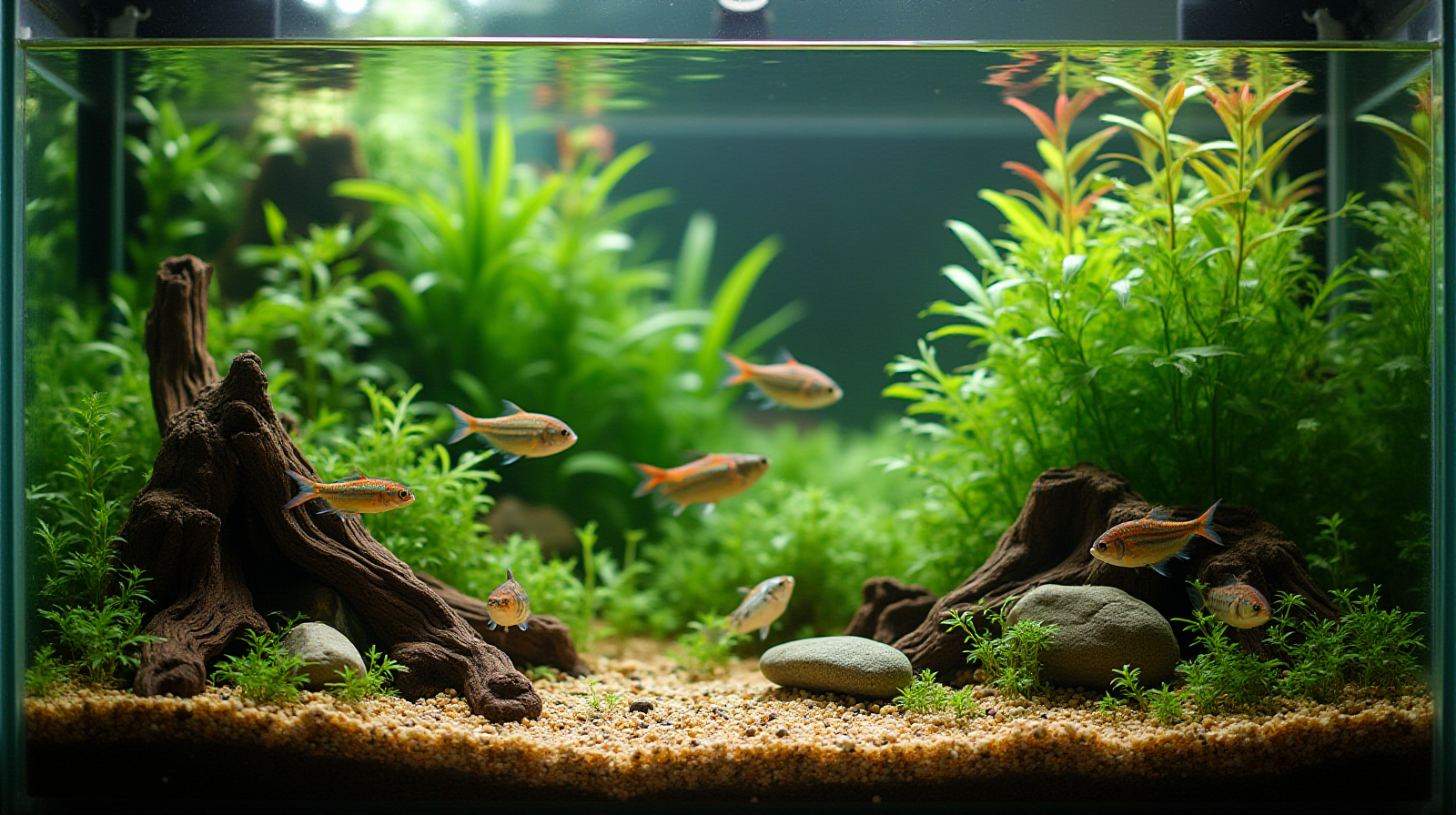
Power Goes Out: Your Real Plan for When the Lights Dim
Written by Diamond Dave — October 20, 2026
A no-nonsense checklist for keeping your tanks stable when the grid fails.
The newsletter for everyday home aquarists who want to keep their pets alive without panic buying gear.
Before the lights flicker: Building your ‘Oh Snap’ Kit
Most people don’t think about a power outage until they are sitting in a dark living room listening to their fish gasping at the surface. By then, it’s already too late to start prepping. You need a plan before the grid fails. In my experience, the biggest mistake is assuming your current equipment will just “handle it.” If you have a small filter or a simple sponge filter, those won’t move enough water once the electricity cuts out.
I keep a few specific items on hand to make sure I’m not scrambling in the dark. You need backup aeration—think battery-operated air pumps or even a couple of manual “bubblers” if you have them. It is also practical to have a dedicated bucket of treated water nearby. If a pump stops, your water chemistry can shift quickly depending on how many fish are in that volume. Having some extra salt (for the reef guys) and basic testing kits handy ensures you aren’t running to the store while your inhabitants are struggling. It’s about having the basics ready so your first reaction is a calm one, not a panicked one.
The first hour checklist: What to do when the power actually quits.
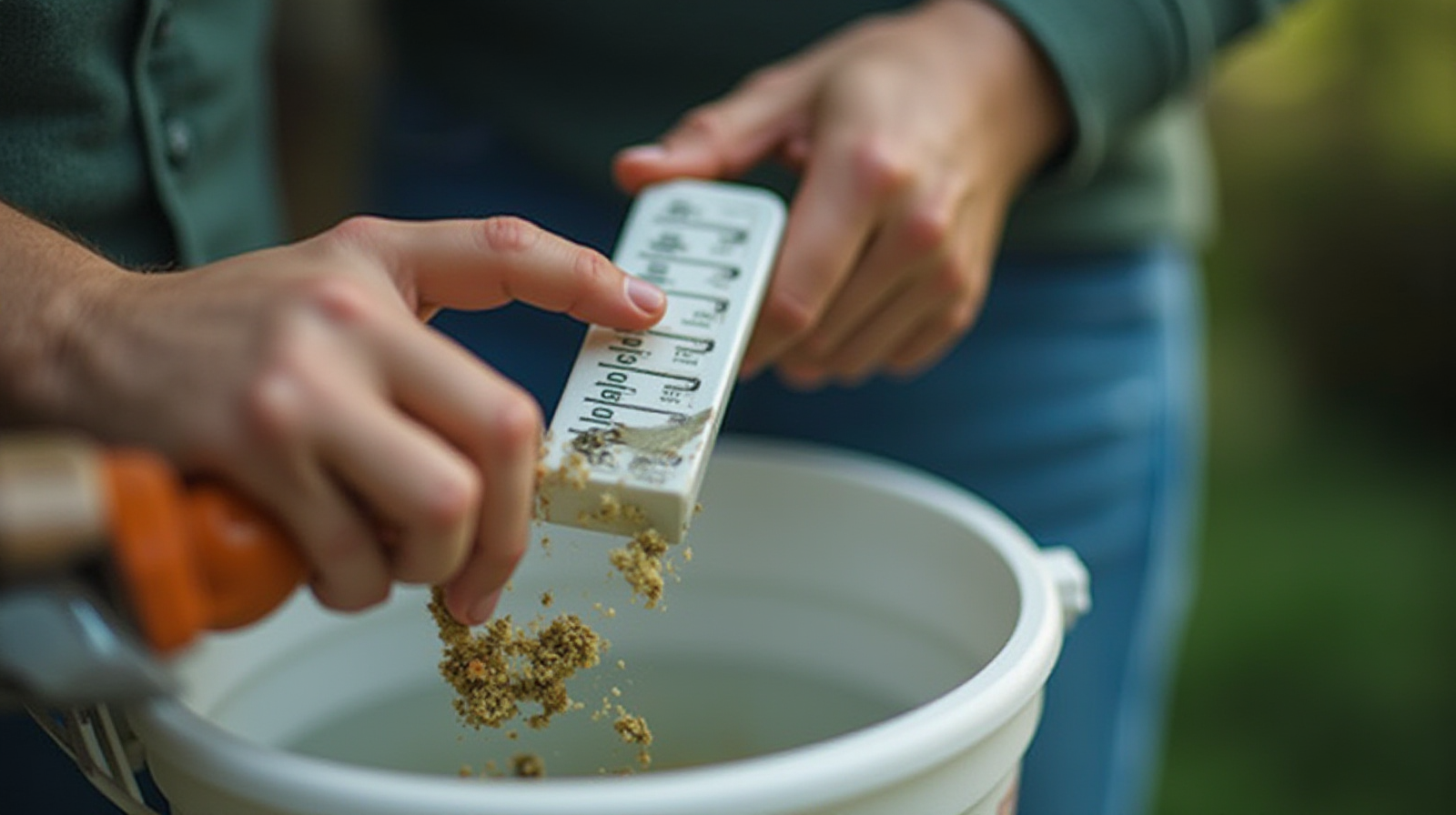
When the lights go out, your internal clock needs to shift to “survival mode.” The first thing you need to do is get oxygen into the water. If you have multiple tanks, prioritize the ones with the highest fish density or those with less surface area for gas exchange.
Here is what I look for in that first hour:
- Check Aeration: Manually stir the surface of the water or use a battery-powered bubbler immediately.
- Temperature Check: If you have heaters, they are off. In many climates, especially during summer months, your temp will start climbing quickly without active cooling.
- Visual Scan: Look for signs of stress. Are fish gasping at the surface? Is there a lot of debris floating?
- Saltwater Specifics: If you run a reef tank, check your flow. Without pumps, detritus can settle on corals very quickly, which can lead to issues later.
Don’t try to “fix” everything in the first hour; just ensure they can breathe and that the water isn’t becoming a furnace or a freezer.
If it’s just a hiccup: Troubleshooting minor dips.
Sometimes the power flickers for ten minutes, and sometimes it stays out for two hours. These “hiccups” are common in many areas, but they still require a walk-through once things come back online. You can’t just flip the switch and go back to sleep. When your pumps kick back on, you need to check that the flow is actually moving where it should be.
Sometimes a surge or a sudden restart can cause a pump to seize or a valve to stick. I always do a quick lap of my room after a brief outage. Is the filter media moving? Is the air stone bubbling at the right rate? If you have high-tech components, check that they didn’t “reboot” into a different mode. A short outage might not kill your fish, but it can disrupt the delicate balance of your filtration cycle if the equipment doesn’t restart correctly. Take five minutes to walk the line and make sure everything is actually running as intended before you consider the situation resolved.
The next day after the blackout: Recovery mode.
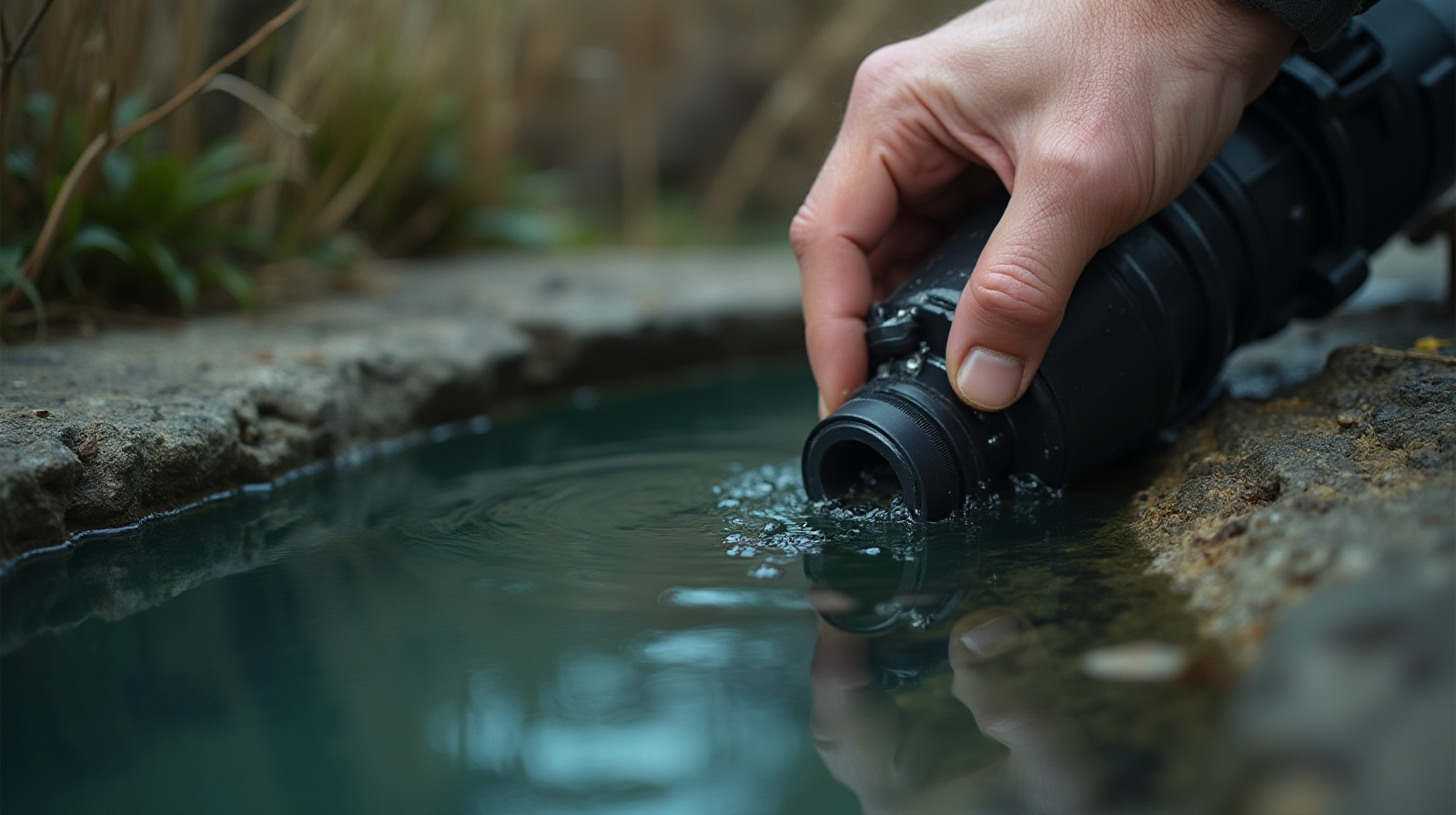
The morning after a long outage is when the “hidden” problems start to show up. When power stays off for a long time, things like pH levels can swing because of lack of circulation, and your beneficial bacteria might take a hit if oxygen levels were low for several hours.
I recommend doing a small, controlled water change—maybe 10% to 20%—the day after a major outage. This helps dilute any ammonia spikes that occurred while the filters were dead. It also gives you a chance to test your parameters thoroughly. Don’t just trust the equipment; actually test the water. Look for signs of stress-induced issues, like fish hiding more than usual or changes in behavior. If the power was out long enough for temperatures to swing wildly, it might take a few days for the livestock to settle back into their normal routine. Be patient and keep an eye on them closely for 48 hours after the lights come back on.
Freshwater vs. Saltwater panic points (A quick comparison)
While both types of tanks need oxygen and stable temperatures, the “panic points” differ based on what is living in the water. In a freshwater tank, your biggest concern during a blackout is usually gas exchange for high-bioload fish like goldfish or large cichlids. If the pump stops, they need surface agitation immediately to stay alive.
In saltwater systems, the stakes are often higher because of the complexity of the life forms. A reef tank without flow can lead to “dead zones” where waste builds up on coral tissue in minutes.
| Feature | Freshwater Focus | Saltwater Focus |
|---|---|---|
| Primary Concern | Oxygen levels & Ammonia spikes | Circulation & Coral health |
| Temperature Sensitivity | Moderate (depends on species) | High (corals are very sensitive) |
| Critical Failure Point | Lack of aeration in heavy loads | Loss of flow/movement in reef zones |
In a freshwater setup, you can often get away with a “good enough” aerator. In saltwater, if your pumps stay off for more than an hour, the lack of movement becomes a major problem for both the livestock and the chemistry. Knowing which one you’re dealing with helps you decide where to focus your energy first when the lights go out.
Source: AquaticRig
Get new newsletter issues, guides, and product updates by email.