Peacock Gudgeon: Thinking Beyond Just How Pretty They Are
Written by Diamond Dave — October 31, 2026
Using their natural behaviors to build a stable community tank.
The newsletter for intermediate freshwater keepers who want predictable fish behavior without constant fussing.
First impressions: Why these guys are more than just pretty colors
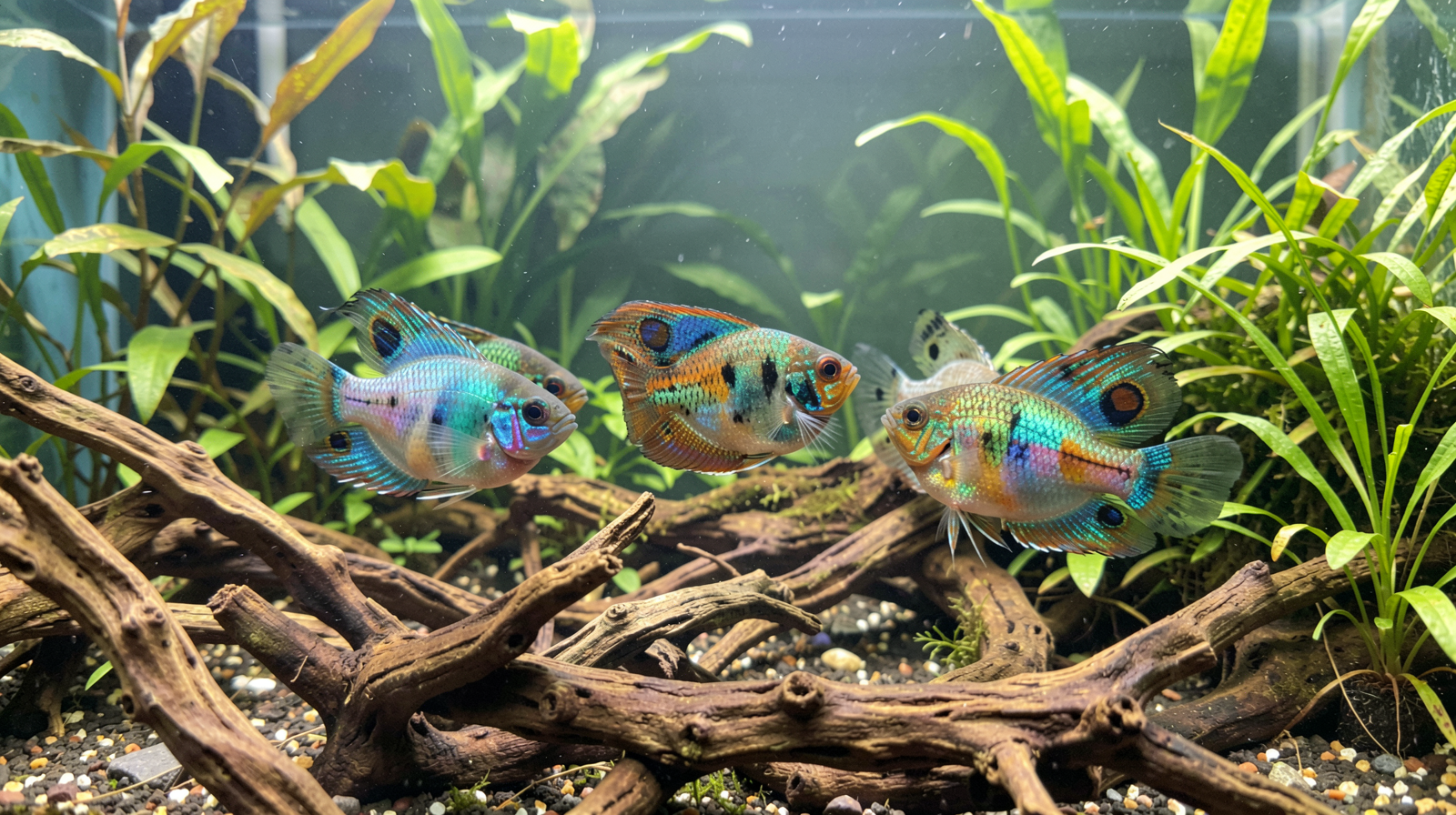
When you first see a Peacock Gudgeon on a shelf at the local fish store, it’s easy to get caught up in that flash of color and their sleek shape. They look like they belong in any community tank, and for the most part, they do. But I’ve learned over the years that if you only buy them because they look good, you might end up with a frustrated fish or a messy tank layout. These aren’t “set it and forget it” decorations; they are active, intelligent fish with specific ways of moving through their environment.
I used to think a big open space was the best way to show them off, but I quickly realized that without some structure, they can get restless or start picking on smaller inhabitants. You have to look past the scales and think about how they actually live in the wild—which involves plenty of hiding spots and a bit of “personal space.” If you’re planning to bring these guys into your home, your first goal shouldn’t be making them the center of a stage; it should be creating a home that feels natural for them.
Reading the manual on their habits (The good and the tricky parts)
Understanding how Peacock Gudgeons behave is key to keeping them happy without constant stress. They are generally peaceful, but they aren’t “passive.” They have some interesting instincts that can cause hiccups if you aren’t prepared for them. For one, they can be quite territorial when it comes to their favorite hiding spots or breeding sites. If you put too many in a small space with limited cover, they will start nipping at each other.
Another thing to keep in mind is their parental instinct. If they decide to breed, they can get very protective of the fry. This means that while they are great community fish, they might not be the best choice if you are trying to run a “shrimp-only” or small fry tank where they might see those smaller creatures as a snack. They aren’t aggressive hunters like some larger cichlids, but they will definitely pick off anything small enough to fit in their mouths. Knowing these quirks helps you set up the right boundaries from day one.
Making sure they have places to hide out
One of the biggest mistakes I made early on was keeping my tanks too “clean” and open. For a Peacock Gudgeon, an empty tank is a stressful tank. They need to feel like they can disappear when they want to. This doesn’t mean you need to turn your aquarium into a jungle where you can’t see the fish at all, but it does mean providing varied textures and heights.
I recommend a mix of driftwood and live or silk plants. Driftwood is great because it creates natural crevices that aren’t just “holes” in a wall; they provide different types of cover. When placing your rocks and wood, try to stagger them. You want to create a path through the tank so they can move from one area to another without feeling exposed in the middle. A good rule of thumb is to have at least three distinct “zones” where a fish could duck out of sight if it felt bothered by a neighbor or just wanted some privacy.
What about the neighbors? Choosing roommates that get along
Choosing tank mates isn’t just about making sure everyone can breathe in the same water; it’s about how they interact when they aren’t being watched. Because Peacock Gudgeons are active and have those territorial tendencies, you want to pair them with fish that share a similar “vibe.” You want companions that won’t challenge them for space but also won’t be bullied by them.
I usually look for schooling fish that stay in the middle or upper layers of the tank to give the Gudgeons their own territory near the bottom and mid-levels. Here is a quick way I think about compatible roommates:
| Fish Type | Compatibility Note | Why it works |
|---|---|---|
| Rasboras | High | They stay in schools and don’t compete for floor space. |
| Corydoras | High | They occupy the bottom but are generally too small to be a threat. |
| Neon Tetras | Medium/High | Good, but ensure there is enough cover so they aren’t harassed. |
| Large Cichlids | Low | These can be too aggressive or dominant for the Gudgeons. |
Keeping things clean when they’re acting their natural selves
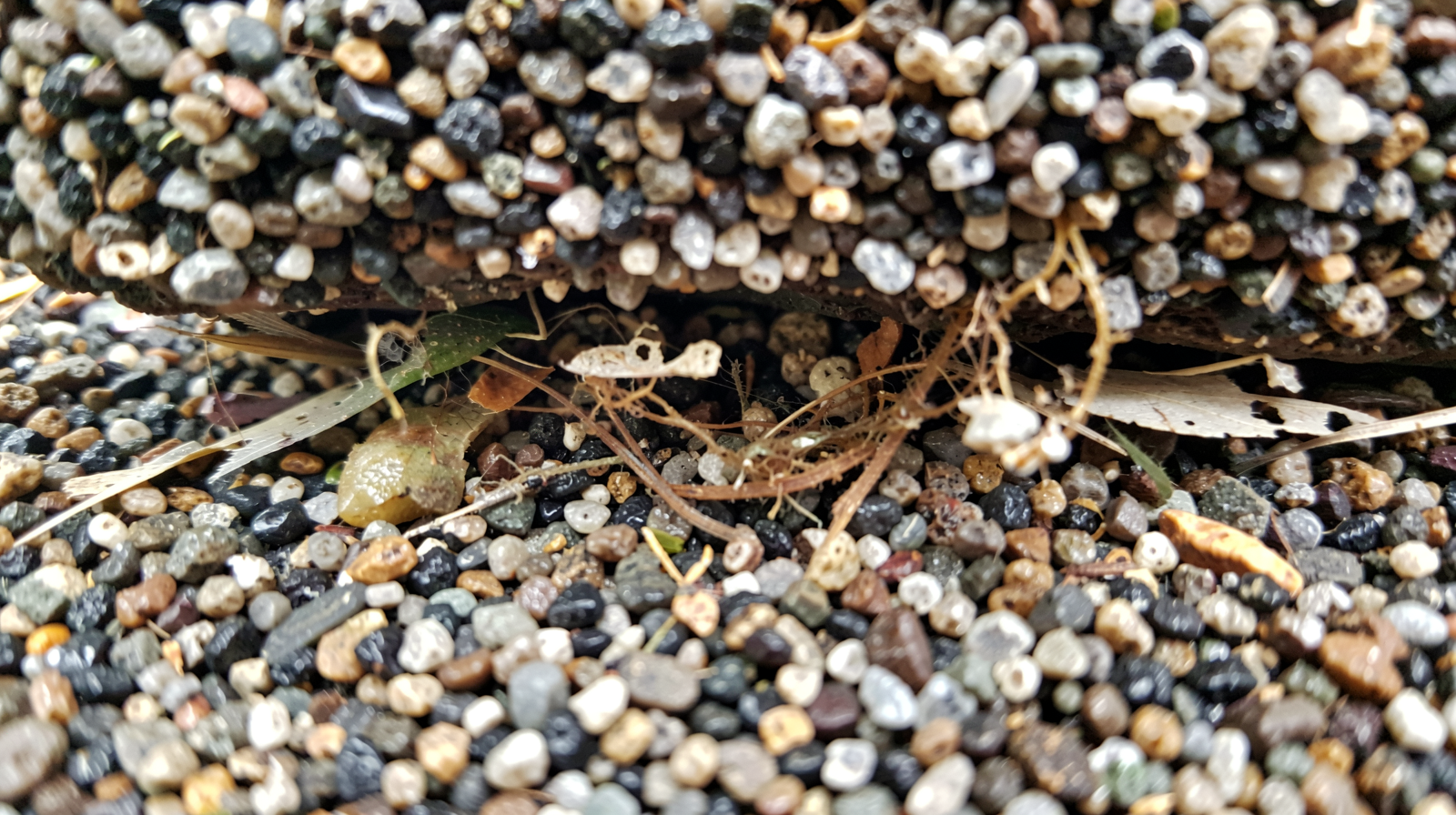
When you have active fish like Peacock Gudgeons, your maintenance routine changes slightly because of how they interact with their environment. Because they are foragers and explorers, they will move substrate around and constantly “rearrange” the decorations. This can lead to more debris being kicked up into the water column than if you had slower-moving fish.
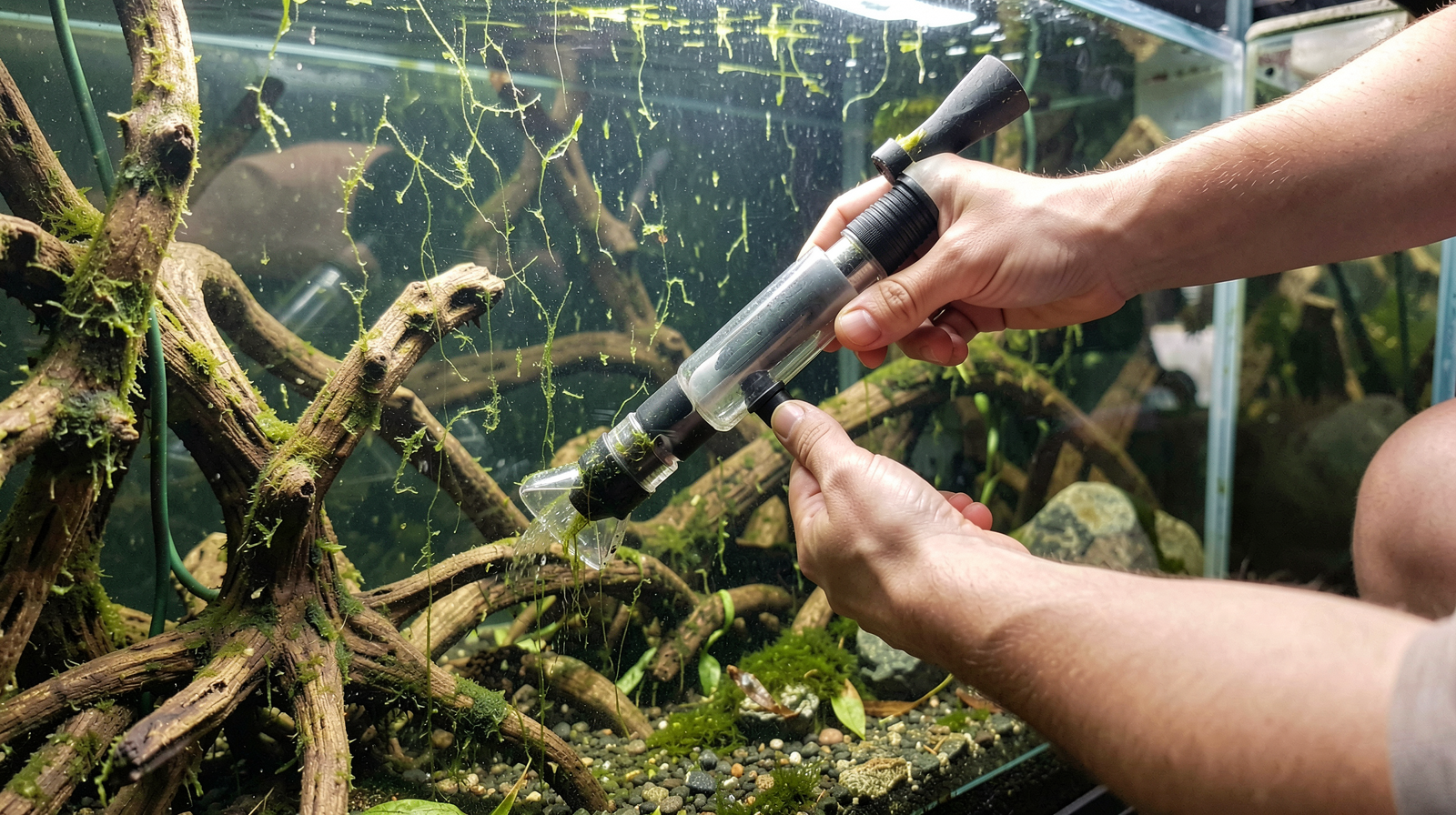
To keep things running smoothly without spending all day cleaning, I suggest focusing on two things: surface area for beneficial bacteria and consistent vacuuming. Since they are active, your filter needs to be able to handle the waste they produce from constant swimming and grazing. During your weekly water change, pay extra attention to the areas where you have heavy driftwood or plants, as these spots tend to collect more organic matter when fish are constantly moving through them. A quick vacuum of the gravel helps keep their “home” looking sharp and keeps the nitrate levels stable.
Bottom line: Keep it simple for a happy tank life
At the end of the day, keeping Peacock Gudgeons isn’t about over-complicating things with high-tech gadgets or complex chemistry. It’s about observation. They are hardy enough that they don’t need “boutique” care, but they need an environment that respects their natural behaviors. If you see them hiding constantly, they might be stressed; if they are constantly nipping at each other, you probably need more plants or a larger footprint.
If you want to get these guys started right, here is my basic checklist:
- Provide plenty of driftwood and leafier plants for cover.
- Choose tank mates that school together rather than solitary, aggressive fish.
- Keep the water parameters stable rather than trying to hit “perfect” numbers every hour.
- Watch their body language—if they look calm and are exploring the tank freely, you’ve done a good job.
Take it slow with your additions and let them get used to their new home before making any big changes.
Source: Aquatic Arts
Get new newsletter issues, guides, and product updates by email.