
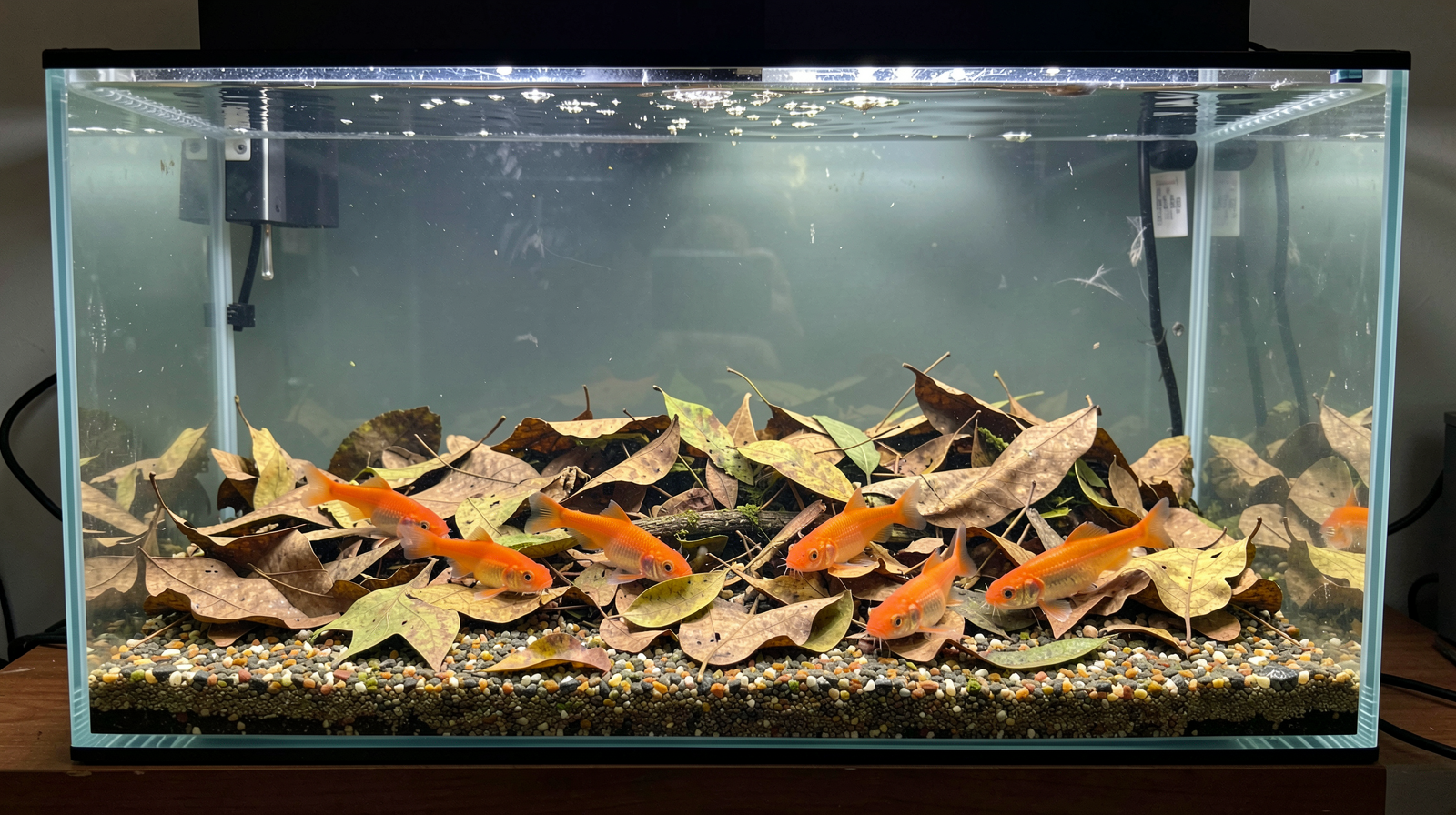
Let's Talk Cory Cats: More Than Just Pretty Colors
Written by Diamond Dave — October 30, 2026
Understanding how these foragers make your community tank feel alive.
The newsletter for freshwater keepers who want their fish to act like they actually live in the tank.
What are these guys really doing down there?
When you first see a pair of Orange Venezuelan Cory Cats in a tank, it’s easy to just appreciate that pop of color against the substrate. But if you watch them for more than a few minutes, you’ll notice they aren’t just hanging out; they are working. In the wild, these guys are foragers. They spend their lives scouring the bottom of riverbeds and lakesides, looking for bits of organic matter, small invertebrates, and whatever else falls into the silt.
In your home aquarium, that instinct doesn’t just disappear because they’re in a glass box. They want to be busy. When they are active, darting around and nudging things with their snouts, it means they feel comfortable enough to act naturally. If you see them huddled in one corner or looking lethargic, something is usually off with the environment or the water quality. Understanding that they are “bottom-dwellers” helps you realize why they spend so much time on the floor of the tank—it’s where their life happens.
Making sure they have something interesting to dig for
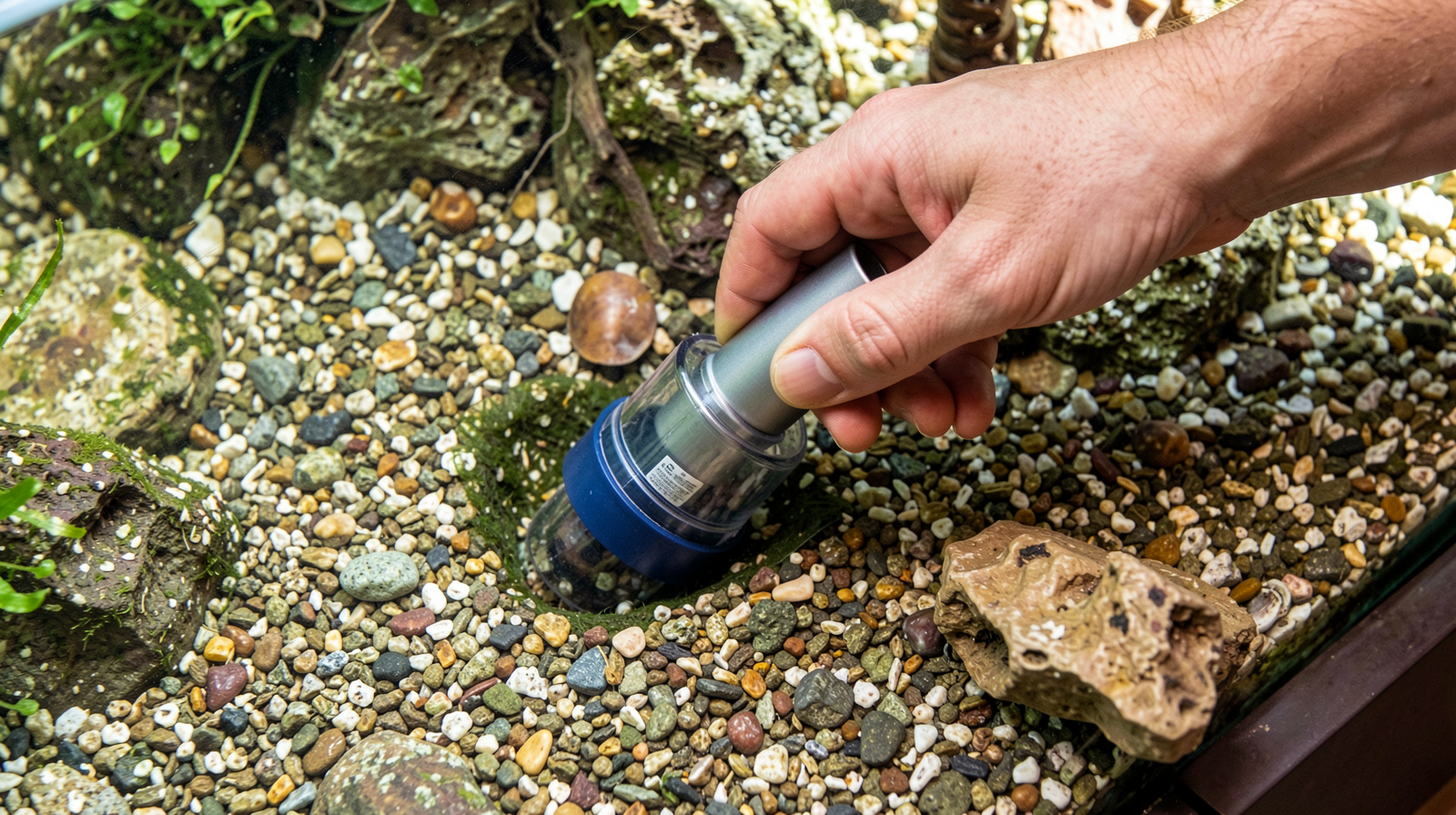
One thing I learned early on in my own tanks is that a perfectly smooth, sterile floor is actually pretty boring for a Cory cat. If there’s nothing to poke at or move around, they can get restless. You want a substrate that allows them to do what they were born to do: forage. This usually means avoiding those tiny, sharp gravel pieces that can irritate their sensitive whiskers and bellies. Instead, I usually go with a larger, smooth river stone or a specialized sand mix.
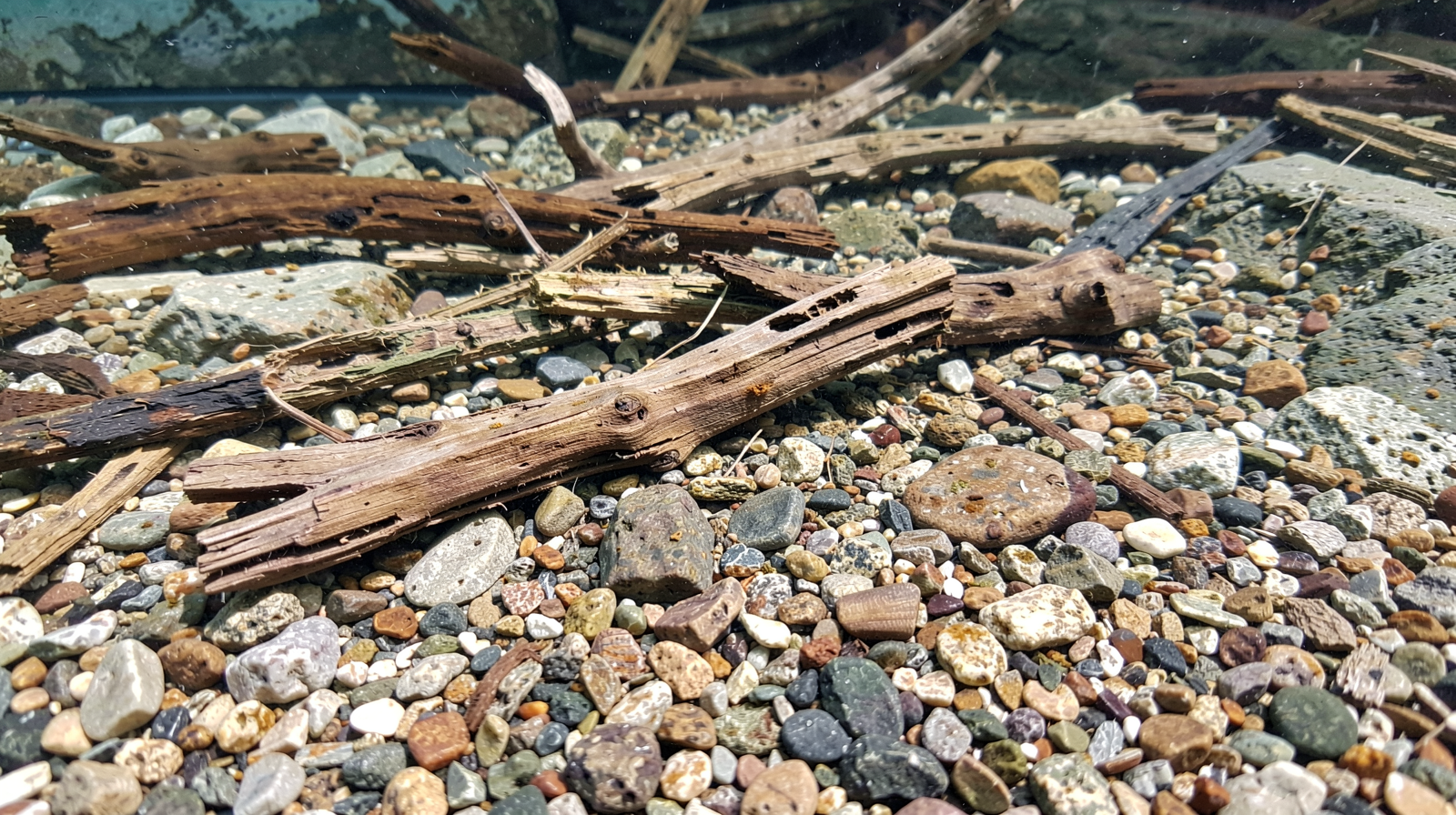
You also want some “clutter” on the floor—not so much that it becomes a maze they can’t navigate, but enough to give them different spots to explore. Think of it like a backyard; you don’t want just flat grass everywhere. Adding a few smooth rocks or pieces of driftwood helps break up the space and gives them different areas to investigate. It keeps them engaged and mimics that natural “messiness” they’re used to in a riverbed.
Don’t feed them fancy snacks all day long—balance is key
It’s tempting to want to give your fish the “best” food every single time you go to the tank, but with Cory cats, balance is everything. Because they are foragers, they thrive on a variety of textures and sizes. While I love a good high-quality sinking pellet or flake for their daily meal, we have to be careful not to overfeed them just because they’re “hungry” foragers.
The goal is to supplement their natural behavior without letting them get bloated or causing water quality issues from rotting food. You want to provide a consistent base of nutrition—balanced flakes and pellets that sink—and maybe occasionally toss in some high-quality sinking wafers designed for bottom feeders. If you’re constantly throwing in “treats” because they seem active, you might end up with a messy tank and overfed fish. Let them do their natural work on the floor first before expecting them to come up for every single morsel of food.
Keeping the group dynamic right (and avoiding bad neighbors)
Cory cats are social creatures by nature. They feel much more secure when they have buddies nearby, which is why I always recommend keeping them in groups rather than as a lone pair or a single individual. However, “group” doesn’t mean you can just cram twenty of them into a small space. You need to make sure there’s enough floor real estate for everyone to forage without constantly bumping into each other. If the tank is too crowded, they can get stressed, and that stress shows up in their behavior pretty quickly.
You also have to think about who else lives in your community tank. Since these guys are active on the bottom, you want to make sure they aren’t being bullied by larger, more aggressive bottom-dwellers or getting nipped by overly territorial fish. A good rule of thumb is to ensure that the “neighborhood” feels spacious enough for everyone to have their own zone.
A quick checklist before you bring them home
Before you head out to grab your new Cory cats, take a second to look at your current setup and make sure it’s ready for them. It’s much easier to check these things now than to try to fix a struggling tank later. Here is a quick list of what I look for in my own setups before adding more bottom-dwellers:
- Substrate Safety: Are the stones large enough that they won’t get stuck between them? (Ideally, pieces should be larger than the fish’s head).
- Tank Volume: Do you have enough floor space for a group of at least 3 to 5?
- Water Stability: Is your ammonia and nitrite at zero? Cory cats are hardy, but they still need clean water.
- Flow Rate: Is the current too strong? These guys prefer moderate flow; if it’s like a river rapids in your tank, they might struggle to stay put.
If you aren’t sure about any of these points, it’s always better to double-check before adding new life to the water.
Source: Aquatic Arts
Get new newsletter issues, guides, and product updates by email.