
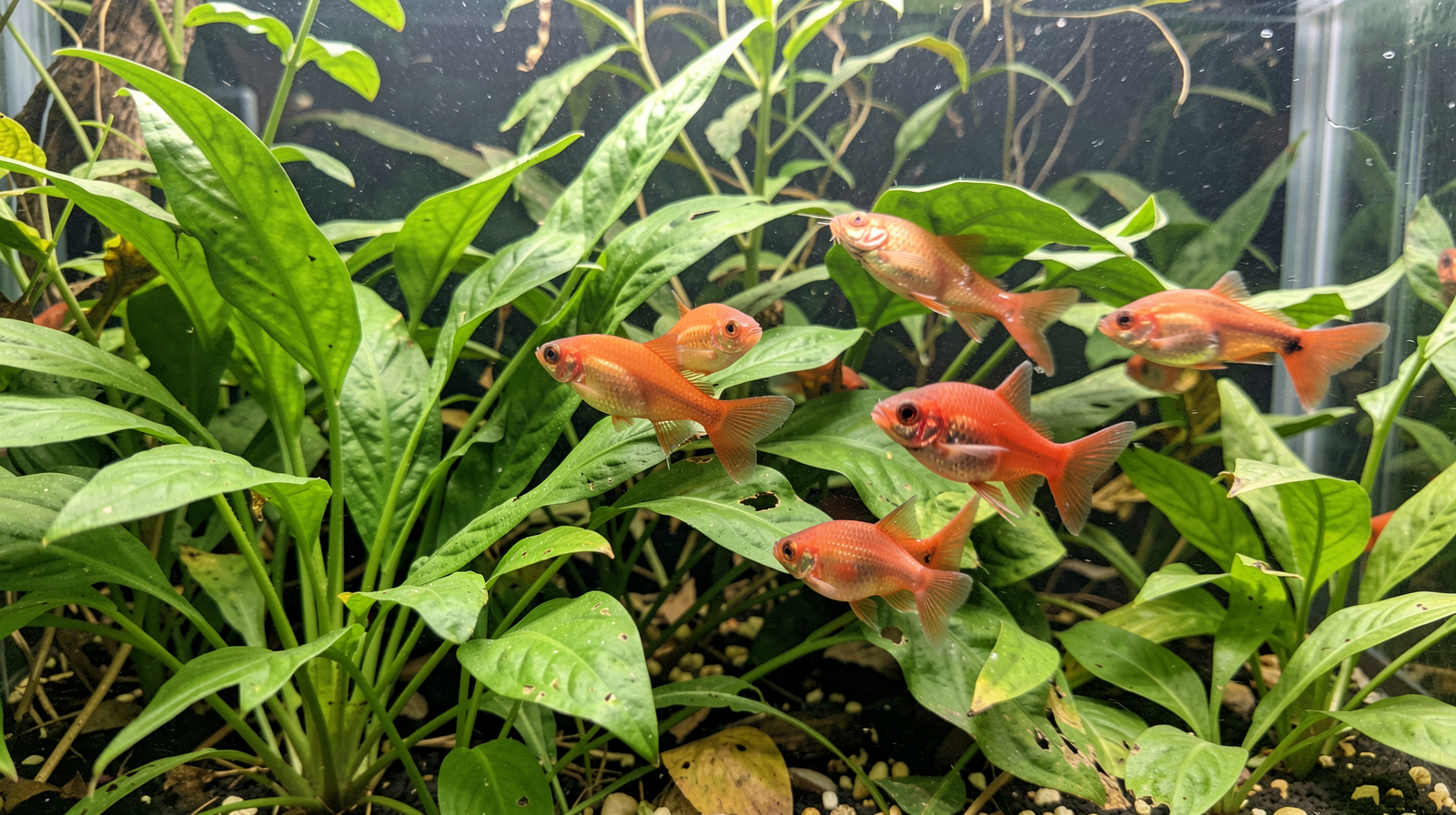
Honey Gouramis: More Than Just Pretty Faces in Your Tank
Written by Diamond Dave — November 10, 2026
Understanding their natural behaviors—like air-breathing and exploring—to make them good neighbors for your existing freshwater crew.
The newsletter for community freshwater keepers who want their fish to act naturally without causing chaos or stress.
Quick rundown: Why are these little guys more than just pretty colors?
I see a lot of people pick up Red Honey Gouramis because they have that beautiful orange-gold hue and those flowing fins. They look great in photos, but if you only focus on the color, you’re going to run into some frustration once they’re actually in your living room. These aren’t just “set it and forget it” fish like a common molly or a hardy danio. To keep them happy—and to make sure they don’t get stressed out—you have to understand that they are naturally active, inquisitive creatures with some pretty specific biological quirks. They behave differently than most community fish because of how they interact with the water and their surroundings. If you want them to be long-term residents rather than a quick hobbyist “flavor of the month,” you need to plan for their personality as much as their appearance.
Air breathing and exploring: What does this mean for your tank setup?
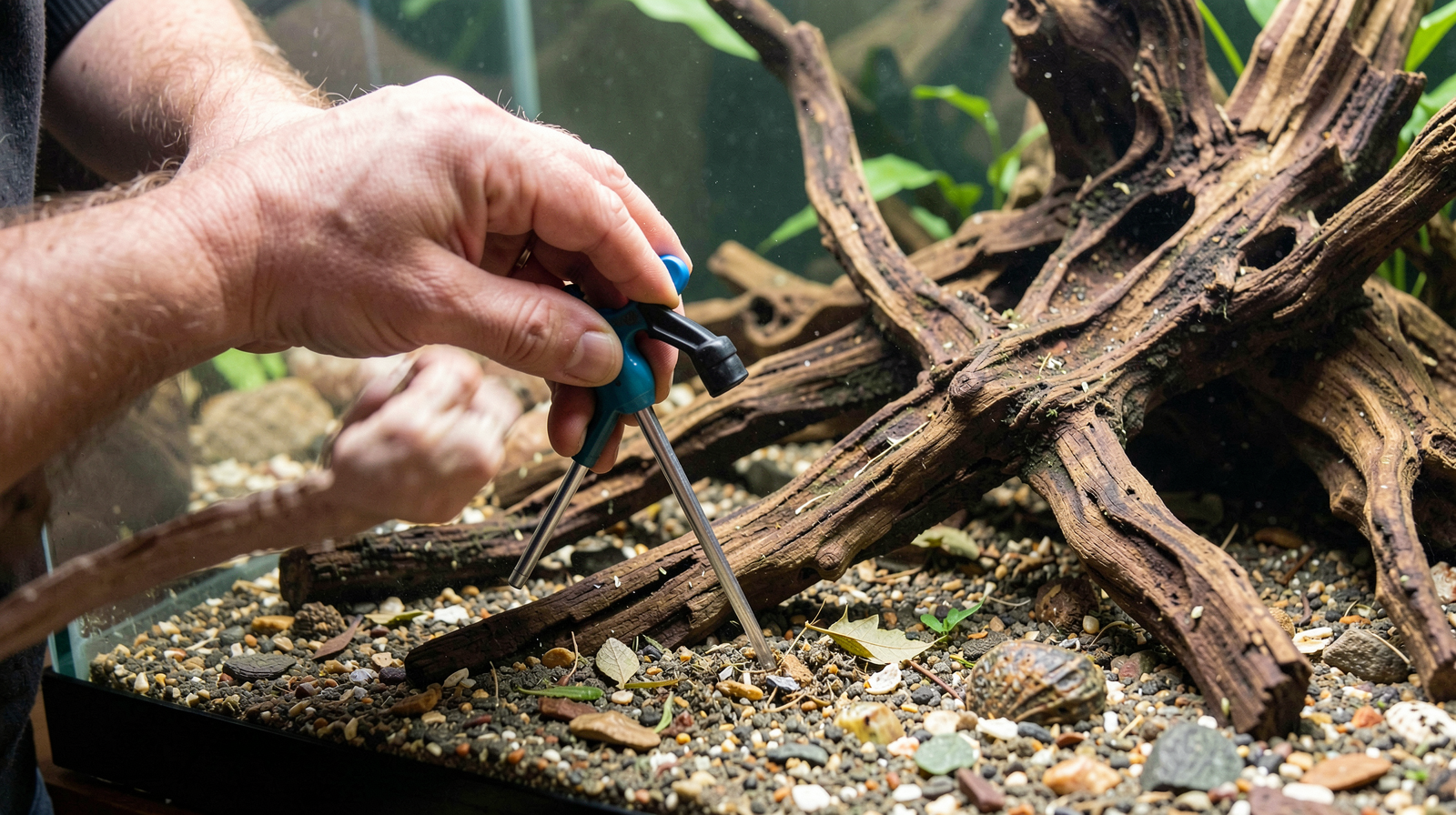
One thing that trips people up is how Honey Gouramis handle oxygen. They are a type of labyrinth fish, which means they have an organ that lets them breathe air from the surface. In my experience, this means you don’t need to go overboard with high-powered surface agitators or massive bubbles that create a violent “washing machine” effect at the top. However, it does mean they need clear access to the surface without being trapped by heavy floating plants or thick foam.
On the exploration side, these guys like to roam. They aren’t bottom dwellers who stay in one corner. You want a setup that offers some horizontal space for them to cruise around. If your tank is too cramped, they can get nippy or stressed. I usually aim for a moderate flow—enough to keep the water moving and oxygenated, but not so much that it makes it hard for them to hold their position near the surface.
Getting along with the neighbors (Compatibility talk)
This is where things can get tricky if you’re just throwing fish into a tank based on what looks good together. Honey Gouramis are generally peaceful, but they aren’t “passive” in every situation. They can be bit territorial over their favorite hanging spots or feeding zones. If you have very small, fast-moving fish like neon tetras, the gourami might occasionally try to “herd” them or nip at them if they get too bold.
I’ve found that they do best with medium-sized community fish that can hold their own but aren’t aggressive enough to cause a fight. Think about:
- Good Neighbors: Corydoras (bottom dwellers keep the layers separate), larger Barbs, or other peaceful species like Angelfish (if sized correctly).
- Potential Issues: Very small fry (they will eat them) or extremely aggressive cichlids that might bully the gourami out of their preferred spots.
The key is to ensure there’s enough “real estate” in the tank so everyone has a zone they feel comfortable in. If the tank feels crowded, even peaceful fish start looking for something to pick on.
The nesting/territory bit: Keep it simple.
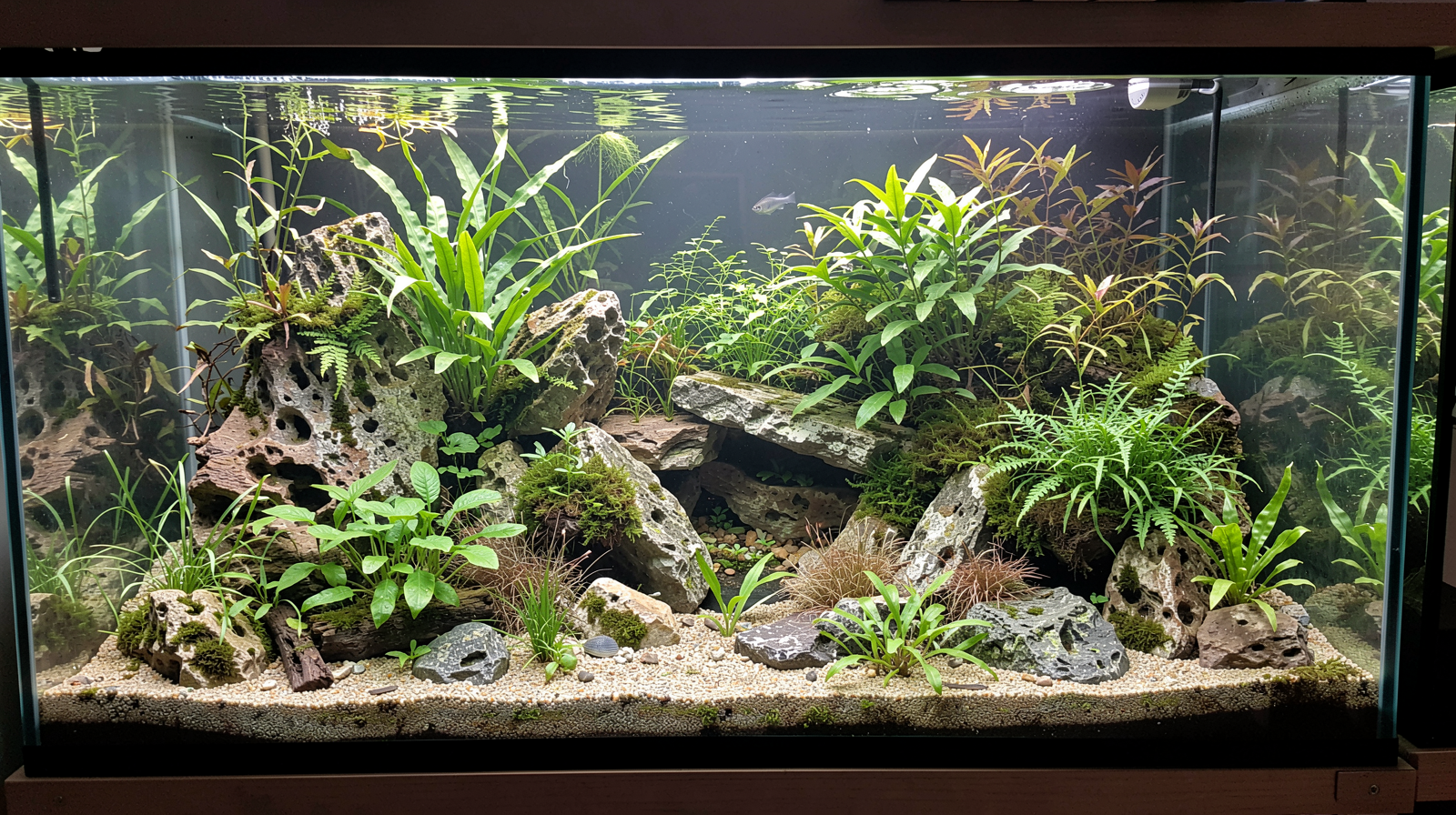
Because Honey Gouramis have those instincts to establish territory and potentially nest, you need to give them somewhere to “claim.” In my tanks, I find that providing a few distinct areas—like a large piece of driftwood or a cluster of tall plants in one corner—helps satisfy that urge without them feeling the need to guard every inch of the glass.
You don’t need to build a complex nesting site for them, but having some structure is vital. If they feel like they have a “home base,” they tend to be much calmer. Just keep an eye on things; if you see them becoming overly aggressive toward another fish in a specific spot, it might be time to move a piece of decor around or add more hiding spots to break up the line of sight. It’s about giving them options so they don’t feel forced into a confrontation over one single rock.
The common mix-up: Making sure you know what species you have.
It is very easy to get confused when shopping for these fish, especially since there are several “Honey” varieties and similar-looking gouramis on the market. For example, people often confuse the Red Honey Gourami with other types of dwarf gouramis or even certain types of swordtails if they aren’t looking closely at the fin shape and body proportions.
Why does this matter? Because different species have vastly different requirements for water chemistry and temperature. If you think you bought a hardy honey variety but actually ended up with something more sensitive, your fish might start showing signs of stress within days. I always tell people to double-check the common name and scientific name (like Trichogaster chuna) before you commit. Knowing exactly what’s in your tank prevents a lot of “why is my fish acting weird?” headaches down the road.
A quick checklist for keeping things balanced
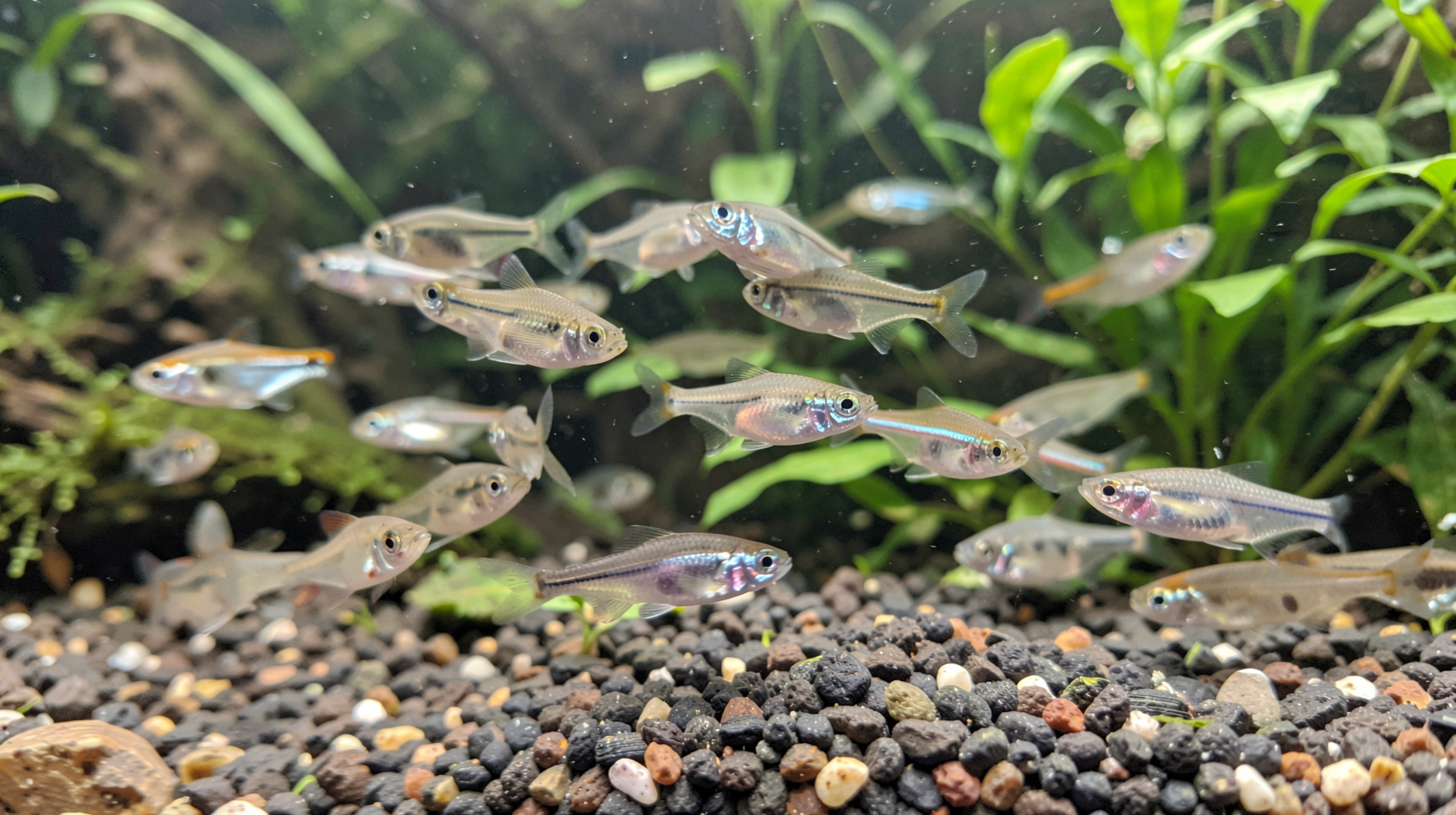
To keep your Honey Gouramis thriving without making your life harder, I’d recommend focusing on these four areas during your next setup check:
| Feature | Goal/Requirement | Why it matters |
|---|---|---|
| Surface Access | Clear path to the top | Allows for natural air breathing. |
| Flow Rate | Moderate, not violent | Keeps water clean without stressing them out. |
| Decor | Varied heights and “zones” | Reduces territorial aggression by providing options. |
| Tank Mates | Medium-sized & peaceful | Ensures a stable social dynamic in the tank. |
If you’re still feeling unsure about how to arrange your specific layout or if you’re worried about a certain fish you already own, feel free to reach out and we can talk through it.
Source: Aquatic Arts
Get new newsletter issues, guides, and product updates by email.