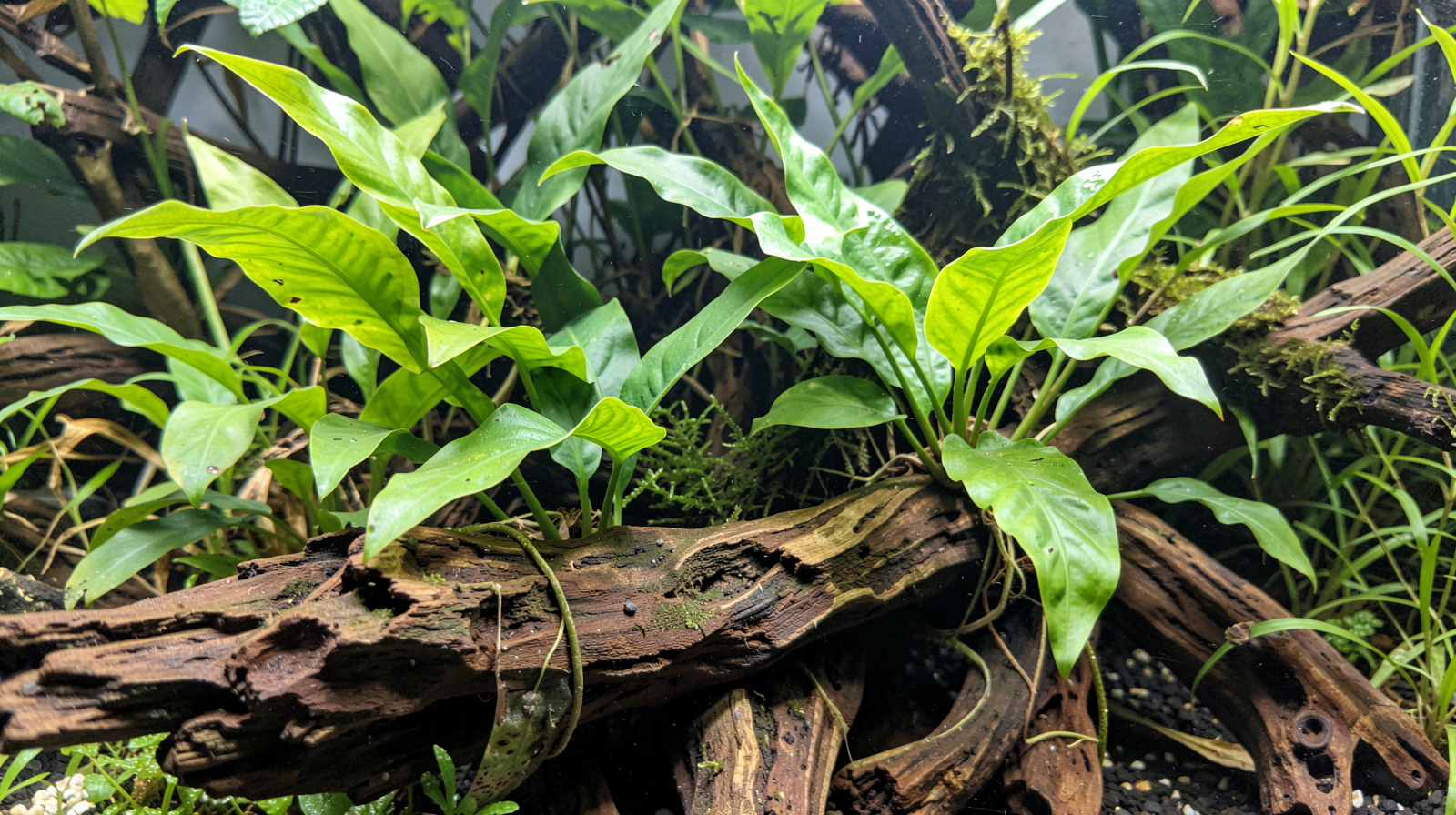
Getting Java Fern Stuck: A Beginner's Guide to Mounting and Keeping Them Alive
Written by Diamond Dave — October 27, 2026
Where do you put it? How do you keep the leaves looking good?
The newsletter for new freshwater tank owners who want beautiful plants without spending hours on maintenance.
Why Java Fern is Great for Beginners (and why it doesn’t need much fuss)
If you are just starting out and feeling overwhelmed by all the “high-tech” setups people show on social media, I always point folks toward Java Fern. It’s one of those plants that actually does what it says on the tin: it grows in most standard home tanks without needing a specialized CO2 system or intense studio lighting.
In my own experience, many beginners get discouraged because their first few plants turn into mush. Java Fern is much more forgiving. It’s a hardy, slow-growing species that handles various water conditions well enough to give you some breathing room while you learn the ropes of your tank’s nitrogen cycle. Because it doesn’t demand perfect parameters to survive, it lets you focus on the basics—like keeping your ammonia low and your temperature steady—without the pressure of a dying “prestige” plant every week. It’s reliable, and honestly, one of the best ways to add some greenery without the stress.
How to Actually Stick It On: Mounting Methods That Work
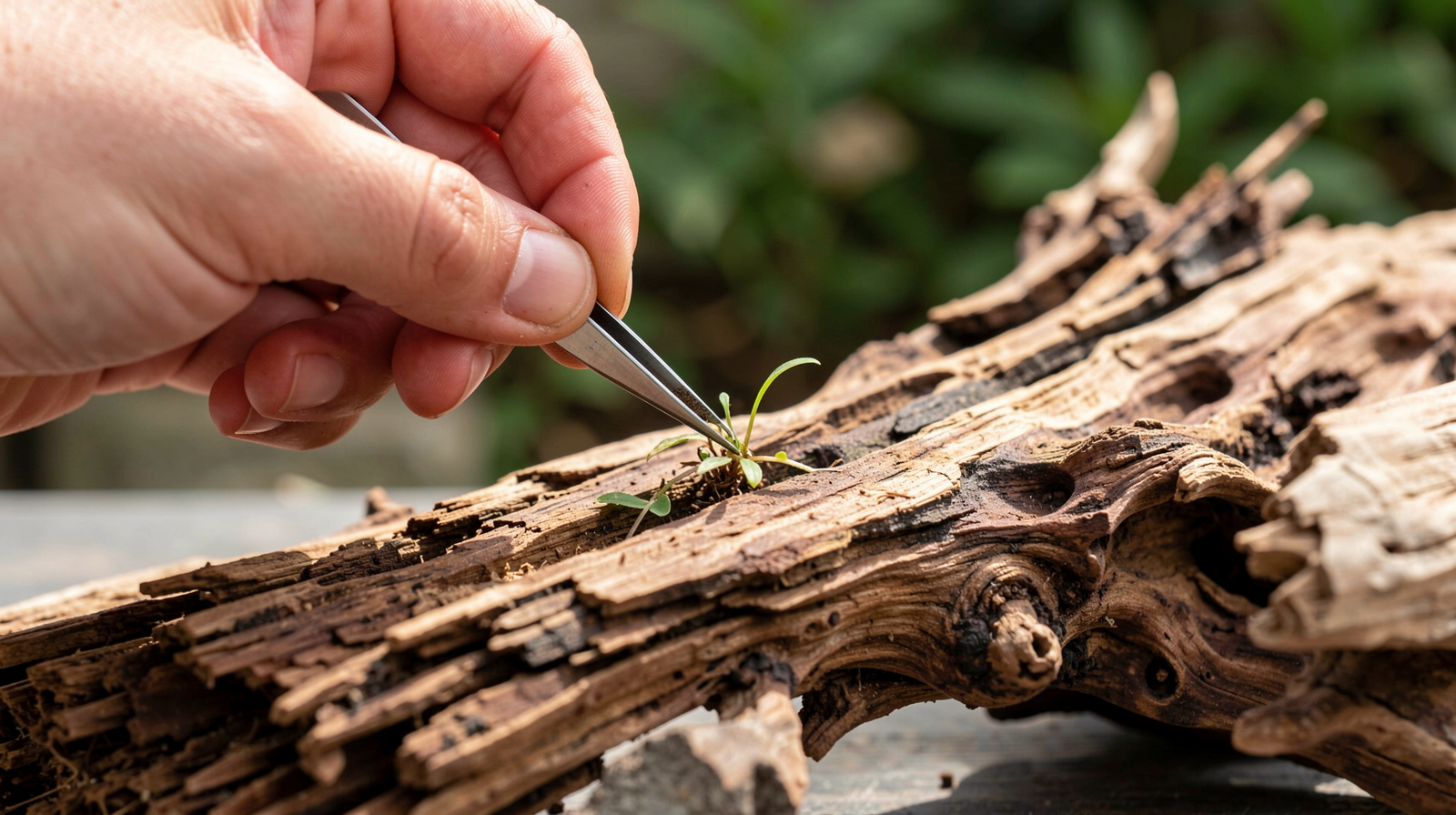
The biggest mistake I see beginners make with Java Fern is planting it in the substrate like a regular bush. You don’t want to do that; you can actually damage its rhizome—that thick horizontal stem—and that’s how you end up with a rotting plant. Instead, you want to mount it on hardscape like rocks or driftwood.
There are three main ways I’ve used over the years:
- Tying: This is my go-to for most setups. Use some nylon fishing line or a bit of cotton thread to wrap the rhizome around a rock or piece of wood. It’s secure and doesn’t use any chemicals.
- Glueing: If you have a really stubborn piece of driftwood, a small dab of cyanoacrylate (super glue) can work. Just be careful not to get it on the leaves themselves.
- Wedging: Sometimes you can just tuck the rhizome into a crevice in your rockwork where it stays put naturally.
The goal is to keep that horizontal stem above the gravel so it can breathe and grow outward. If it’s buried, it’s going to struggle.
Water Quality 101 for Ferns: What They Like (and what they hate)
While Java Fern isn’t “picky” in the way some tropical plants are, they do have preferences that keep them looking healthy. They generally prefer freshwater that is slightly acidic to neutral. If your water is swinging wildly in pH or hardness every few days, you’ll notice the leaves starting to look dull or lose their vibrant green color.
Stability is more important than hitting a specific number on a test kit. You want to avoid harsh chemical swings caused by over-treating for algae or using too many water conditioners at once. They also appreciate decent water flow. Since they aren’t “fast” growers, they rely on the moving water to bring nutrients and oxygen to their leaves. If the water in your tank is completely stagnant near where you’ve mounted them, they might start to look a bit limp over time.
Spotting Trouble: Is that melt normal or is something wrong?
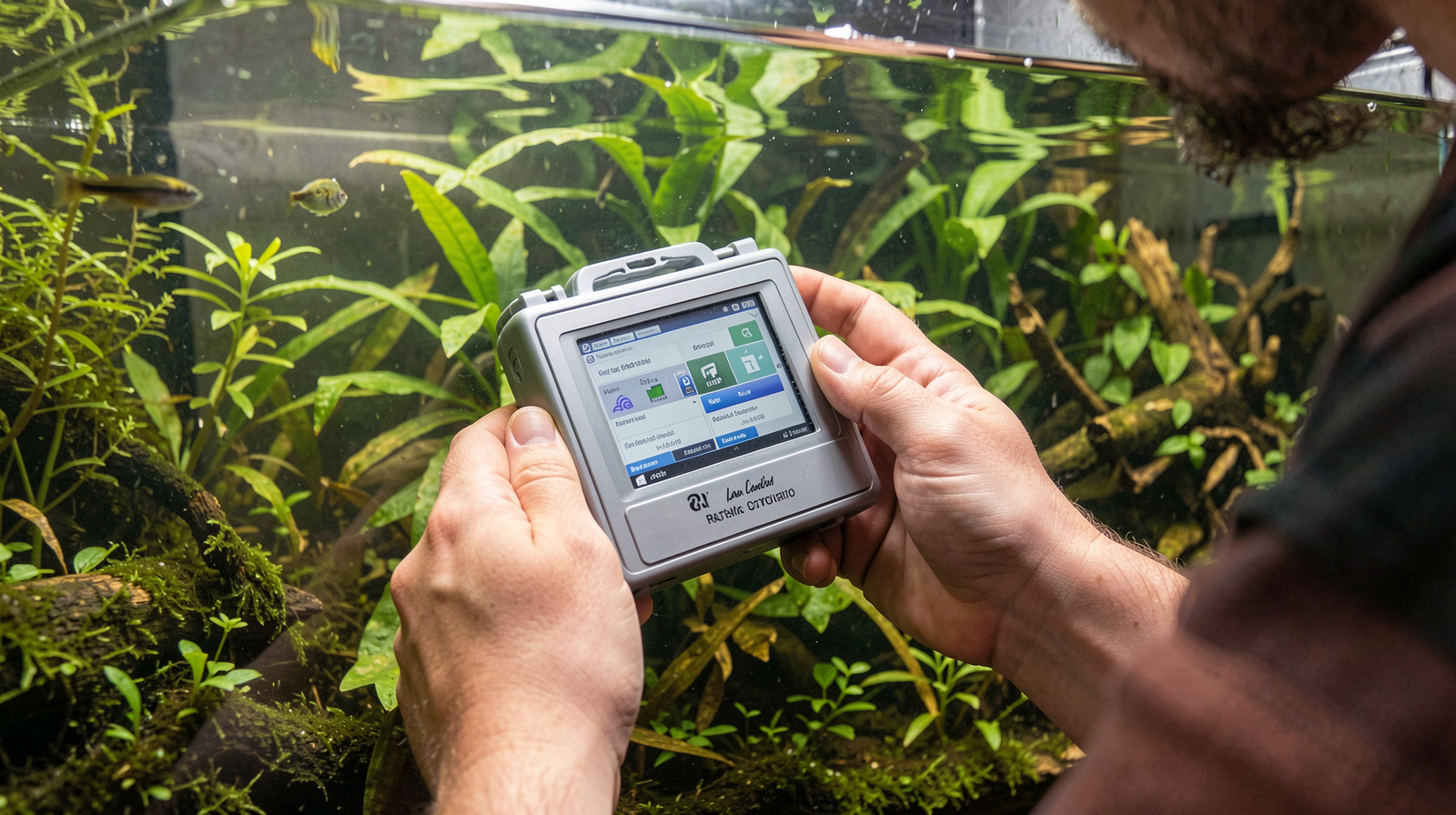
One of the hardest things for a new hobbyist to figure out is whether a plant is dying or just changing. Java Fern can be a bit dramatic with its leaves, and “melting” (where the leaf turns translucent or brown and falls off) happens.
Here is how I tell the difference in my tanks:
- Normal Shedding: If an old leaf at the base of the plant turns yellow-brown and falls off while new growth is appearing further out, that’s just the plant’s natural cycle. It’s moving on.
- Stress/Rot: If you see a brand new leaf turning mushy or translucent within days of it growing, something is wrong. This usually means the water quality is dipping, there isn’t enough flow, or the rhizome was damaged during mounting.
If the plant looks like it’s rotting from the center outward, check your ammonia levels and see if you can increase the circulation in that specific corner of the tank.
A Quick Checklist Before You Buy More Plants
Before you head out to grab a handful of new plants for your setup, I always tell people to take a second to look at their current environment. It’s easy to get excited about new additions, but it’s better to have one healthy plant than five dying ones. Check these three things first:
| Factor | What to Look For | Why it Matters |
|---|---|---|
| Water Stability | Are your nitrates and ammonia staying consistent? | Fluctuating chemicals stress the roots/rhizomes. |
| Flow Patterns | Is there enough movement around your hardscape? | Ferns need oxygenated water to stay crisp. |
| Substrate Space | Do you have room for more, or is it getting crowded? | Overcrowding can lead to algae blooms and slow growth. |
If those three things are solid, then you’re in a great position to start adding more variety to your tank. If not, stick with the Java Ferns for a while longer until the environment settles down.
Source: AquaticRig
Get new newsletter issues, guides, and product updates by email.