
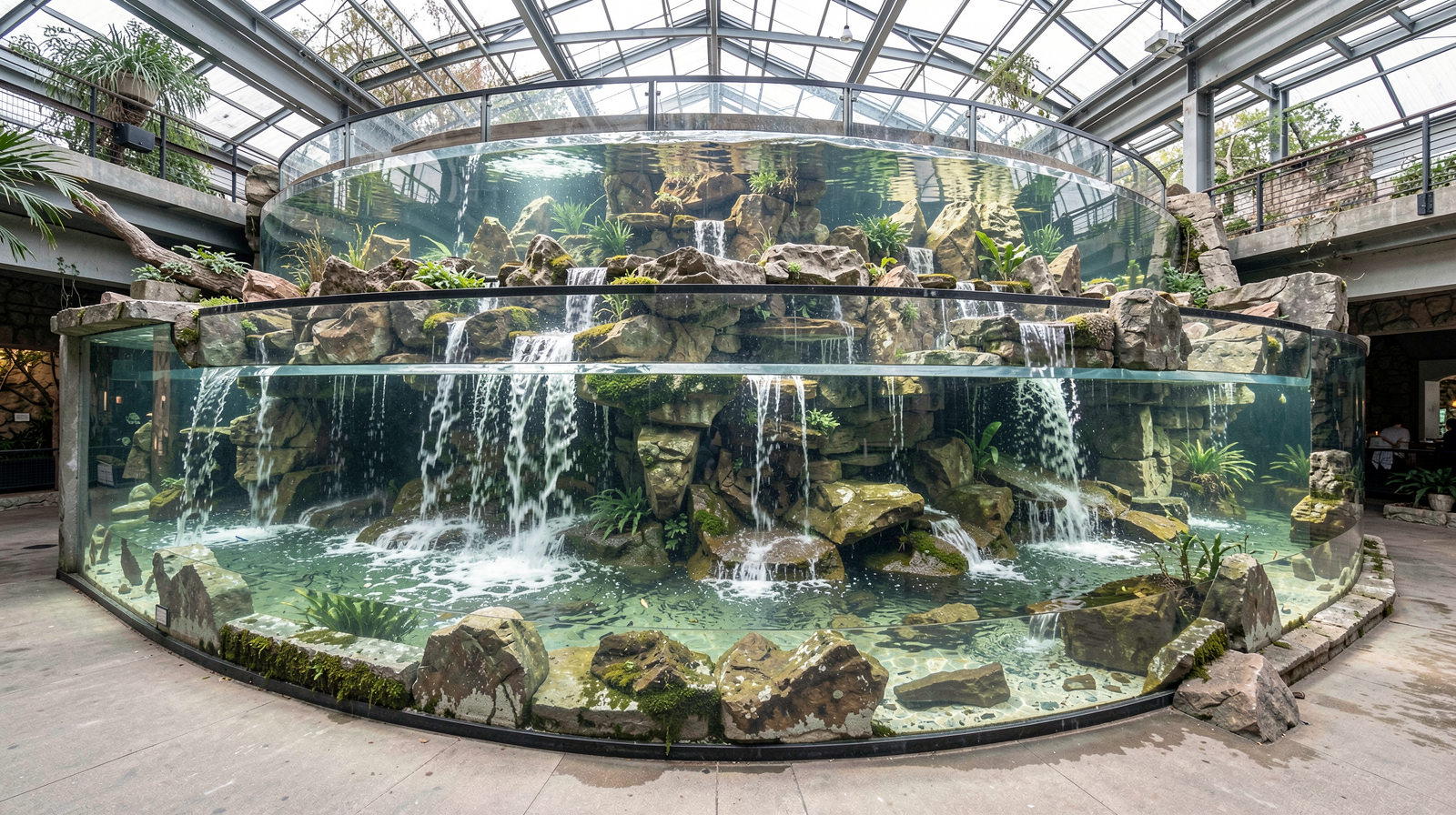
Figuring Out Pump Size: Beyond Just Looking at the Label
Written by Diamond Dave — November 5, 2026
A practical look at head height and friction loss so you don't buy a pump that quits halfway up your display.
The newsletter for folks building big tanks who want their water to actually move where it needs to go, not just spin in place.
Why Pump Ratings Lie to You (The Zero Lift Problem)
If you go out and buy a pump based solely on the “Gallons Per Hour” (GPH) number printed on the box, you’re probably going to end up with a tank that has barely any movement. Here is why: those numbers are almost always measured at zero lift. This means the manufacturer tested the pump by letting it push water horizontally across a flat surface with no obstacles in its way. In my own experience, I’ve seen people buy what they thought was a “high flow” pump for a large display, only to find out that as soon as the water had to go even a few inches up into a sump or over a rim, the flow dropped off like a cliff. For small desktop tanks, this might not matter much because the distance is negligible. But if you are building a larger freshwater setup or a saltwater system where you need consistent circulation, those “max” numbers on the box are essentially an ideal scenario that rarely exists in a real home aquarium.
What Head Height Really Means: Vertical Climb
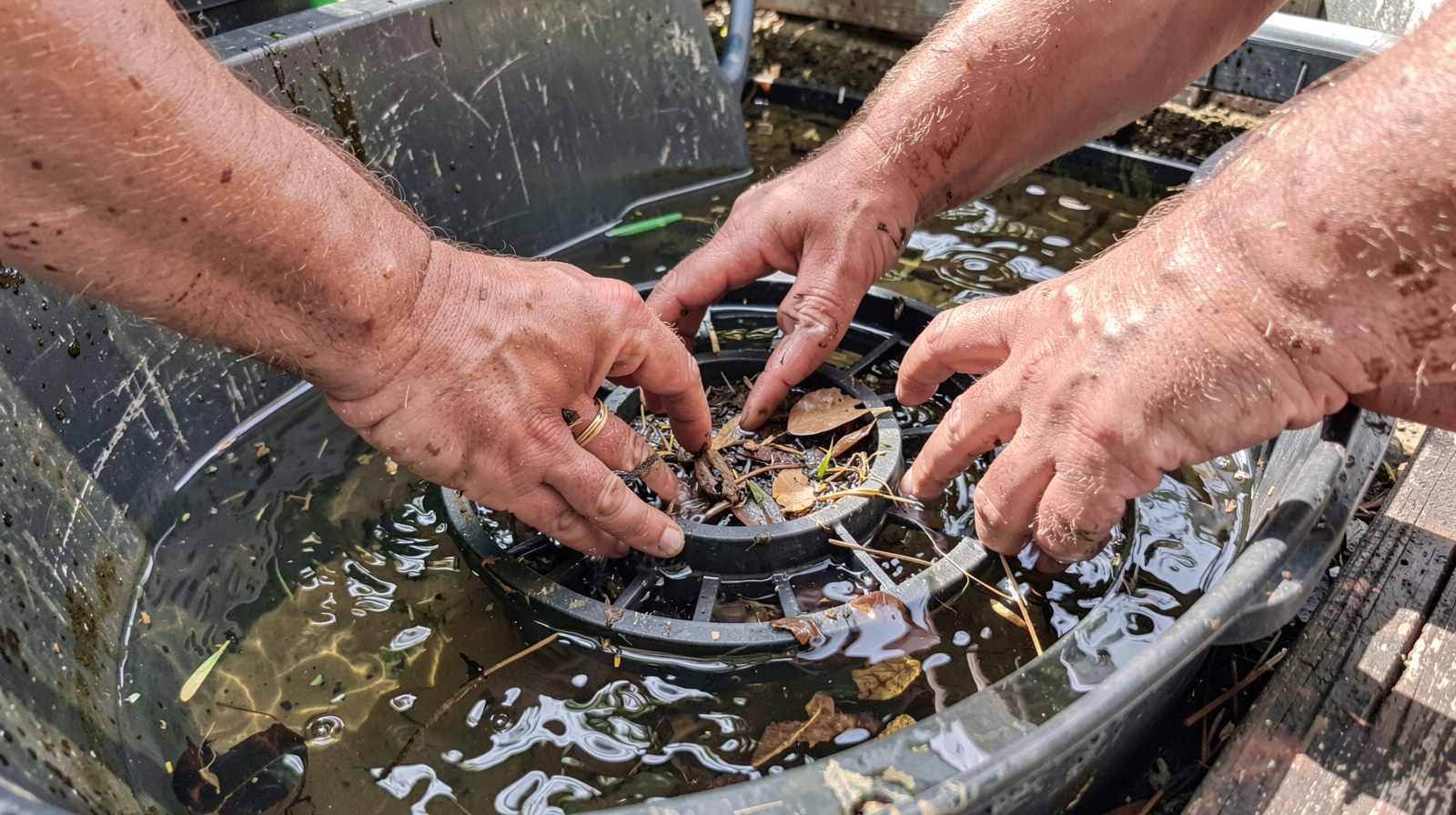
To get your pump to actually do its job, you have to understand head height. Think of it as the vertical distance water has to fight against gravity to reach its destination. If your sump is sitting on the floor and your display tank is three feet above it, that’s a 36-inch head height. The higher the pump has to push that water, the less volume it can move per hour. It’s a physics trade-off: as gravity works against the motor, the flow rate drops. I always tell people to measure from the lowest point of the pump’s output to the highest point in the plumbing line where you need the most pressure. If your water needs to climb a hill, you need to know exactly how high that hill is before you start shopping for hardware.
The Sneaky Culprit: Friction Loss Explained Simply

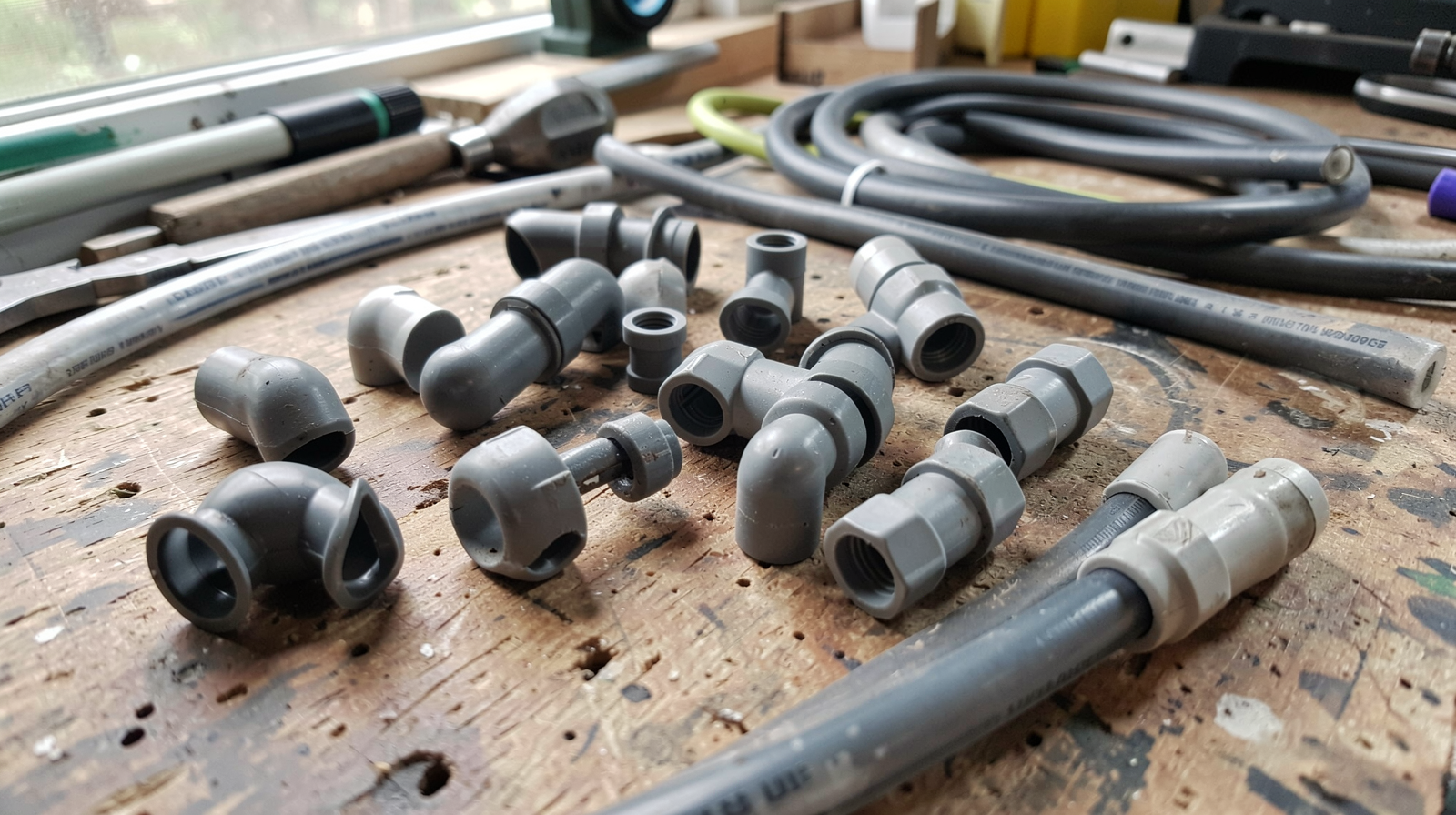
Even if your tank and sump are on the same level of the floor, you still have friction loss to worry about. Every time water has to turn a corner, squeeze through a narrow pipe, or pass through a filter, it loses energy. You can think of this like trying to run through a swimming pool—it’s harder than running on a track because the water pushes back against you. In your plumbing, every elbow joint and T-junction acts as a tiny speed bump. If you have a long run of PVC pipe with five different turns before it hits your return nozzle, that friction is “eating” some of the pump’s power. For big displays where you might be running several feet of plumbing, these small resistances add up quickly. You aren’t just fighting gravity; you’re fighting the internal resistance of the pipes themselves.
Putting It Together: A Simple Calculation Mindset
When I’m helping people figure out what they need for a large build, I tell them to stop looking at one number and start looking at the total demand. You want to calculate your “Total Dynamic Head.” This isn’t about complex engineering math; it’s just about being honest about your setup. To get a realistic idea of what you need, look at these three factors:
- Vertical Lift: How many feet does the water actually climb?
- Pipe Length & Diameter: Are you using long runs of narrow tubing? (Narrower = more friction).
- Turn Count: How many 90-degree elbows or valves are in the path?
A good rule of thumb is to identify your target flow rate—the amount of water you actually want moving through the tank per hour—and then pick a pump that can provide that specific volume at your measured head height. If you need 2,000 GPH at a 3-foot lift, don’t buy a pump that only does 2,000 GPH at zero lift.
When in Doubt, Go Bigger… But Not Too Big
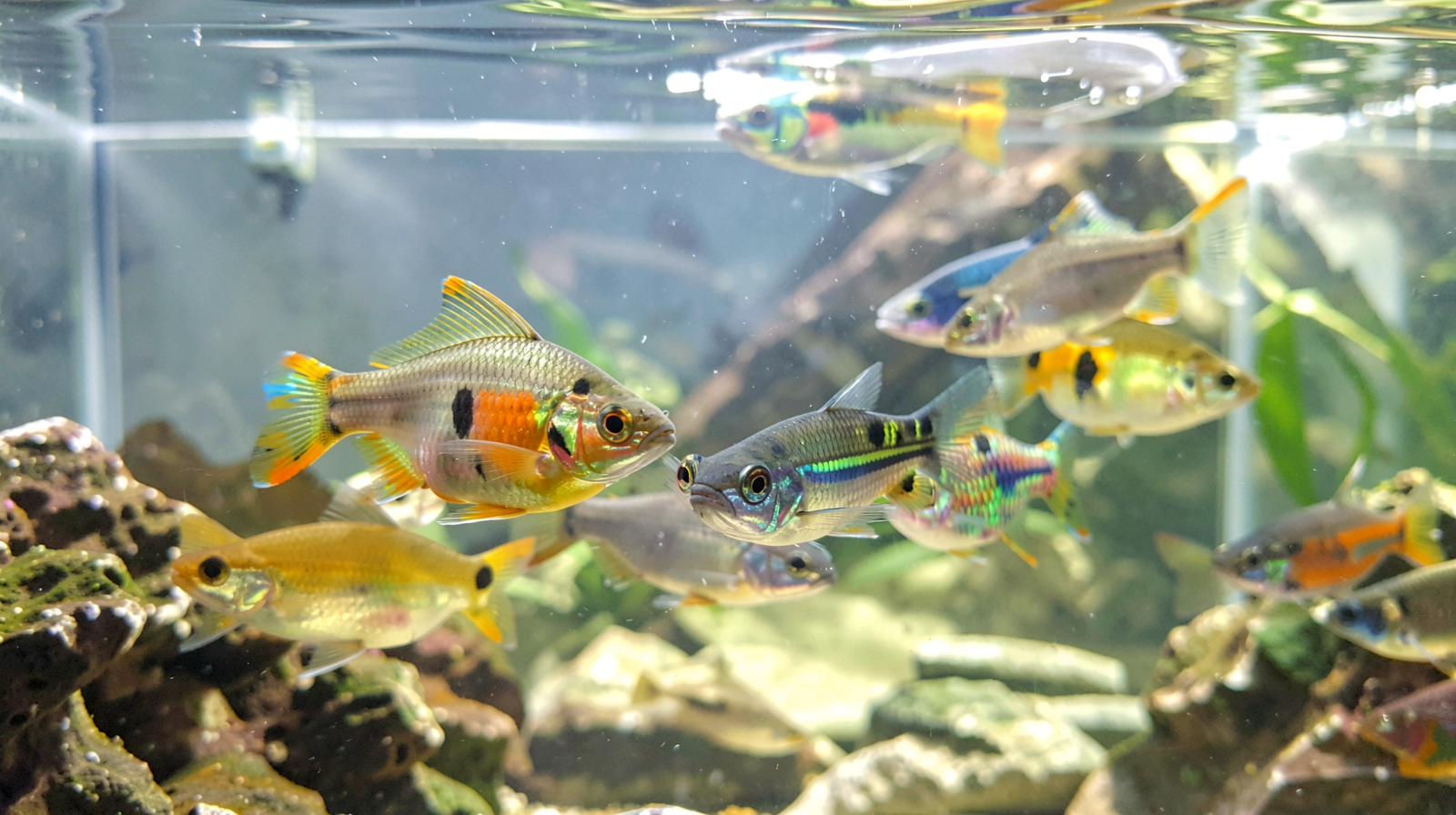
There is an old saying in the hobby: “Size up.” It’s usually safer to have a slightly more powerful motor than you need because it gives you some wiggle room for future upgrades or if your plumbing gets slightly clogged with debris over time. However, there is a point of diminishing returns where “bigger” becomes a problem. If you put a massive industrial-strength pump on a small display, you’ll end up with a “washing machine” effect. This creates excessive turbulence that can stress out fish and make it impossible for your plants to stay in place. It also wastes electricity and puts unnecessary wear on your plumbing components. The goal is the “Goldilocks” zone: enough power to overcome gravity and friction, but not so much that you’re creating a whirlpool. If you find yourself unsure, look for a pump with an adjustable flow controller so you can dial it back once the system is plumbed in.
Source: AquaticRig
Get new newsletter issues, guides, and product updates by email.