Don't Overcrowd: Smart Stocking for Your Reef Tank
Written by Diamond Dave — September 3, 2026
A practical guide to bioload management and finding compatible reef inhabitants in small spaces.
Before you buy a single fish: Thinking about the bioload
When I first started out with my own tanks, I used to think of stocking as simply picking which fish looked best next to each other. It is easy to look at an empty 20-gallon tank and see it as a blank canvas for any species you find online. However, in a reef environment, every fish you add contributes to what we call the “bioload.” This isn’t just about how much physical space a fish takes up; it is about the amount of waste—ammonia and nitrates—that your biological filter can process before the water becomes toxic.
Think of your tank as a small city with a limited waste management system. If you add too many residents at once, or choose species that produce high amounts of waste, the “city” gets overwhelmed. A stable reef depends on keeping these levels low and consistent. Instead of asking “How many fish can I fit?”, ask yourself how much work your current filtration and bacterial colony can handle while still keeping everything running smoothly for the long haul.
The compatibility checklist (Behavior over beauty)

In a small tank, behavior is often more important than color or size when it comes to making a selection. In my experience, the biggest issue with “pretty” fish in smaller systems is that they aren’t always peaceful. If you put two territorial fish in a 20-gallon tank, there isn’t enough room for them to establish separate territories without constantly bumping into each other. This leads to stress, nipping, and eventually, sick fish.
When I’m looking at potential additions for my own setups, I prioritize “peaceful” over “striking.” You want species that are content to share space and don’t have a high drive to chase others. A fish that spends its day trying to defend a piece of rock will eventually exhaust itself or cause trouble for its neighbors. For your first few reef residents, look for those with calm temperaments. It is much better to have several small, happy fish than one stunning specimen that spends all day being aggressive or stressed out by the limited space.
Building a sample roster: Safe fish for small spaces
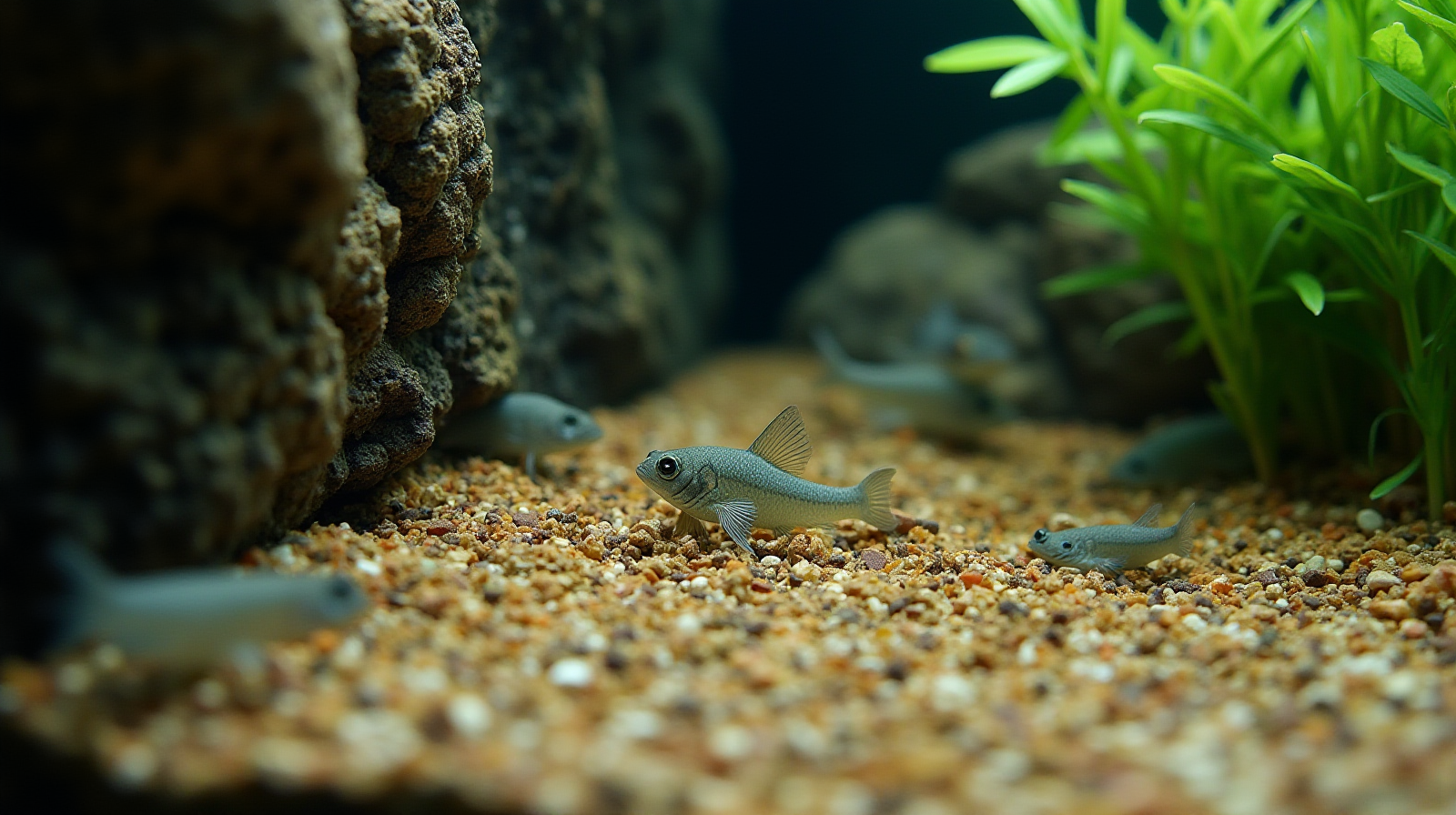
If you are working with 20 gallons or less, you want “low-maintenance” personalities—fish that are hardy and don’t mind the smaller footprint. These species generally adapt well to reef environments and won’t cause constant headaches regarding territory. I often suggest starting with a few of these types because they provide movement and variety without overtaxing your system’s stability.
| Fish Type | Typical Behavior | Why it works for small tanks |
|---|---|---|
| Gobies | Peaceful, bottom-dwelling | They stay in their own lane and are very hardy. |
| Blennies | Active, territorial (but manageable) | Good “personality” fish that don’t need massive space. |
| Firefish | Curious, peaceful | Easy to keep and adds a distinct silhouette to the tank. |
| Damsels (Small) | Bold, active | Can be high energy but are often okay in small reef setups if kept with compatible friends. |
These aren’t just “beginner” fish because they are easy; they are good choices because they fit the reality of your tank size and won’t cause immediate problems for you or them.
The biggest mistake beginners make (and how to avoid it)
The most common trap I see new reef keepers fall into is the “statement fish” trap. It’s tempting to want a large, recognizable fish—like a Tang or a large Butterfly_fish_—right away because they look impressive on social media. However, many of these species are simply too large and active for a 20-gallon system. When you put a high-energy, fast-growing fish in a small tank, it often ends up stunted, stressed, and less healthy than it would have been in a larger volume of water.
To avoid this, I recommend sticking to “small footprint” goals for your first year or two. If you want a specific large species, wait until you’ve moved up to a much larger system where that fish can roam freely. It is far more rewarding to watch five small gobies thrive and interact than it is to struggle with one large fish that is constantly stressed by its environment. Focus on the health of the livestock first; the “wow” factor will follow naturally as your tank becomes stable.
Making the plan stick: Filtration and planning tips
A good stocking plan only works if your hardware can support it over time. It’s a common misconception that you can just buy a massive filter to “fix” an overcrowded tank. While a larger filter provides more surface area for beneficial bacteria, it doesn’t change the fact that too much waste in a small volume of water will still eventually cause issues. Your filtration should be sized correctly for your intended bioload from day one.
When you do decide to add new fish, I recommend doing it slowly—one at a time, with a few weeks between each addition. This gives your biological filter time to adjust to the new waste levels. Also, remember that no matter how good your equipment is, regular water changes are non-negotiable in a reef system. Think of your filtration as the daily maintenance and your water changes as the deep cleaning. If you stay ahead of the plan by adding fish gradually and keeping up with your schedule, your tank will remain much more stable for everyone involved.
If you want to see some specific equipment that helps manage waste in smaller systems, check out our selection of 3D-printed flow deflectors and intake guards in the shop.
Source: Saltwater Aquarium Blog
Get new newsletter issues, guides, and product updates by email.