
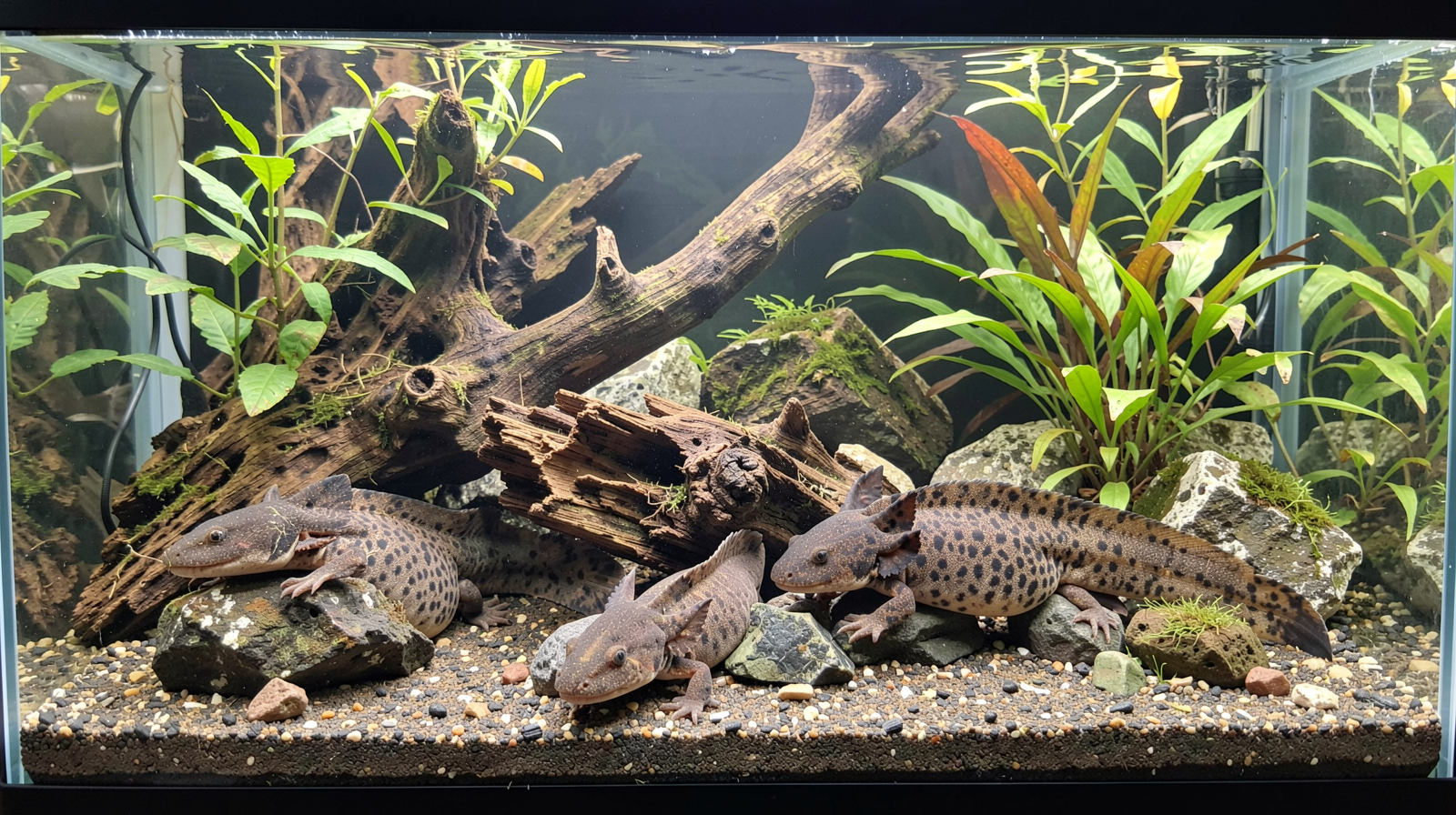
Calico Plecos: Standard vs. Longfin – Which One is Right for Your Tank?
Written by Diamond Dave — November 8, 2026
A look at the real differences between these cool catfish varieties and what that means for your setup.
The newsletter for intermediate freshwater keepers who want to buy a unique centerpiece fish without getting overwhelmed by breeder jargon.
Getting to Know These Guys: Why Plecos Are So Popular
If you’ve spent any time looking at aquarium forums or local fish stores, you know that plecos are some of the most popular catfish in the hobby. They have a rugged, prehistoric look and they’re generally hardy enough for folks who aren’t ready to manage a high-tech laboratory setup. However, I want to start by clearing up one big misconception: they aren’t “magic” algae eaters.
In my experience, people often buy a pleco thinking it will act like a vacuum cleaner and keep the glass sparkling. While they do graze on some algae, they are primarily bottom-dwelling scavengers that need a consistent diet of sinking pellets or wafers. If you expect them to solve all your nitrate problems by just sitting in the tank, you’re going to be disappointed. They’re cool, unique creatures, but they require their own specific needs and space to thrive. They aren’t “set it and forget it” fish; they are active residents that need a bit of planning before they move into your home.
Standard vs. Longfin: What’s Actually Different?
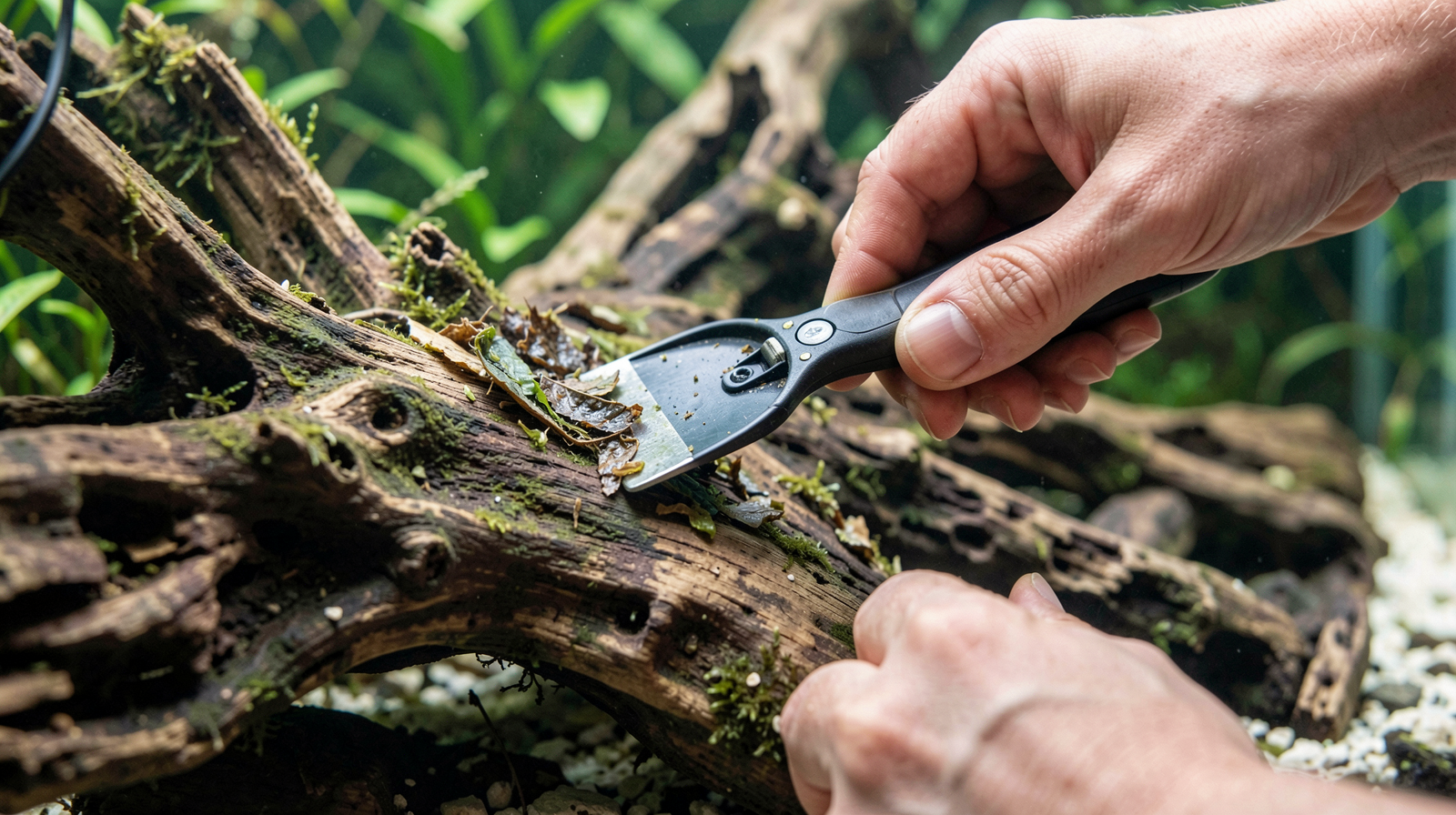
When you go to the store, you’ll see two main versions of these catfish: the standard Calico Bristlenose and the longfin variety. Physically, the difference is obvious—the longfins have those flowing, trailing fins that look great in photos. But for a home owner, it’s more than just looks; it changes how they move through your tank.
Standard plecos are compact and sturdy. They tend to be slightly more “low-maintenance” in terms of physical upkeep because their fins don’t snag as easily on decorations or driftwood. Longfins, on the other hand, have much more delicate anatomy. Because those fins are so long, they can get caught in heavy current zones or tangled up in dense thickets of plants and rocks. If you have a tank with lots of tight corners and “nooks,” a standard pleco might be a better fit because it won’t tear its fins on the scenery.
| Feature | Standard Calico | Longfin Calico |
|---|---|---|
| Movement | Compact, agile in tight spaces | Slower, more graceful swimming |
| Fin Durability | High; less prone to tearing | Delicate; needs “open” swimming space |
| Visual Appeal | Rugged, classic look | Elegant, flowing aesthetic |
| Best For | Tanks with lots of decor/driftwood | Tanks with wide-open swimming areas |
Tank Placement Matters More Than You Think
One mistake I see a lot is people putting a pleco in a small corner because they think the fish only lives at the bottom. While it’s true they spend most of their time on the substrate, they still need room to roam and “patrol” their territory. A pleco that feels cramped will often become stressed or start trying to find ways out of the tank.
Because these guys are nocturnal—meaning they do their heaviest grazing and moving when the lights go down—you need to make sure your layout accounts for them being active at night. This means having enough clear floor space so they aren’t constantly bumping into things in the dark. I also recommend a substrate that isn’t too sharp; you want something they can move over comfortably without irritating their underbellies. If your tank is mostly filled with tall plants and heavy rocks, make sure there is still a “highway” of open floor space for them to navigate from one side to the other.
Feeding Habits: What They Actually Want to Eat
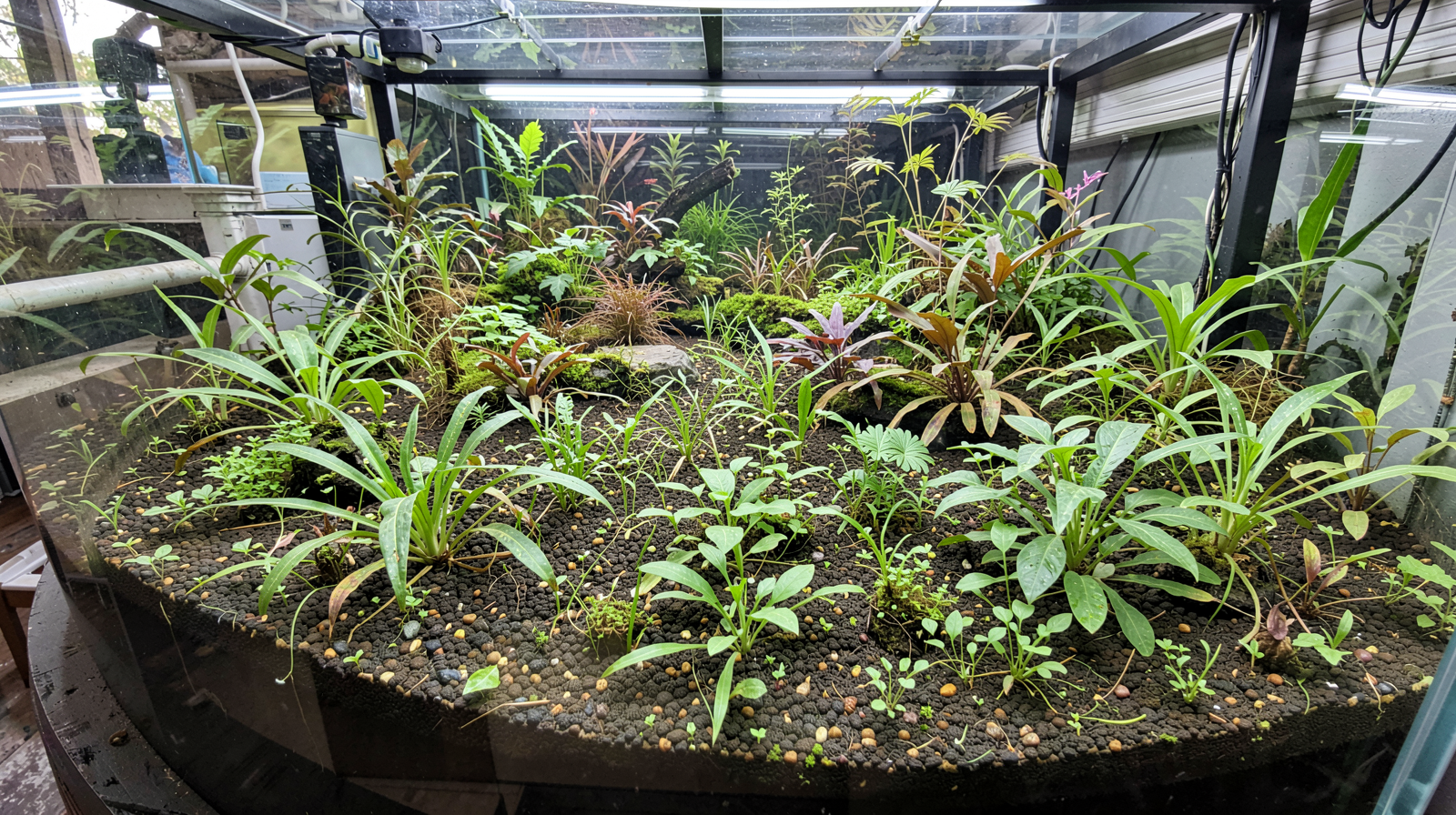
If you only feed your pleco algae, they will eventually get malnourished. In my tanks, I’ve found that variety is key to keeping them healthy and active. While they will snack on some biofilm and soft algae, their primary diet should consist of sinking wafers or pellets designed for bottom feeders. These provide the protein and minerals they need to maintain those thick scales and vibrant colors.
You don’t have to go overboard with expensive “premium” brands every single day, but a basic high-quality sinking wafer is a must. I also like to toss in some occasional treats—things like blanched vegetables (like zucchini or cucumber) or small amounts of shrimp feed. This keeps them engaged and mimics what they would find in the wild. Just remember that because they are bottom feeders, you want to make sure the food actually hits the floor and doesn’t just float away or get stuck in your decorations where it will rot.
Keeping Them Happy in a Community Tank
Adding a pleco to a community tank is usually a good move, but there are some trade-offs to consider regarding their neighbors. Plecos can be bit of “room hogs” because they occupy the bottom level, which might be the primary territory for smaller bottom dwellers like Corydoras or loaches. To keep everyone happy, you want to ensure there is enough surface area and hiding spots so that every fish has its own “zone.”
I’ve found that they generally get along well with most peaceful community fish as long as there isn’t a fight over food. Since plecos are often slower eaters than some smaller species, it helps to provide multiple feeding stations or toss the food in different areas of the tank so everyone gets a share. Also, keep an eye on your more delicate-finned fish; if you have both longfin varieties and small tetras, just make sure the flow isn’t so heavy that it stresses out the smaller guys while the pleco is just chilling on a log. Balance is everything in a shared home.
Source: Aquatic Arts
Get new newsletter issues, guides, and product updates by email.