
Bearded Fireworms: What are they and how do I get rid of them?
Written by Diamond Dave — September 5, 2026
A practical guide for spotting these coral pests before they take over your reef tank.
First off: Are these really fireworms?
When you first hear the term “bearded fireworm,” it sounds like something out of an action movie or a high-intensity marine biology textbook. It’s easy to think they are some kind of aggressive, venomous threat that will take over your tank in a single afternoon. In reality, these organisms—scientifically known as Hermodice carunculata—are just common reef worms. They aren’t actually “fire” worms in any literal sense; the name is simply what we use to describe their appearance and behavior in the hobby.
They are very common hitchhikers. You can find them on rocks, tucked into coral structures, or arriving with new shipments of livestock. While they won’t jump out of the water or attack your hands, they can be a real nuisance if you let them settle in. They aren’t an exotic mystery; they’re just one of those common pests that occasionally shows up and requires some basic management to keep things running smoothly.
How bad is it? What do they actually eat and why should I care?
The reason we pay attention to these worms isn’t because they are dangerous to you or your fish, but because they can be quite persistent when it comes to feeding on the wrong things. Bearded fireworms aren’t picky eaters; they tend to feed on the tissue of corals and other soft organisms like anemones or sea stars.
If you have a high-value piece of coral—maybe something you’ve been growing for months or a specific variety that is hard to come by—a colony of these worms can slowly nibble away at the living tissue until only the skeleton remains. It isn’t usually an overnight disaster where your whole tank dies off, but it can be incredibly frustrating to watch a healthy coral start to look “ragged” or develop small white spots from constant grazing. They are opportunistic eaters; they aren’t trying to destroy your reef, they’re just looking for something easy to eat in their immediate vicinity.
Spotting the pests: Quick tips for identification
Identifying them early is half the battle. These worms aren’t always out in the open like a fish swimming around; they are masters of hiding in crevices and under rock piles where water flow might be lower. You usually only notice them when you do a close inspection of your hardscape or look closely at a coral that seems to be struggling.
Look for these specific characteristics:
- The “Beard”: They have small, hair-like bristles along the sides of their bodies. This is what gives them their name and makes them easier to spot against the rock if you know what to look for.
- Movement: When they move, it can look like a slight ripple or a slow wiggle rather than a quick darting motion.
- Location: They are most commonly found in “dead zones”—areas of your tank where detritus (waste) settles because the water isn’t moving enough to carry it away.
The removal process: What actually works?

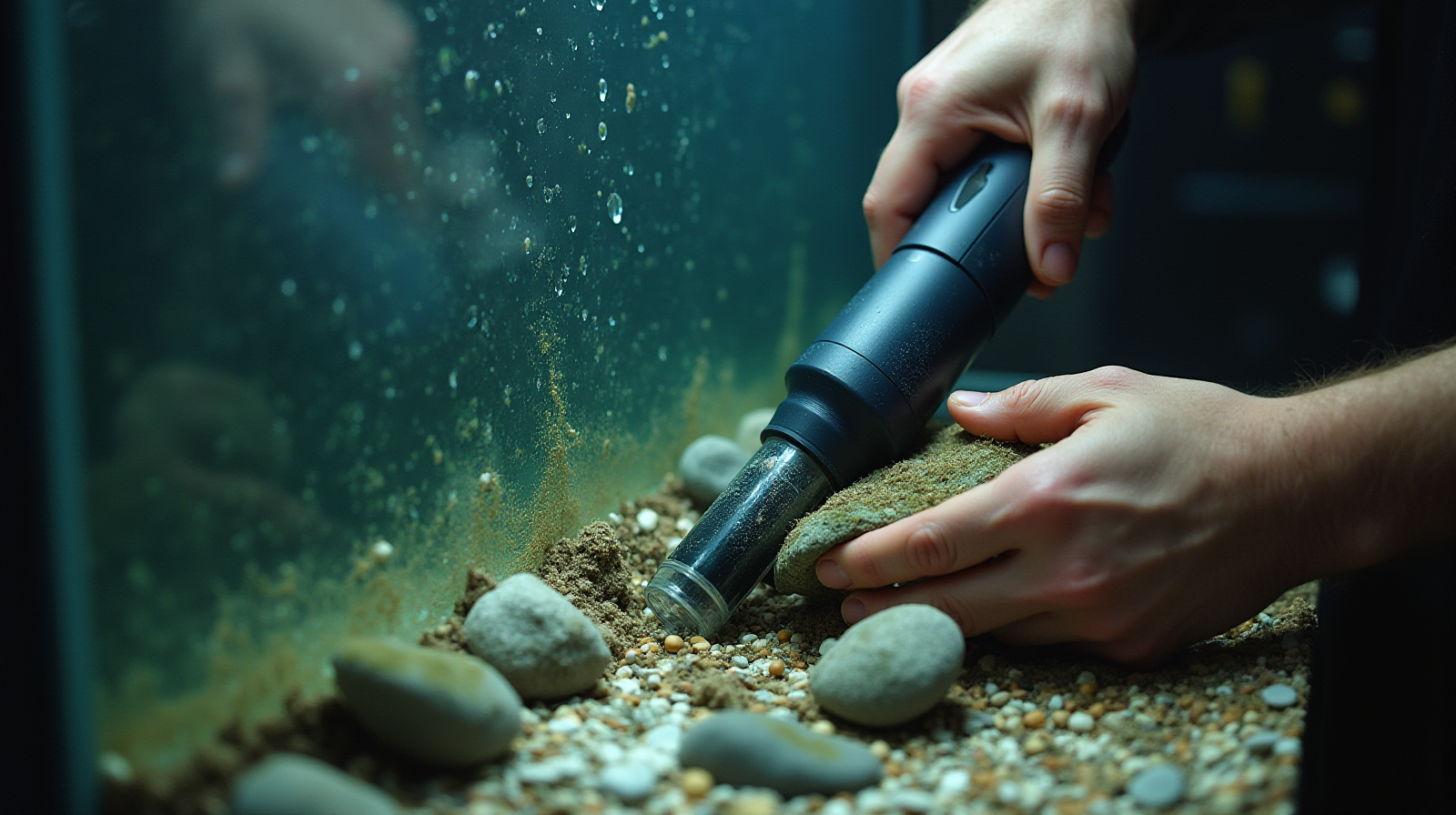
There is no magic pill or special chemical treatment that will instantly make these worms vanish from your reef. Because they are so good at hiding, “curing” an infestation usually involves a mix of manual effort and consistent maintenance. If you find a concentrated cluster in one area, the most direct way to handle it is physical removal. You can use a turkey baster or simply pick them out when you’re doing your routine tank cleaning.
If they are widespread, you have to change the environment to make it less appealing for them. This often means increasing water circulation in areas where they like to hide. Many of these pests prefer stiller water; if you crank up the flow and clear out any organic buildup, they will often move on or die off because their food source (detritus) is no longer accumulating. It takes some patience to hunt them down manually, but being consistent with your cleaning routine is much more effective than trying a one-time “fix.”
Keeping the peace: Preventing a repeat infestation
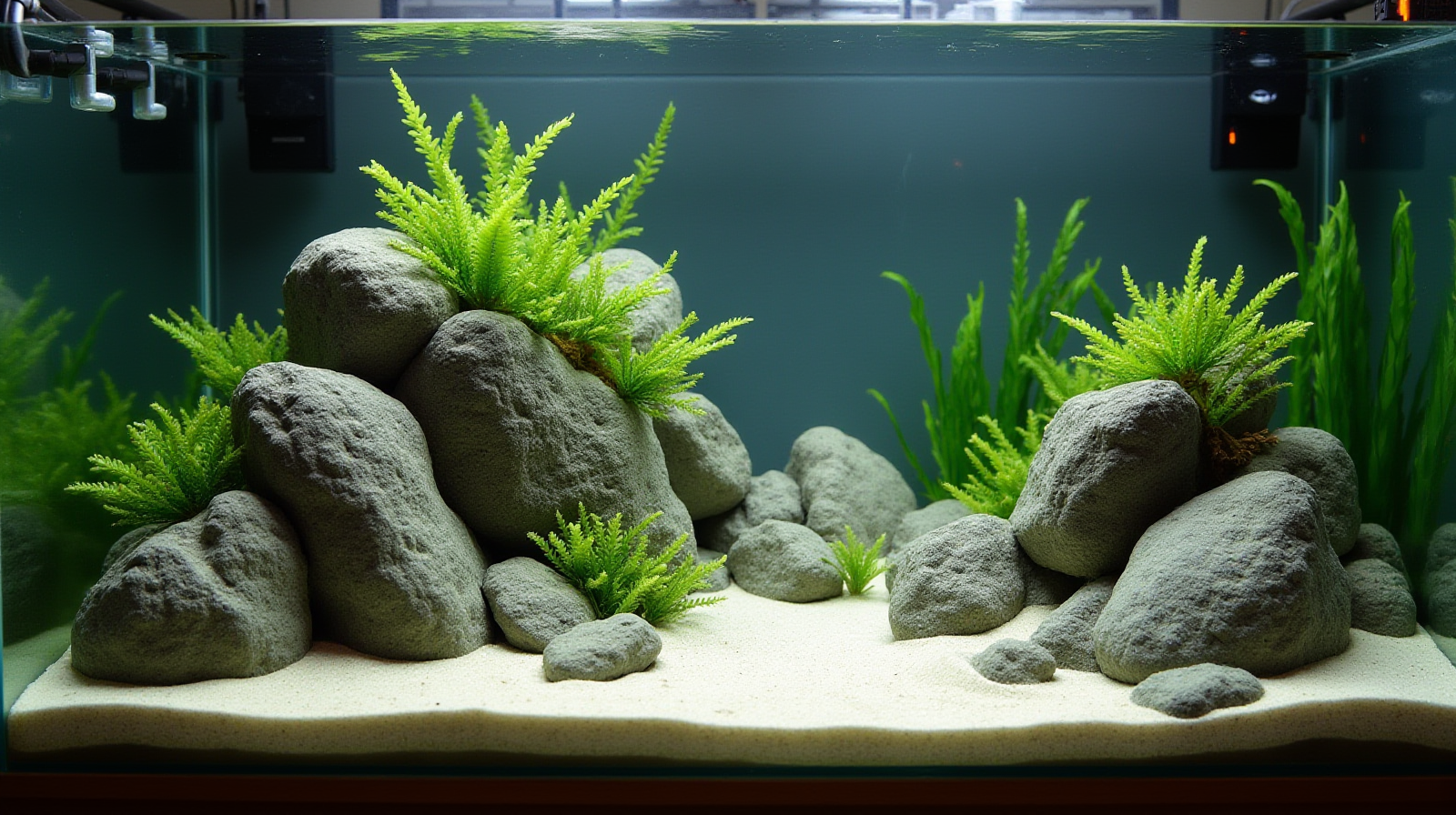
The best way to keep these worms from becoming a recurring problem is to make your tank as inhospitable to them as possible. They thrive in environments where waste and organic matter linger. A clean reef is a hard place for a fireworm colony to establish itself.
Focus on these three areas to keep the peace:
- Water Flow: Ensure you don’t have “dead spots” behind large rocks or under heavy coral clusters where debris can settle. Good circulation keeps waste moving toward your filter.
- Regular Maintenance: Keep up with your weekly and monthly cleaning routines. Removing detritus from the rocks ensures there isn’t a constant food source for worms to move into.
- Healthy Organisms: Healthy, unstressed corals have much better defenses against occasional nibbles than stressed ones do.
By keeping the tank clean and the water moving properly, you make it much harder for these pests to find a comfortable home in your reef.
Source: Reefs.com
Get new newsletter issues, guides, and product updates by email.