
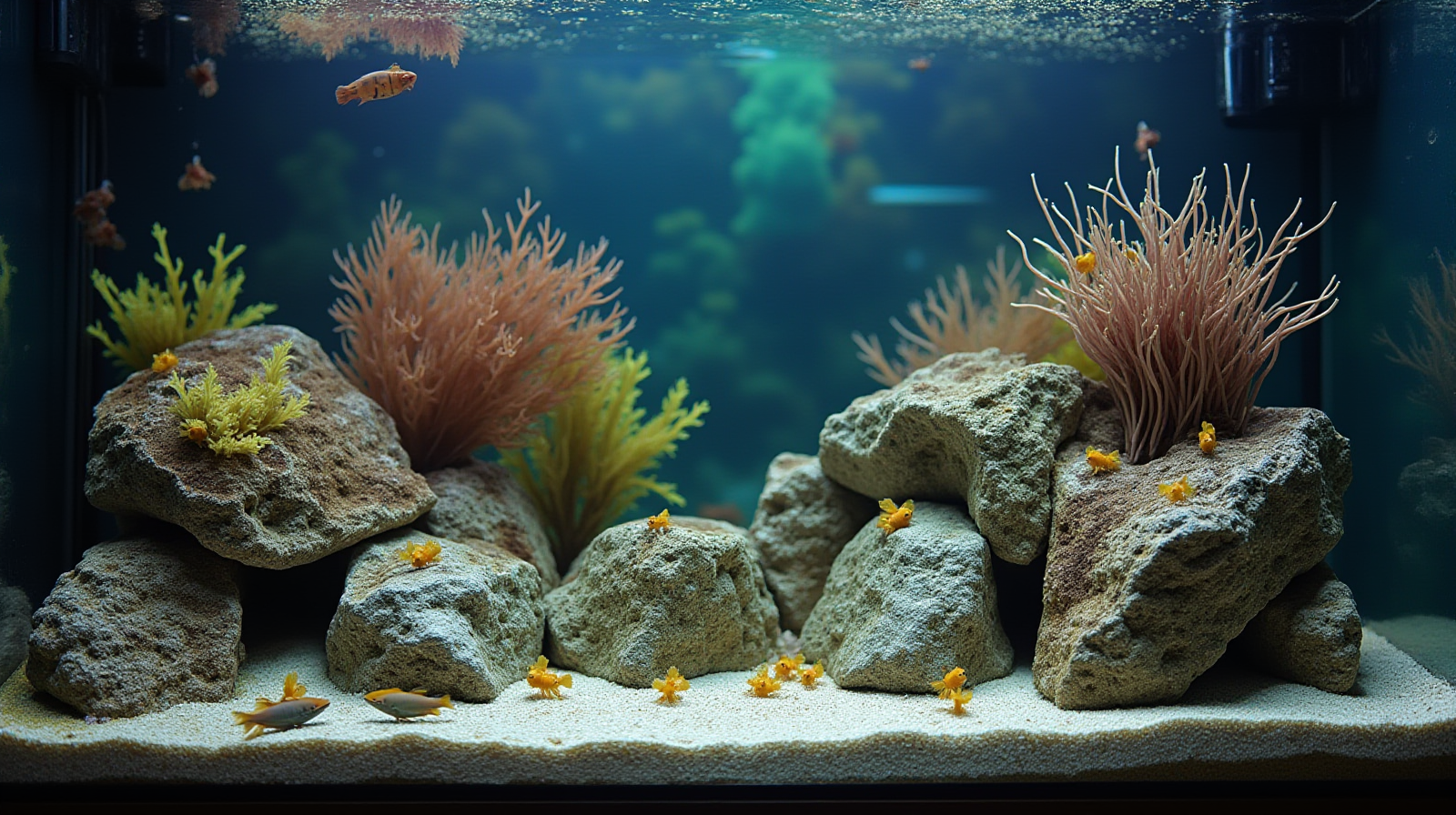
Algae Control: Picking the Right Fish for Your Tank
Written by Diamond Dave — September 2, 2026
A guide to matching specific algae types and tank setups with compatible grazers.
First, let’s figure out what kind of algae we’re dealing with.
Before you go out and buy a school of fish to clean up your tank, it helps to identify exactly what is growing on your rocks or glass. Not all algae are the same, and different fish have very specific preferences for what they choose to eat. For example, if you see a brownish-green slime that feels a bit slippery or looks like dust settling on everything, those are likely diatoms. These usually show up in newer tanks as nutrients settle out of the water. Then there is hair algae, which grows in long, stringy strands. This can be frustrating to pull out by hand, but it’s quite different from the “spot” algae that looks like small green dots on your hardscape. If you don’t know what you are fighting, you might end up with a fish that ignores the problem entirely because it simply isn’t on their menu. Identifying the specific type of growth helps you pick the right tool for the job instead of guessing and hoping something works out eventually.
The grazer guide: which fish eat what?
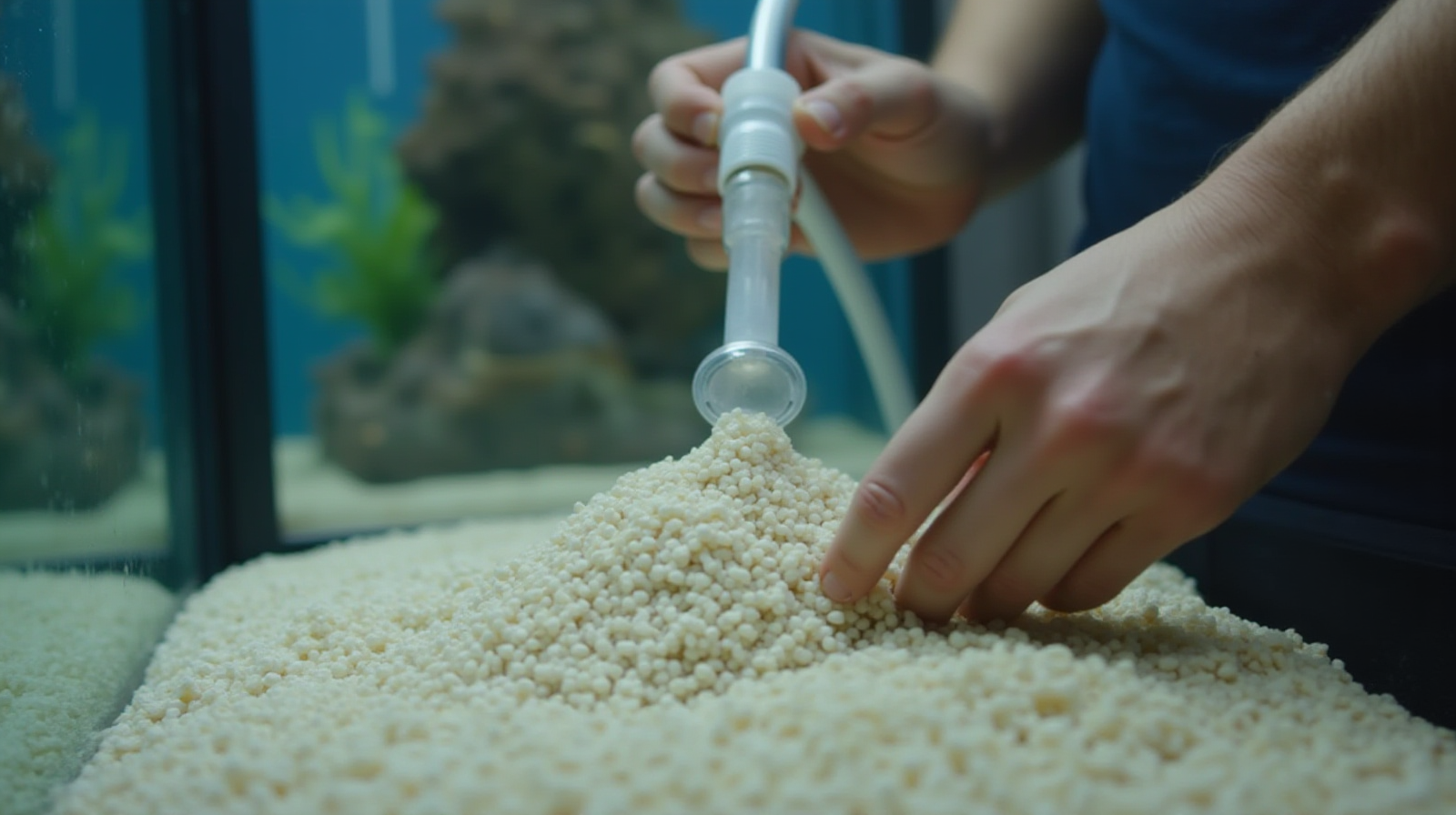
Once you know what kind of algae is taking over, you can look at which species are known for targeting those specific types. Different body shapes and behaviors make certain fish better suited for different parts of your aquarium layout. For instance, some fish are great at picking through crevices in rocks, while others prefer to roam the bottom of the tank searching for film on the substrate.
| Fish Group | Primary Targets | Typical Behavior/Location |
|---|---|---|
| Blennies | Hair algae and thick films | Active swimmers that frequent rockwork |
| Gobies | Bottom-dwelling biofilms | Stay close to the gravel or sand |
| Cichlids (selected) | Large clumps of macroalgae | Bold, active foragers in larger tanks |
Selecting a fish based on its natural behavior ensures it spends its time where the problem is located. A bottom-dweller won’t help much with algae growing on your upper decorations or high-reaching plants. By matching the fish’s habits to your specific tank layout, you create a more effective cleaning routine without making the fish work harder than they naturally would in their own habitat.
Size matters—and compatibility does.
One of the biggest mistakes I see folks make is choosing a large, aggressive fish just because it has “good” grazing abilities. Just because a larger species like certain cichlids can clear out heavy amounts of algae doesn’t mean they are right for your specific setup. If you have a peaceful community tank with small tetras or danios, adding a large, territorial grazer can cause a lot of stress and potentially lead to some fish being bullied or chased away from their favorite hiding spots. You also have to consider the physical size of your tank. A high-energy swimmer needs enough swimming room; if they are confined in a space that is too small for them, they may become more aggressive or exhibit signs of stress regardless of how well they eat algae. It is always better to choose a smaller, peaceful grazer that fits into your existing community and won’t disrupt the balance you have already established with your other livestock.
When fish aren’t enough: a quick reality check.
I want to be clear about one thing before you head to the store: adding fish is rarely a magic fix for an algae problem. Fish are like janitors; they can keep the place tidy, but they won’t change the underlying conditions that caused the mess in the first place. If your tank has an explosion of hair algae or excessive green film, it usually points toward issues with nutrient levels—specifically nitrates and phosphates—or perhaps a light cycle that is staying on for too many hours a day. A fish might keep the growth to a minimum, but they won’t “cure” a chemical imbalance in your water. You still need to manage your feeding habits so you aren’t overfeeding, and you should consider manual removal of large clumps occasionally. Think of fish as one part of a multi-layered approach. They are great for maintenance, but your chemistry, lighting, and consistent water changes remain the foundation of a clean tank.
Source: Saltwater Aquarium Blog
Get new newsletter issues, guides, and product updates by email.